
Can Mold Grow On Microcement?
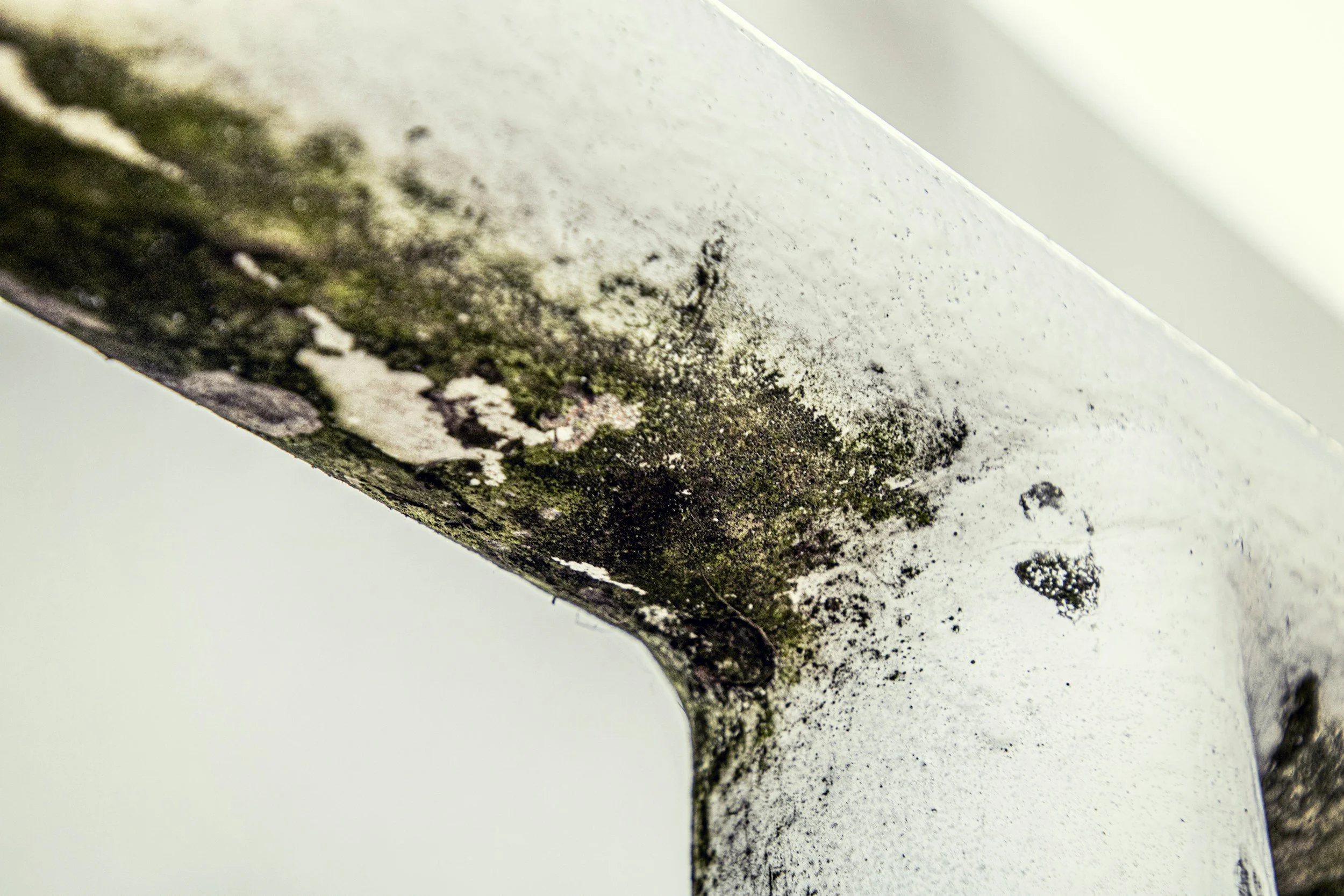
Understandably, mold is a common concern when choosing architectural finishes for bathrooms, showers and other wet areas. So, can mold grow on microcement?
A properly installed and sealed microcement surface is mold-resistant. Its seamless finish also eliminates grout lines, therefore reducing the chances of mold growth.
However, no surface finish should simply be considered 100% "mold-proof." Mold is primarily a moisture-management issue. Persistent dampness due to inadequate ventilation or leaks can create conditions for mold growth regardless of the finish you've selected.
This is why, when you're considering microcement for bathrooms or wet areas, it's important to look beyond the visible surface. Here are the key factors that help microcement resist mold and other forms of damage in wet areas.
Waterproofing Membranes
Not all products marketed as microcement are the same, so waterproofing claims should always relate to the specific system being specified.
X-Bond Microcement is a waterproof surfacing system. A liquid waterproofing membrane is installed beneath the microcement layers, preventing water from penetrating through to the substrate and surrounding construction.
This reduces the risk of persistent, trapped moisture behind the finished surface, which is crucial for mold prevention in your microcement bathroom or shower.
Read more in our guide to microcement waterproofing.

Liquid Membrane application to shower.
Protective Sealers
If waterproofing protects the system from beneath, a sealer helps protect the finished microcement surface from above.
A sealer creates a non-porous barrier over the microcement that resists staining and everyday wear. It prevents water, soap, cosmetics and other products from penetrating into the finish. It also enables it to be easily cleaned as part of normal bathroom maintenance.
Like other sealed architectural surfaces, following the recommended cleaning and maintenance requirements helps preserve the finish and its protective qualities over time.
Learn more about how sealers prevent microcement staining.
A Grout-Free Finish
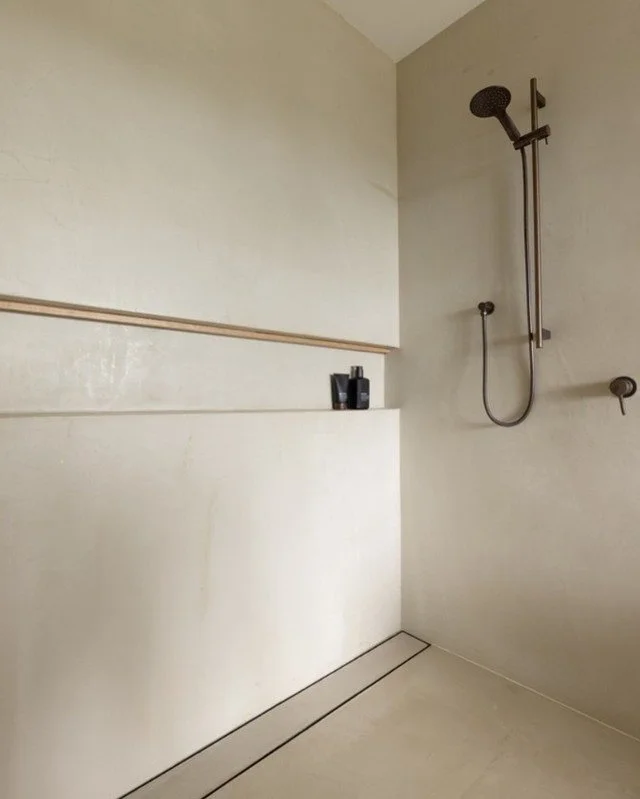
Another advantage of microcement in wet areas is its seamlessness.
A conventional tiled bathroom can contain hundreds of individual grout lines. These joints become areas where moisture collects over time.
Applied with a trowel in continuous layers, X-Bond creates seamless surfaces without joins, making it easier to keep the surface clean while reducing the areas where mold can grow.
This is particularly beneficial in showers, where grout can require regular scrubbing to prevent discoloration and mold growth. Microcement showers are a great bathroom upgrade if you’re sick of your old tiles — and the best part is, microcement can be applied over the old tile with no demolition required.
Read More: Signs You Should Resurface Your Tiles

Ventilation Matters
Even the right surface system can't compensate for a bathroom with an ongoing moisture problem.
Mold can grow on accumulated organic material or in other parts of a room when there is persistent moisture, which is why ventilation remains important.
Bathrooms should be designed to allow wet surfaces to dry properly between uses. Exhaust fans, windows and effective ventilation all help manage humidity and prevent moisture from lingering in the space. Plumbing should also be properly installed and maintained to prevent leaks or hidden moisture from developing behind finished surfaces.
If you're resurfacing an existing bathroom and there are already signs of mold or water damage, the source of the problem should be identified and resolved before X-Bond is applied.
Microcement should never be used simply to cover an existing moisture issue. We provide more insights in our guide to preparing substrates for microcement.

So, can mold grow on microcement?
As the above outlines, a correctly installed and maintained X-Bond Microcement system is designed to resist mold growth with the help of:
Proper waterproofing
A protective sealer
Seamless application with no joints
Appropriate ventilation, cleaning and maintenance
Together, these elements make X-Bond a practical seamless surface option for bathrooms, showers, pools and other wet environments.