
Waterproofing Microcement: Complete Guide (2026)
Waterproofing is a critical part of surface installations in wet areas, from bathrooms to outdoor spaces. It’s true that microcement is a seamless, water-resistant finish — but without the correct waterproofing system underneath, it can fail over time.
This guide explains how waterproofing works with microcement, the systems we recommend to use, and how to ensure long-term durability.

Interested in microcement? We have a complete microcement guide here .
Is Microcement Waterproof?
The short answer is that yes, microcement can be a waterproof finish. Not every brand offers a waterproof microcement, but the SEMCO X-Bond Microcement system is commonly applied in wet areas including:
bathroom floors, walls and joinery
showers
kitchen joinery and backsplashes
balconies and flat rooftops
all other outdoor surfaces
However, any material installed in a wet environment requires waterproofing and/or sealing — whether it’s tiles, stone or microcement.
Achieving a durable, waterproof microcement finish requires:
correct substrate preparation
waterproof membrane application
a high-performance sealer to finish
Without these three things, your microcement surface could be subjected to issues like delamination, mould growth and even structural damage in wet areas.
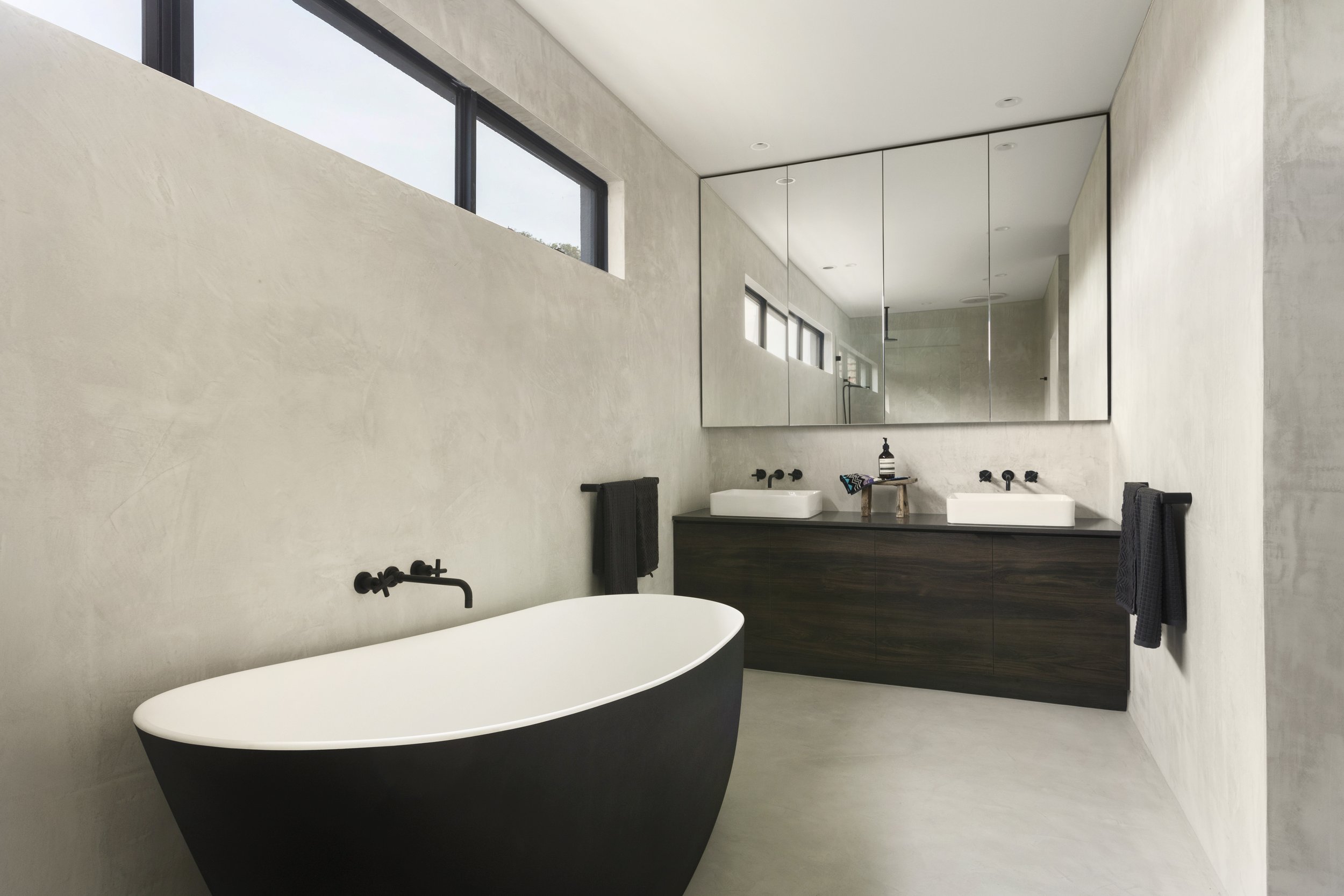
You should read our Microcement Bathroom Guide next if you’re looking for contemporary yet practical bathroom finishes.
Recommended Waterproofing Systems for Microcement: Liquid Membranes
Liquid membranes are the most effective solution for microcement systems, for three key reasons:
They create a seamless barrier with no weak points or seams.
They’re extremely easy to apply with a roller or brush, in just 2-3 quick-drying coats.
They bond directly to existing substrates, so if you’re resurfacing old tiles they’ll ensure your waterproof barrier is durable and adhesive.
We developed SEMCO Liquid Membrane™ specifically for waterproofing microcement. Not only is it an advanced waterproofing formula, but it has the added innovation of anti-fracture protection (with 1300% elongation!), stabilising and reducing the risk of cracking in your microcement overlay.
If you’re a surfacing contractor, you need to read up on Liquid Membrane™.

How Waterproofing Works with Microcement
We have a detailed microcement installation guide but here’s an overview of the process.
Substrate preparation: Repair, level and/or stabilise the surface if needed. Note that you can fill fractures up to 1/16 inch with SEMCO Liquid Membrane. Clean the substrate thoroughly prior to membrane application.
Liquid waterproof membrane: Applied in two seamless coats with a roller or brush.
Reinforcement (if required): In some areas, such as joints between two walls, reinforcement fabric is applied with the membrane for extra protection.
Microcement layers (X-Bond system)
Sealer/topcoat: Adds stain and water resistance — we offer multiple sealer options depending on application.
For tile resurfacing in wet areas, there’s more you need to know. Here’s our guide to resurfacing tiles with microcement.
X-Bond Microcement Wet Area Project Gallery
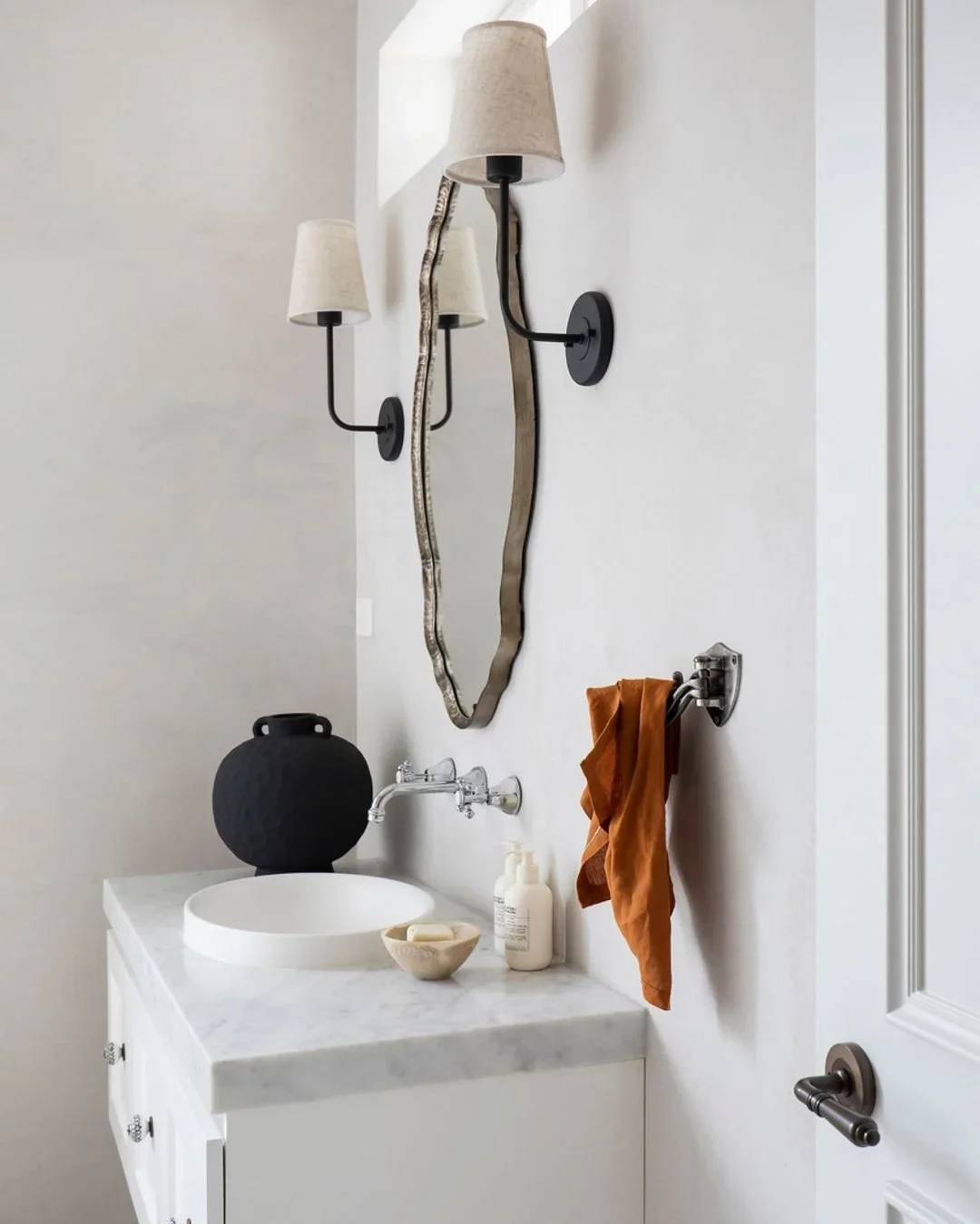
X-Bond microcement is specifically designed for high-performance wet areas, delivering a fully waterproof, seamless surface without the need for grout lines. Its versatility allows it to be applied to walls, floors, niches, vanities, and even ceilings — creating a cohesive, architectural finish that feels both refined and durable.
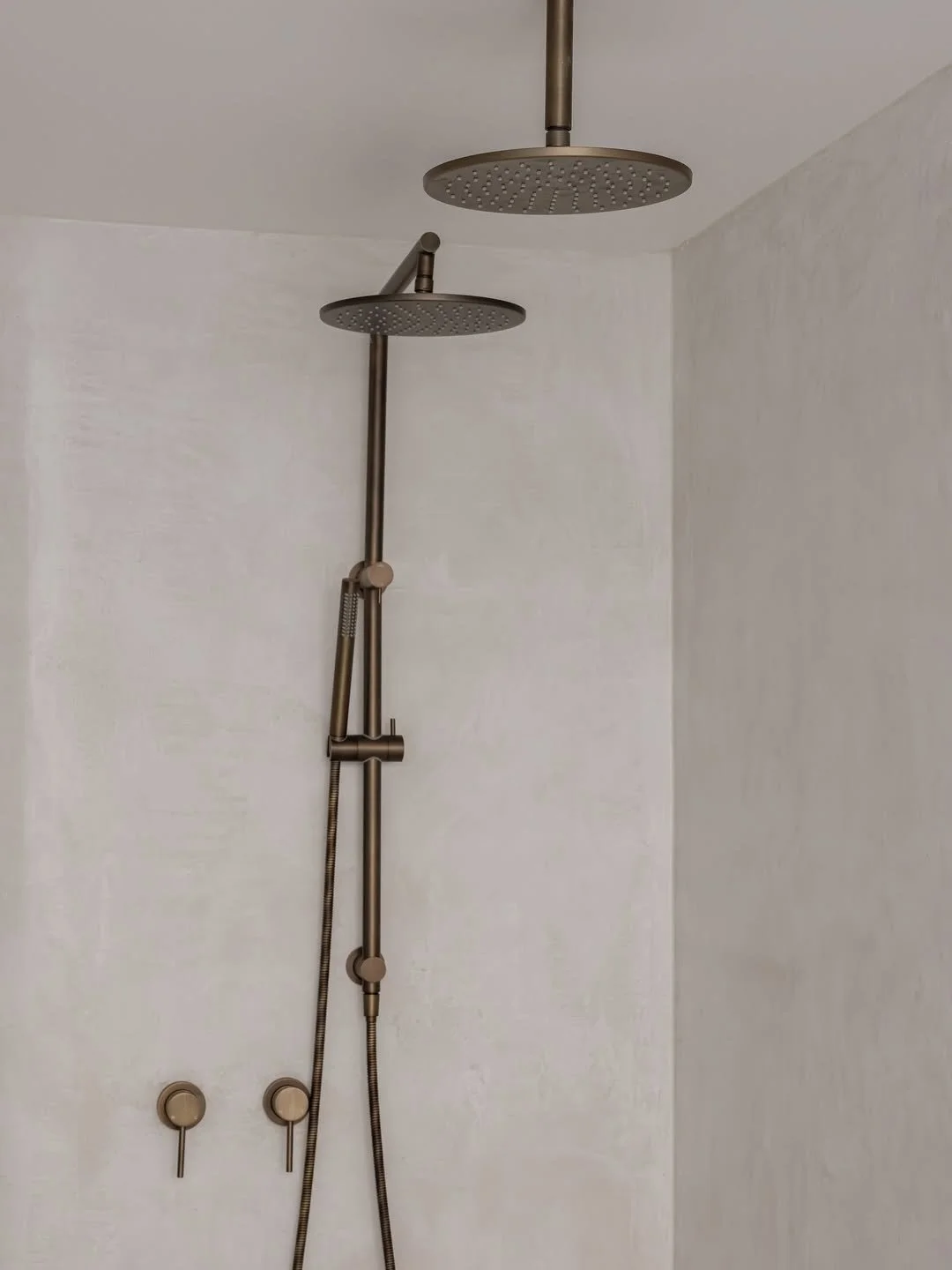
In the projects below, you’ll see how X-Bond is installed across a range of wet areas, each showcasing different tones and applications.
One of the most common projects is microcement showers. Traditionally, showers have always been finished in stone or tiles. But seamless, textural beauty makes microcement showers a modern bathroom upgrade that US contractors, home owners and designers are leaning into in 2026.


Microcement vs Tiles: A Comparison of Two Common Wet Area Finishes
Microcement reduces weak points and can be a much lower maintenance finish with less failure risks; but only when properly waterproofed and when you choose the right product.
Below is a quick summary of the differences, but here’s everything you need to know before choosing microcement vs. tiles.
| Feature | Microcement | Tiles |
|---|---|---|
| Joints | Seamless | Grouted |
| Waterproofing | Requires membrane + sealer | Membrane + grout |
| Maintenance | Low | Grout maintenance |
| Failure risk | System-dependent | Grout failure common |
Before You Go: Avoid These Common Waterproofing Mistakes
Skipping the liquid membrane layer — your finish will fail.
Using rigid waterproofing under flexible systems
Poor surface preparation
Inadequate sealing
DIY installations without following supplier guidelines