
5 Signs You Know It’s Time for Tile Resurfacing
Tiles are one of the most popular materials for floors and walls in wet areas — particularly bathrooms and kitchens.
However, they don’t last forever. Over time, wear and tear, outdated styles, and structural issues can leave your tiles looking tired or underperforming. The good news? You don’t always need a full replacement. Tile resurfacing with microcement can completely transform your space at a fraction of the cost and with less disruption than full demolition.
So how do you know when it might be time to resurface your tiles? Here are the key signs to look out for.
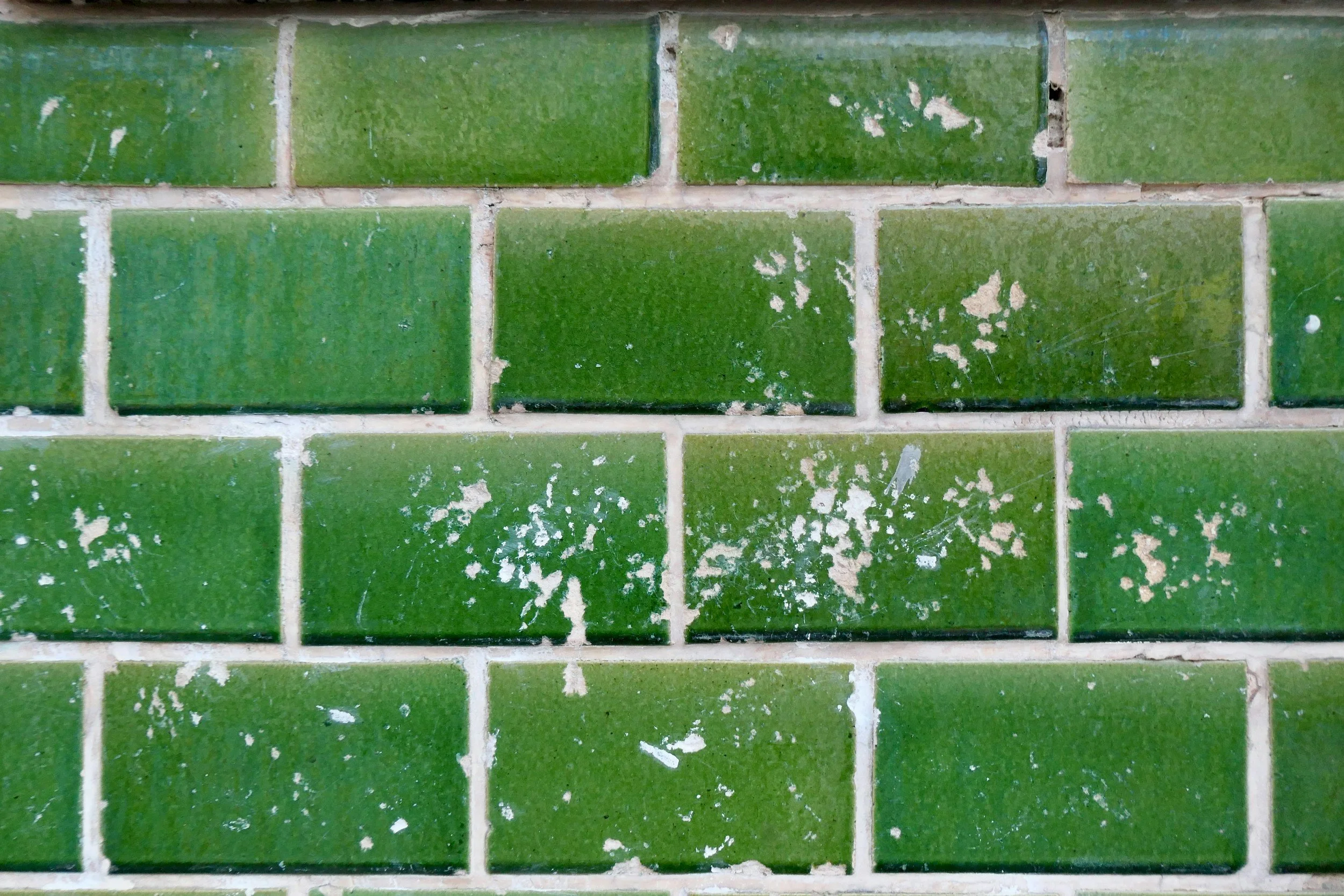
1. Cracked, Chipped, or Damaged Tiles
Visible damage is one of the clearest indicators that your tiles need attention. Cracks and chips not only affect the appearance of your space but can also lead to further structural issues if left untreated, such as creating weak points for water ingress in wet areas.
When microcement is applied directly over existing tiles, prep work — including levelling, reinforcement, and waterproofing — ensures your new finish covers and addresses those imperfections to extend the longevity of your space with a watertight new surface.
Learn more about SEMCO X-Bond, the USA’s original microcement.
2. Stubborn Stains and Discoloration
Over time, tiles can become stained or discoloured due to moisture, cleaning products, and just general everyday use. Grout is particularly prone to absorbing dirt and becoming stained or mouldy.
Tile resurfacing eliminates the need to scrub or replace grout lines, as microcement overlays are completely seamless, finished with a mould- and stain-resistant sealer.
Read More: Microcement vs Tiles in Bathrooms
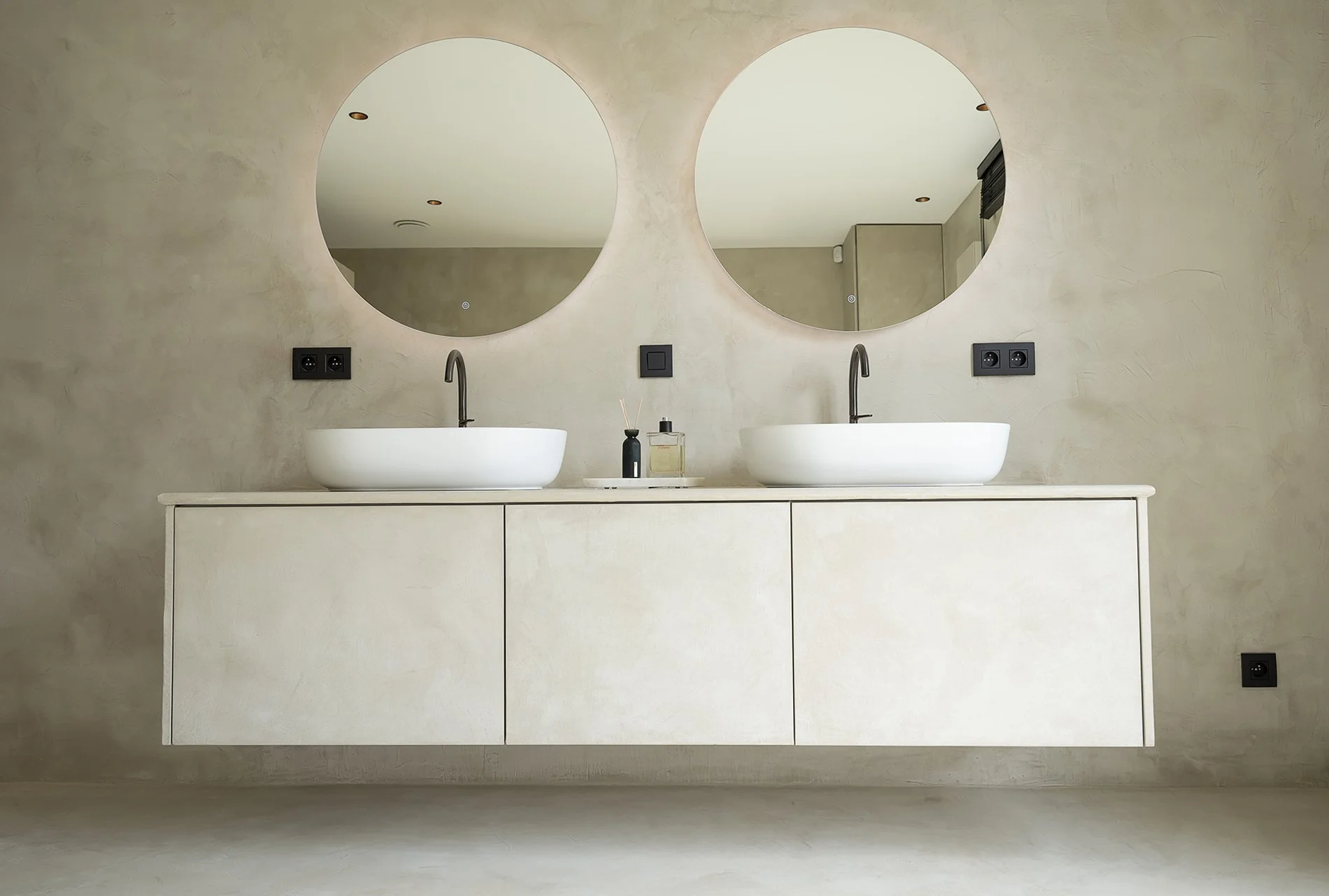
3. Outdated Style or Design
Trends change, and what once looked modern can quickly feel dated. Old patterns, colors, or tile layouts can make your space feel stuck in the past.
Instead of ripping out structurally sound tiles for a simple cosmetic remodel, microcement resurfacing allows you to completely update the look without demolition. The seamless, minimalist aesthetic is a truly timeless option with endless architectural potential.
4. Loose or Hollow Tiles
If your tiles sound hollow when tapped or feel slightly loose underfoot, it could indicate that the adhesive underneath is failing. After addressing any underlying issues, resurfacing can reinforce the surface and provide a new, cohesive finish without full replacement.
Related Reading: Upgrading Bathrooms With Microcement Showers
5. Mold or Mildew in Grout Lines
Bathrooms and wet areas are especially vulnerable to mould growth in grout lines. Not only is this unsightly, but it can also pose health risks. A seamless microcement surface removes grout lines altogether, reducing the risk of mould and making maintenance much easier.

Why Choose Microcement for Tile Resurfacing?
Microcement is quickly becoming the go-to solution for tile resurfacing in the US, and for good reason:
Seamless finish – no grout lines
Highly durable – resistant to wear, water, and stains
Versatile – suitable for floors, walls, bathrooms, showers, kitchens, and more
Modern & customizable aesthetic – versatile, minimalist look
Convenient – avoids demolition and reduces labor costs, time and disruption
Discover more reasons to choose X-Bond Microcement for tile resurfacing.
If your tiles are showing signs of damage, aging, or simply no longer match your style, tile resurfacing is a smart and efficient solution. With microcement, you can achieve a high-end, contemporary finish without the fuss of a full renovation. Thinking about resurfacing your tiles in the US? Get in touch with our team to explore how X-bond Microcement can transform your space.