
What You Need to Know About Microcement Balconies
For contractors, surfacing a balcony with microcement comes with its own set of considerations.
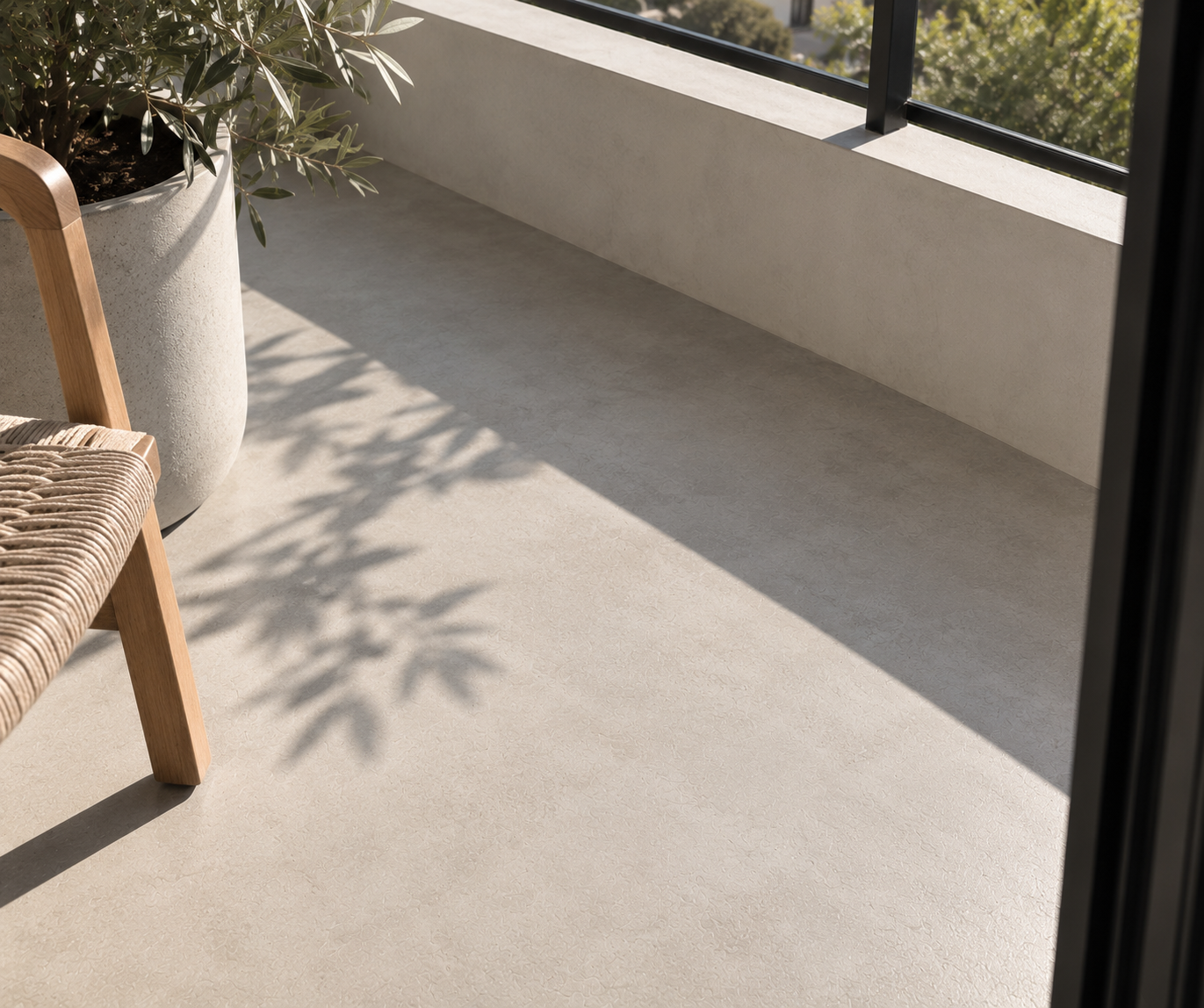
Balcony areas may be exposed to rain, direct sunlight, temperature changes and greater environmental movement. They can introduce additional waterproofing and drainage requirements, while needing to withstand foot traffic and changing weather conditions.
Microcement can provide a seamless, contemporary finish across a balcony — but successful application starts well below the finished surface.
Related Reading: Everything You Need to Know About Microcement for Exteriors
Why Use Microcement on a Balcony?
Microcement is a thin, hand-applied surface finish that can be installed across a variety of suitable substrates.
Unlike tiles, it doesn't rely on repeating grout lines to create the finished surface. This allows contractors to create large expanses of continuous material with the natural variation of a trowel-applied finish.
For renovations, its approximately 1/8-inch build-up can also be an advantage. Where the existing substrate is suitable, X-Bond Microcement can often be installed without substantially increasing the finished floor height or adding significant material weight — both useful considerations when resurfacing an existing balcony.
However, there are a few things to address before your balcony is ready for microcement.
Start With the Existing Substrate
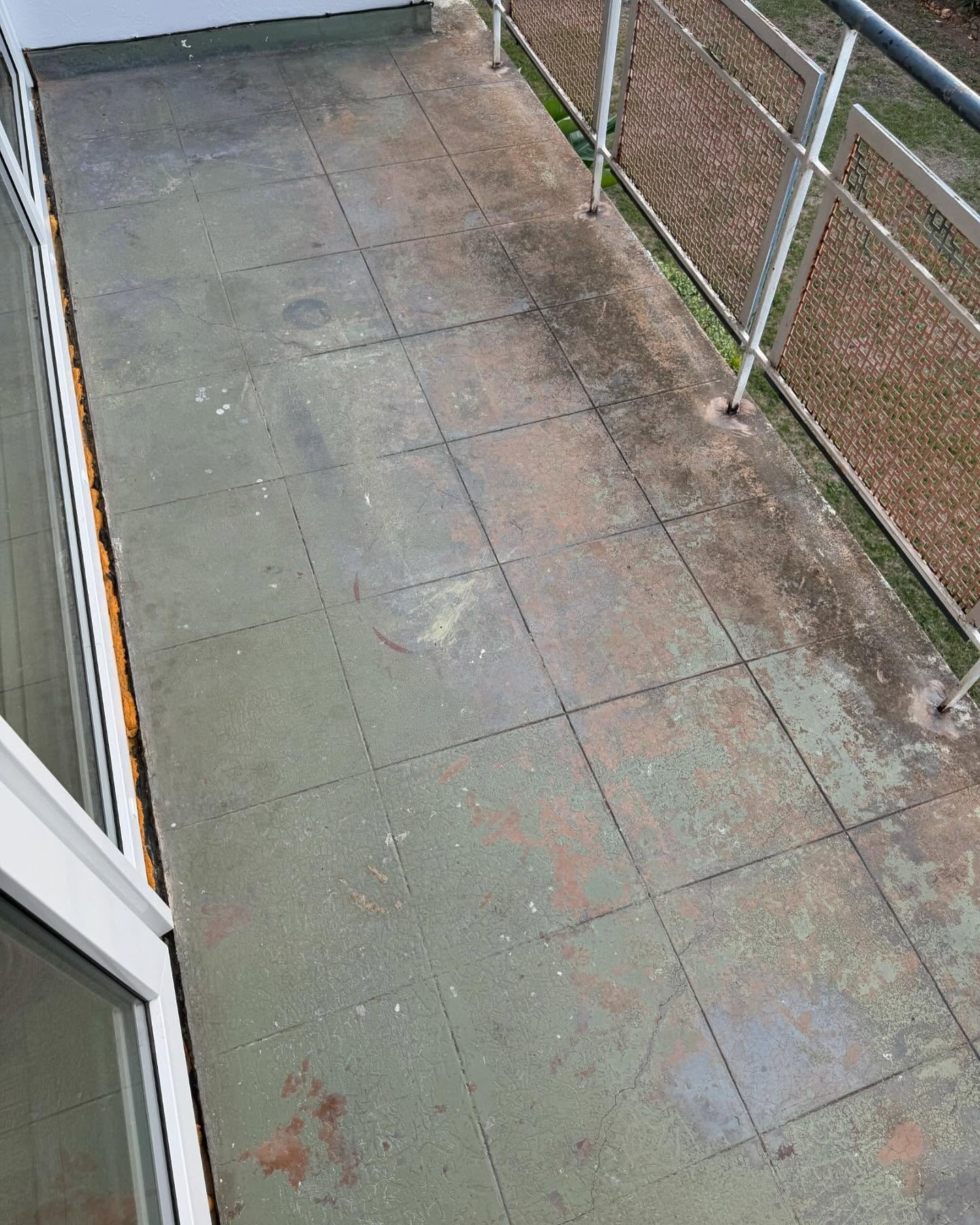
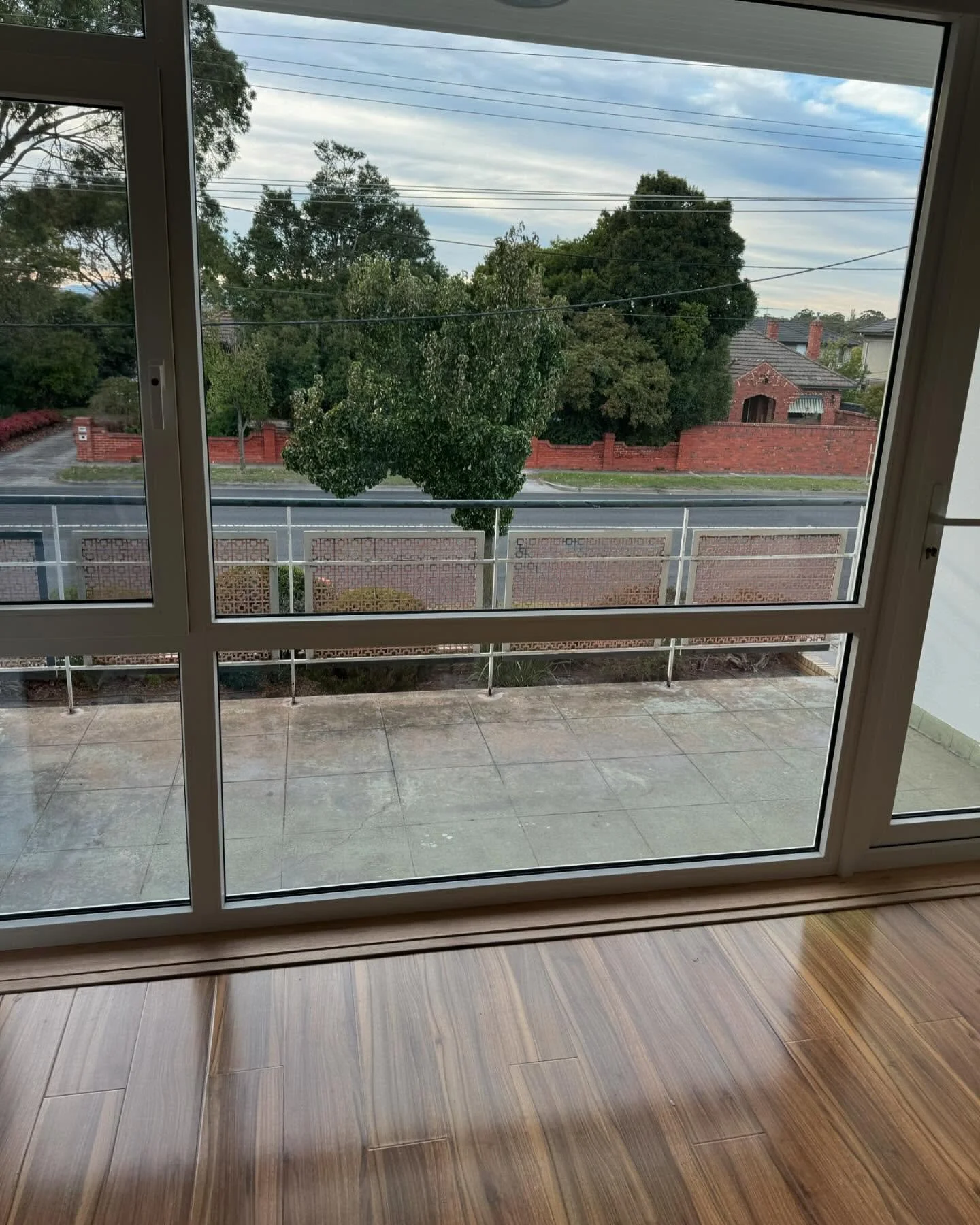
If you're resurfacing an existing balcony, you should establish exactly what you are working over. Aside from timber (which we'll talk about later), concrete and existing tile are common substrates. Both can potentially be resurfaced with microcement, but the condition and stability of the existing surface need to be assessed first.
This is important because microcement is a surface finish, not a structural repair product or leveling compound. Existing problems need to be identified and appropriately addressed as part of the preparation process.
For example, actively growing cracks caused by ongoing substrate movement indicate that the underlying issue needs to be stabilised or repaired before microcement is applied. By contrast, a stable hairline crack caused by isolated impact or damage can typically be addressed and bridged during preparation and application.
One advantage of the X-Bond system is that it isn't a premixed formula. Some of its individual components can be used independently for restoration work, substrate repairs and build-up, helping to prepare a suitable surface before the final X-Bond finish is applied.
There are still substrates that require additional consideration. Timber boards, for example, are not generally suitable for direct microcement application because they’re too flexible. Where an existing balcony has timber decking, additional subfloor preparation or construction may therefore be required.
Because the appropriate preparation depends on the existing substrate and its condition, we recommend speaking with our team for project-specific advice before beginning your application.
Read Next: How to Prepare Substrates for Resurfacing

Waterproofing Is Particularly Important
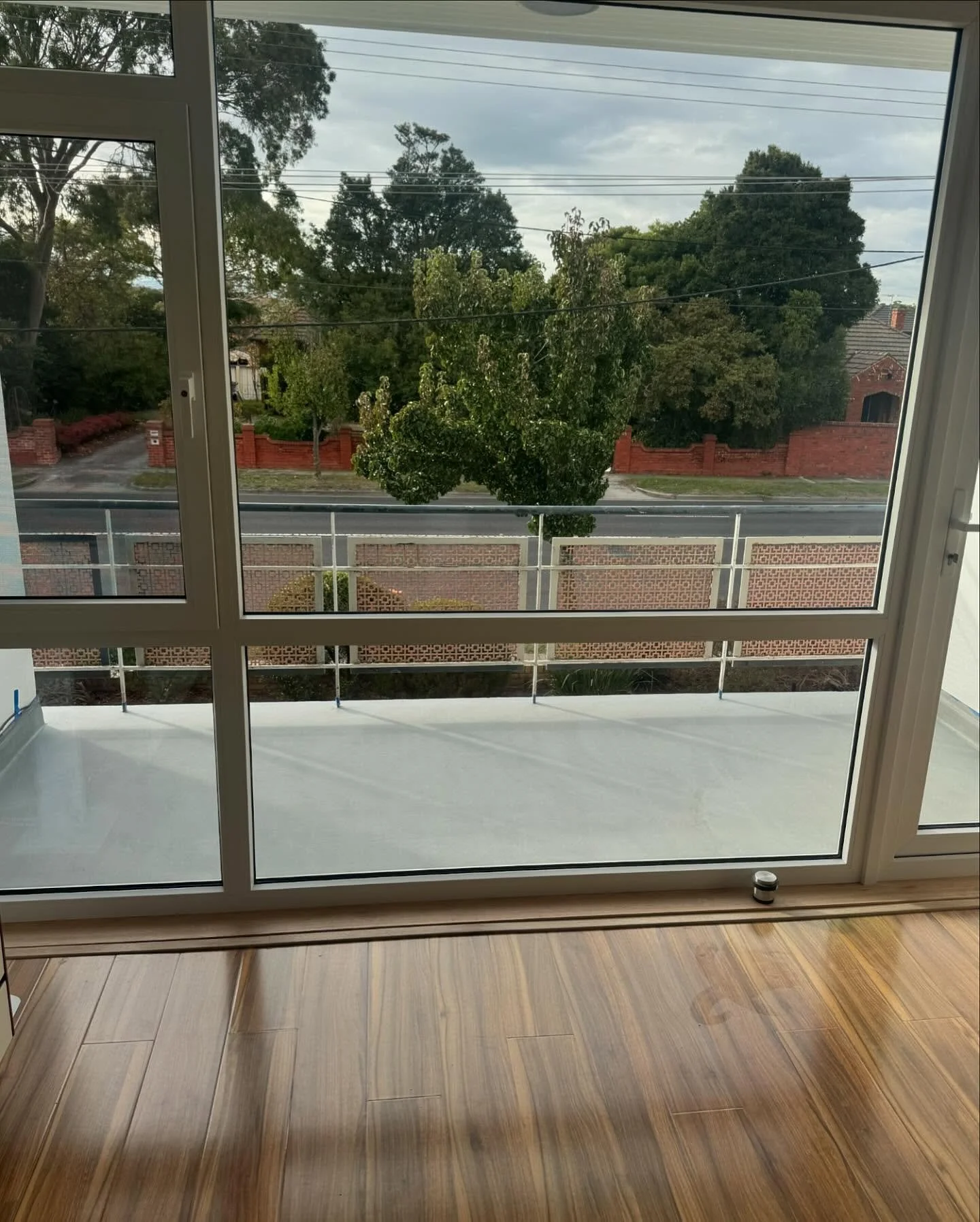
There is an important distinction between a water-resistant finish and a properly waterproofed surface.
Unlike some other microcement products, X-Bond can be incorporated into a waterproof surface system using SEMCO Liquid Membrane beneath the microcement and an appropriate sealer over the finished surface.
This is especially important for balconies that may sit above internal rooms or other areas that need protection from water ingress. Penetrations, perimeter details, junctions, drainage points and falls all need to be considered as part of the waterproofing system — not simply covered by the finished microcement surface.
Read More:
Drainage and Falls Need to Be Resolved First
Microcement isn't designed to correct an incorrectly constructed balcony or create substantial new falls. Water needs somewhere to go.
Before application, contractors should check that the substrate has appropriate falls toward drains or drainage points and identify areas where water currently ponds. This becomes particularly important on uncovered balconies that receive direct rainfall.
If the substrate requires significant leveling, repairs or alterations to drainage, those works should be completed using the appropriate materials before the microcement system is installed.
Related Reading: Can Microcement Fix Uneven Floors?
Exterior Surfaces Have to Handle Movement
All substrates move to some degree, but outdoor environments can make that movement more pronounced.
A balcony exposed to direct sunlight can heat significantly during the day before cooling overnight. Seasonal temperature changes, moisture and the construction of the underlying substrate can introduce further movement.
That makes substrate preparation and crack management especially important.
X-Bond is polymer-modified, giving the material flexibility compared with conventional rigid cementitious finishes. SEMCO Liquid Membrane can also provide waterproofing and anti-fracture properties within the complete system.
But flexibility shouldn't be confused with the ability to bridge unlimited structural movement. Existing cracks and movement need to be evaluated rather than simply concealed.
Read Next: How Advanced Polymer Technology Improves Microcement
UV Exposure Matters Too
Exterior finishes don't just have to deal with water.
Balconies can spend hours in direct sunlight every day, particularly in warmer parts of the United States like Florida and California. A material specified outdoors therefore needs to be considered for UV exposure as well as moisture and temperature changes.
X-Bond Microcement is UV-stable and can be used for suitable exterior applications when installed as part of the appropriate system.
This makes it possible to carry the same material language from interior spaces into adjacent outdoor areas without simply specifying an indoor finish and hoping it performs outside.
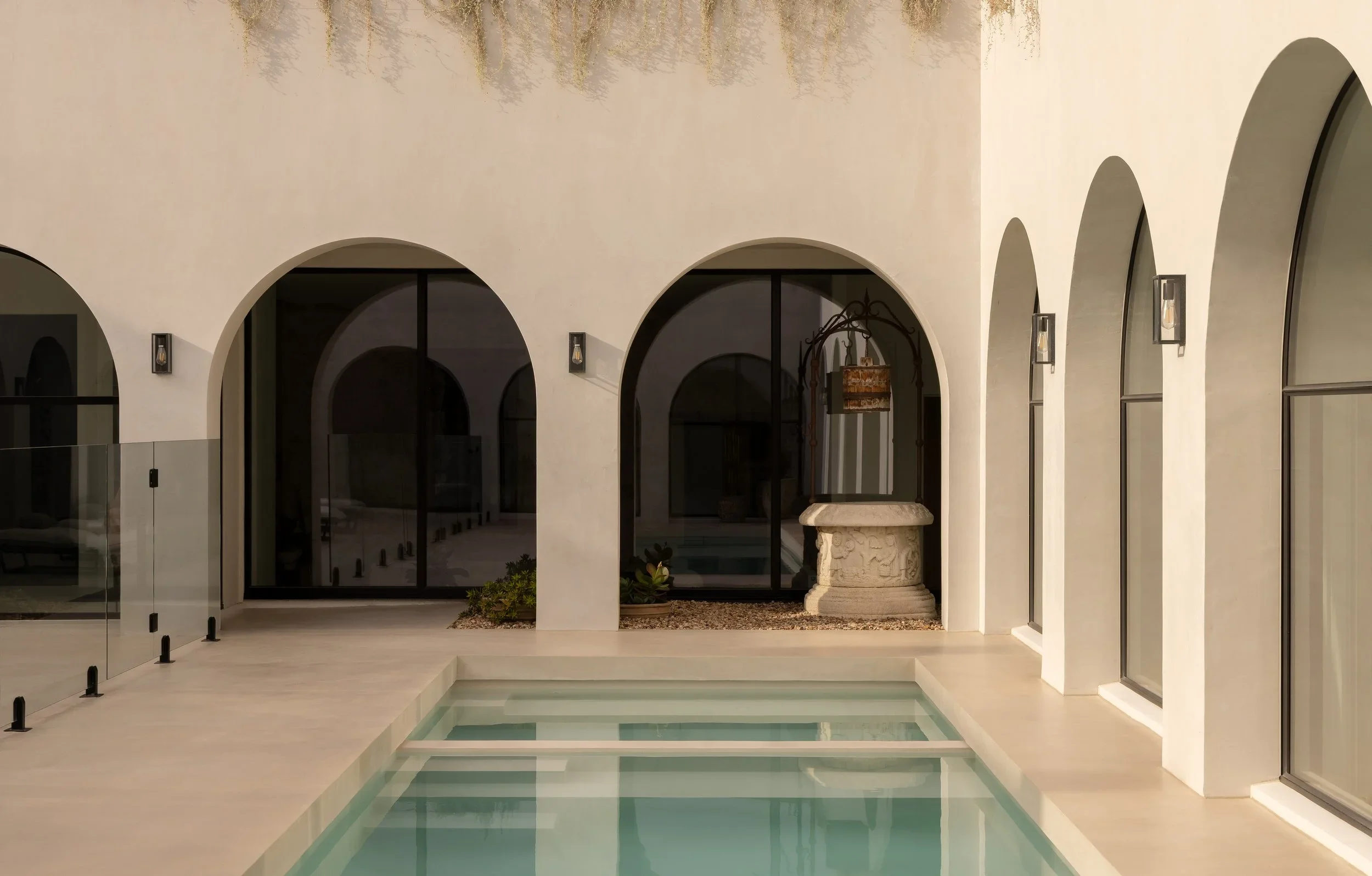
Creating Better Indoor-Outdoor Transitions
This brings us to one of the most interesting applications for microcement: homes where an interior living area opens directly onto a balcony.
Using the same flooring material from your interior area to the balcony can reduce the visual interruption between inside and outside, particularly around large sliding or folding doors.
The two areas may still require different technical specifications depending on exposure, slip requirements and construction, but they can be designed to read as part of the same material palette.
For architects, designers and contractors working on contemporary homes, this can create a much stronger sense of continuity than switching abruptly between unrelated finishes.
A Surface System, Not Just a Finish
The visible microcement layer might be what the client ultimately chooses, but successful finishes depend on everything underneath it.
For balconies, that means treating substrate preparation, movement, drainage, waterproofing and the finished surface as parts of the same system.
X-Bond Microcement gives contractors a thin, seamless and customizable finish for balconies and other exterior surfaces, while the wider SEMCO system allows waterproofing, substrate preparation and the decorative finish to be considered together.
Interested in adding X-Bond Microcement to your contracting business? Contact SEMCO to learn more about product pricing, technical support and becoming an X-Bond applicator.