
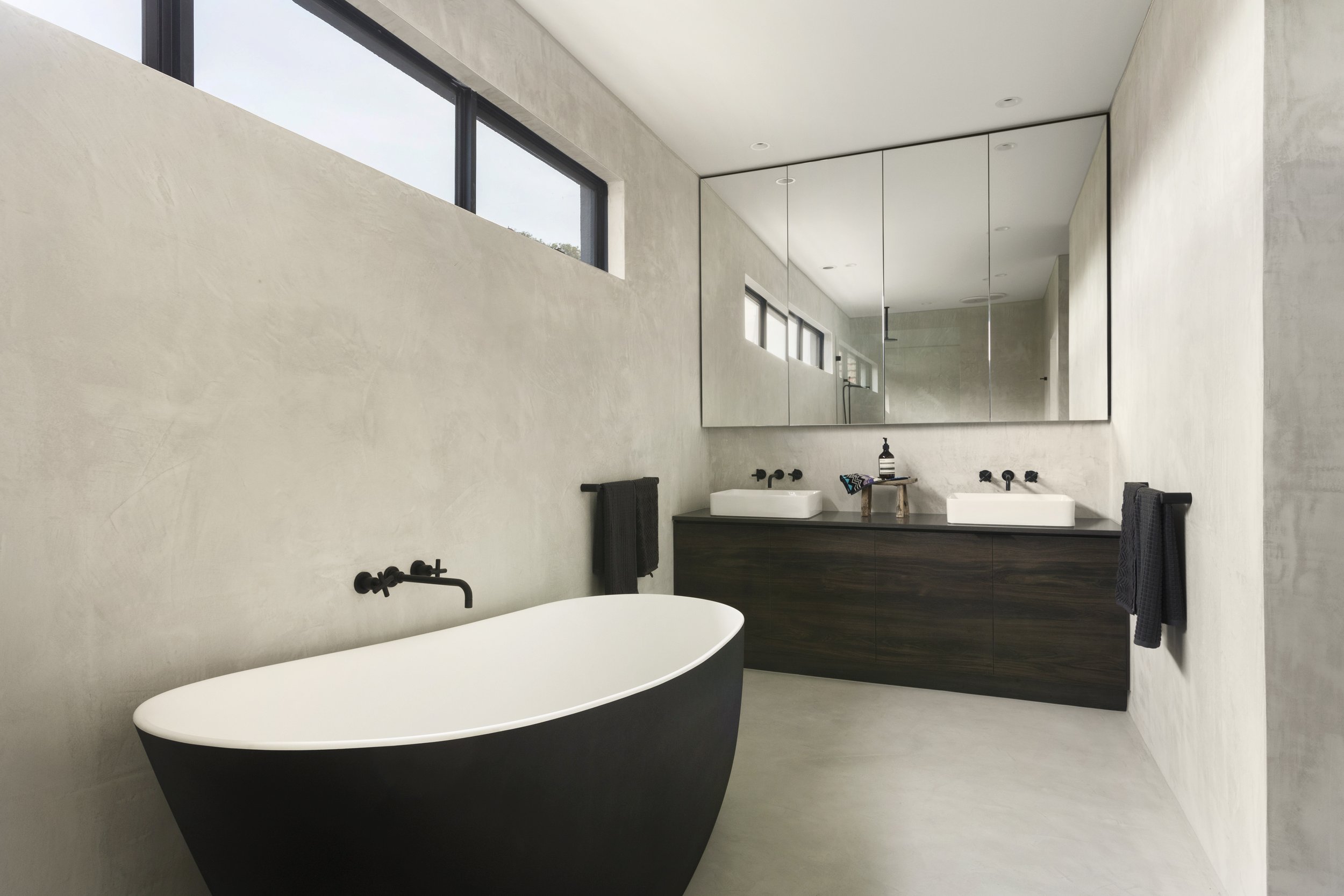
Microcement Bathrooms: Seamless, Waterproof Bathroom Surfaces
SEMCO USA: Microcement Suppliers for Bathrooms
One of the most common questions people ask about X-Bond Microcement: is it suitable for wet areas? The answer is yes. If you’re seeking new ideas for your next bathroom project, this opens up exciting possibilities.
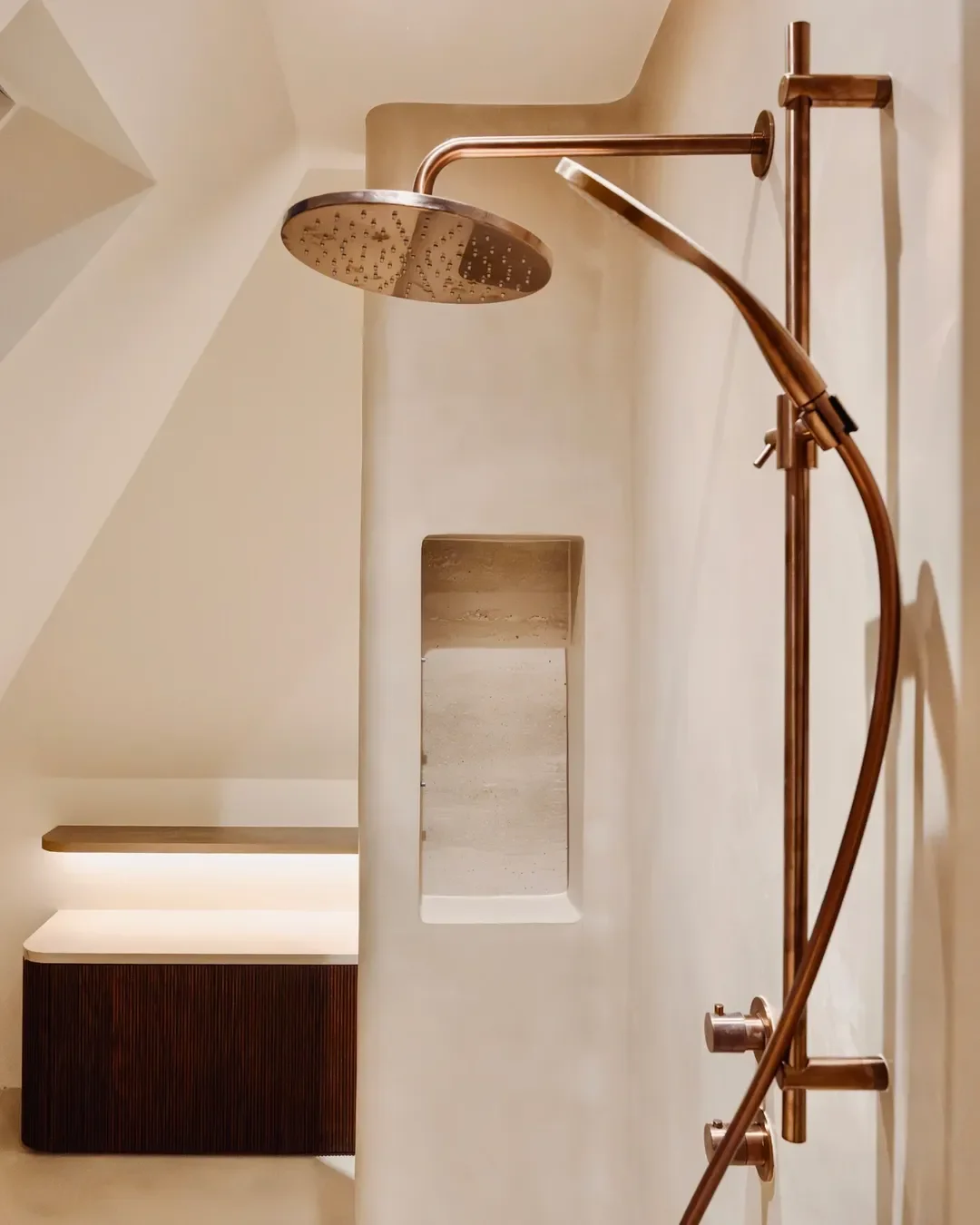
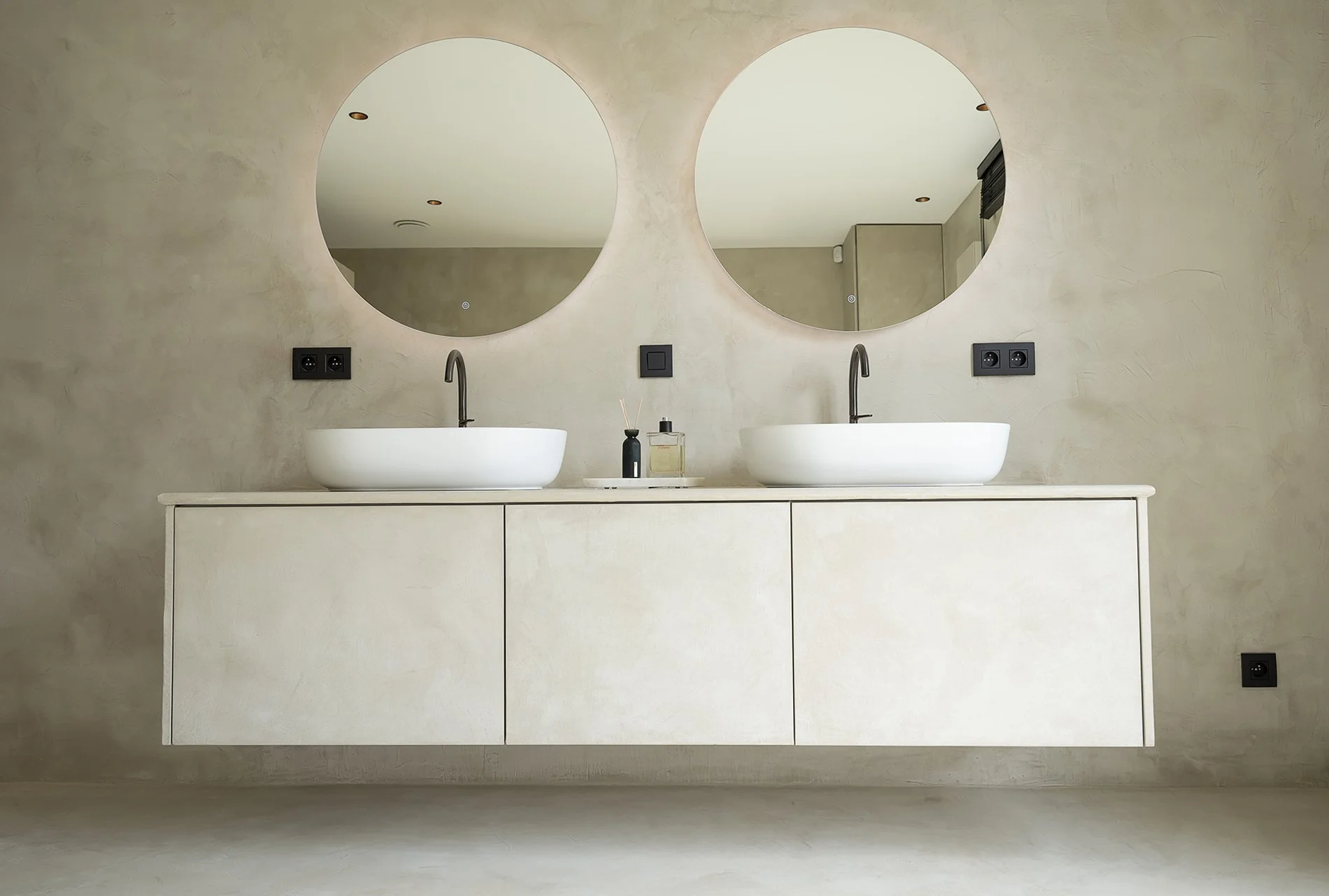
Applied by hand as a thin coating, microcement creates a continuous surface without grout lines across bathroom floors, walls, showers, sinks, and joinery.
Designed for wet areas, SEMCO’s X-Bond Microcement system combines advanced waterproofing with a durable, low-maintenance finish. It can be installed directly over existing materials like tiles, making it ideal for fast, cost-effective bathroom renovations without demolition.
What is microcement?
Microcement is a thin, cement-based product applied as a seamless coating on floors, walls, and other surfaces. Mixed with added latex polymers and a waterproofing system, SEMCO’s X-Bond is a surfacing solution designed specifically for bathrooms, suitable for application directly over existing tiles.
← Back to our Microcement Hub

Can Microcement Be Used in Bathrooms and Showers?
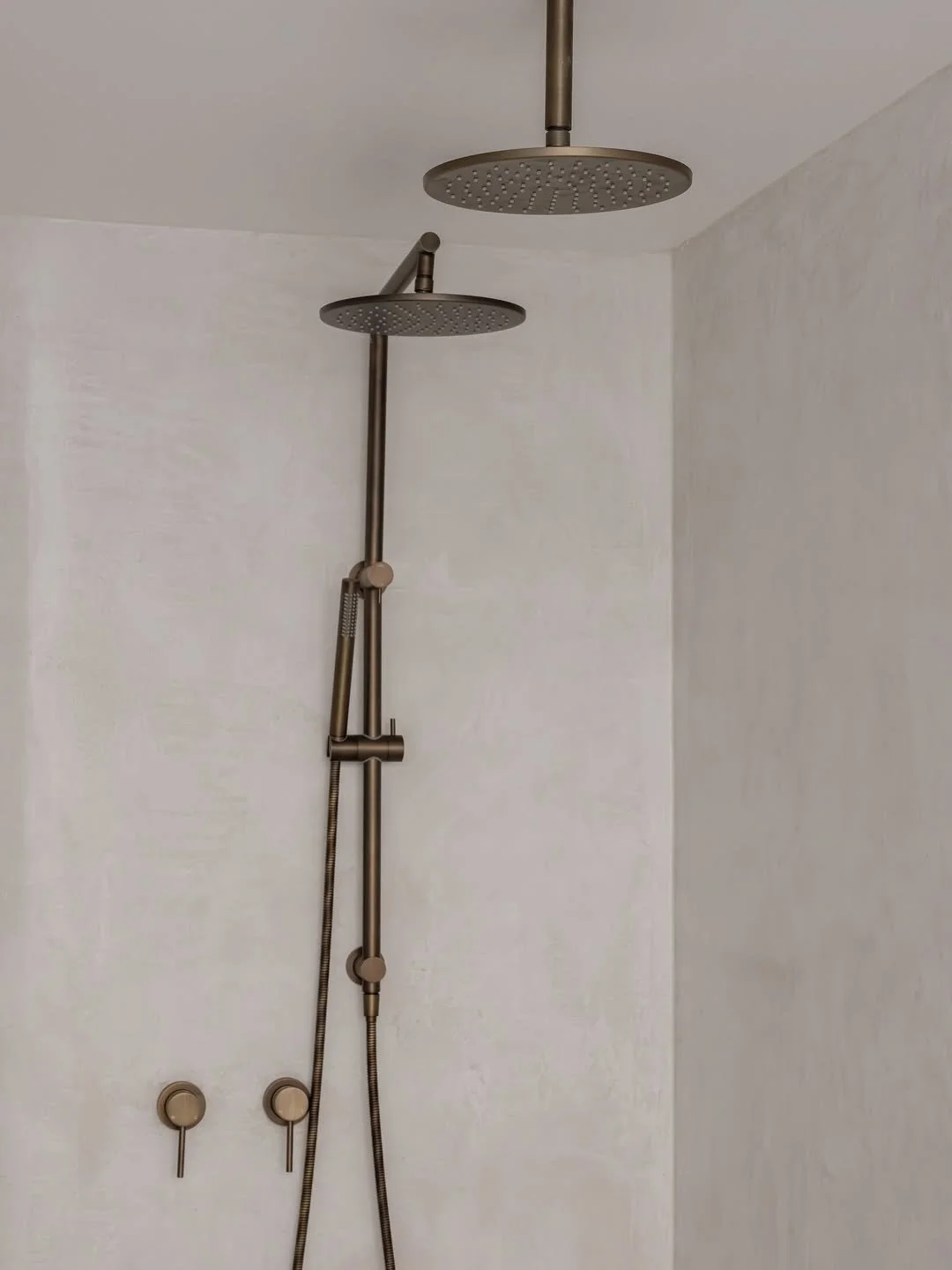
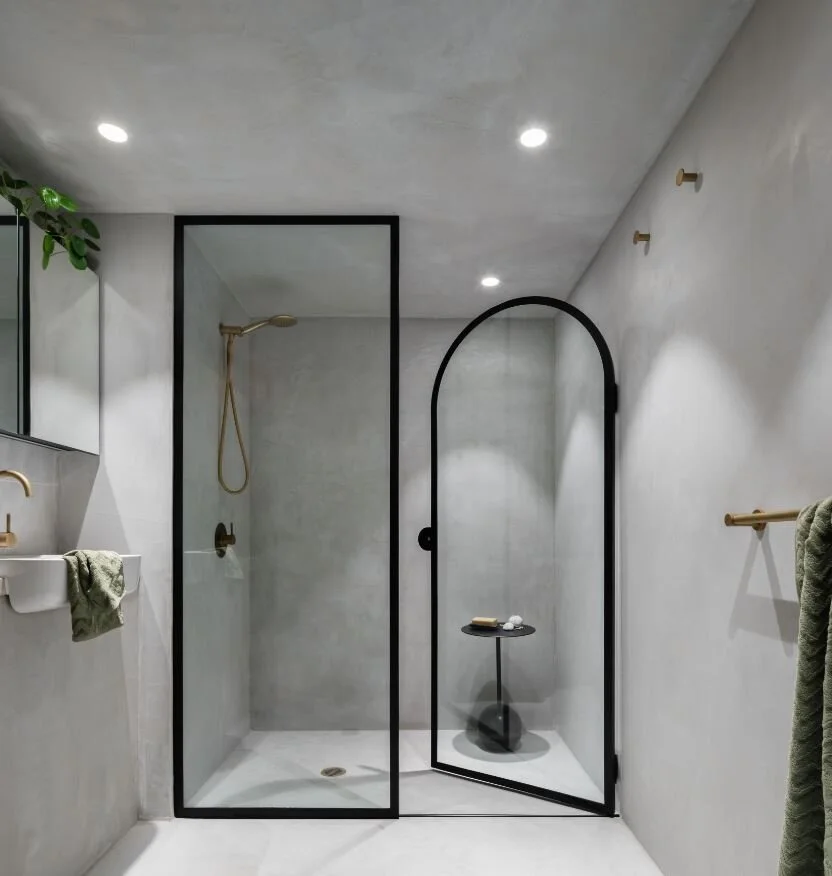
Yes, when installed correctly microcement is fully suitable for bathrooms and showers. SEMCO’s X-Bond system includes:
A flexible waterproof membrane
An adhesive formula for tile resurfacing
Protective sealers for water resistance
This layered approach ensures the surface remains waterproof, crack-resistant, and long-lasting even in high-moisture environments.

Benefits of Microcement Bathrooms
Microcement is the ultimate balance of practicality with aesthetic appeal, making it a popular material choice for wet area surfaces including bathroom floors, shower walls, sinks, and splashbacks. Here’s why a microcement bathroom might be the perfect choice for you.
-
You won’t find a more renovation-friendly surface material than X-Bond. It’s installed directly over old substrates — including tiles — without the need for any machinery or demolition. This makes your project cleaner, more timely, and cost-effective. Learn more about remodel without removal.
-
As it’s installed by hand, X-Bond Microcement can be applied to bathroom floors, walls, ceilings, and joinery — including inside the shower. This means you can have one seamless surface coating across all your bathroom surfaces for a cohesive look.
-
You won’t have to worry about leaks or water damage. When combined with SEMCO’s waterproofing technology, SEMCO Liquid Membrane, X-Bond Microcement forms a reliable barrier against water ingress. It’s ideal for showers, splash zones, and high-humidity spaces. Our sealers finish the surface with protection from stains and mold.
-
Installed as a seamless coating, microcement surfaces don’t feature any expansion joints or grout. This is so much easier to clean than tiles. Read some case studies from X-Bond bathroom installations.
-
Unlike concrete, microcement is easier to achieve in different color finishes. At SEMCO, we offer a range of standard shades and textures.
-
Designed for high-traffic environments, microcement is resistant to cracking, wear, and daily use. With no grout to clean and a sealed surface, X-Bond bathrooms are easy to maintain using standard cleaning products.
Where Can Microcement Be Applied in a Bathroom?
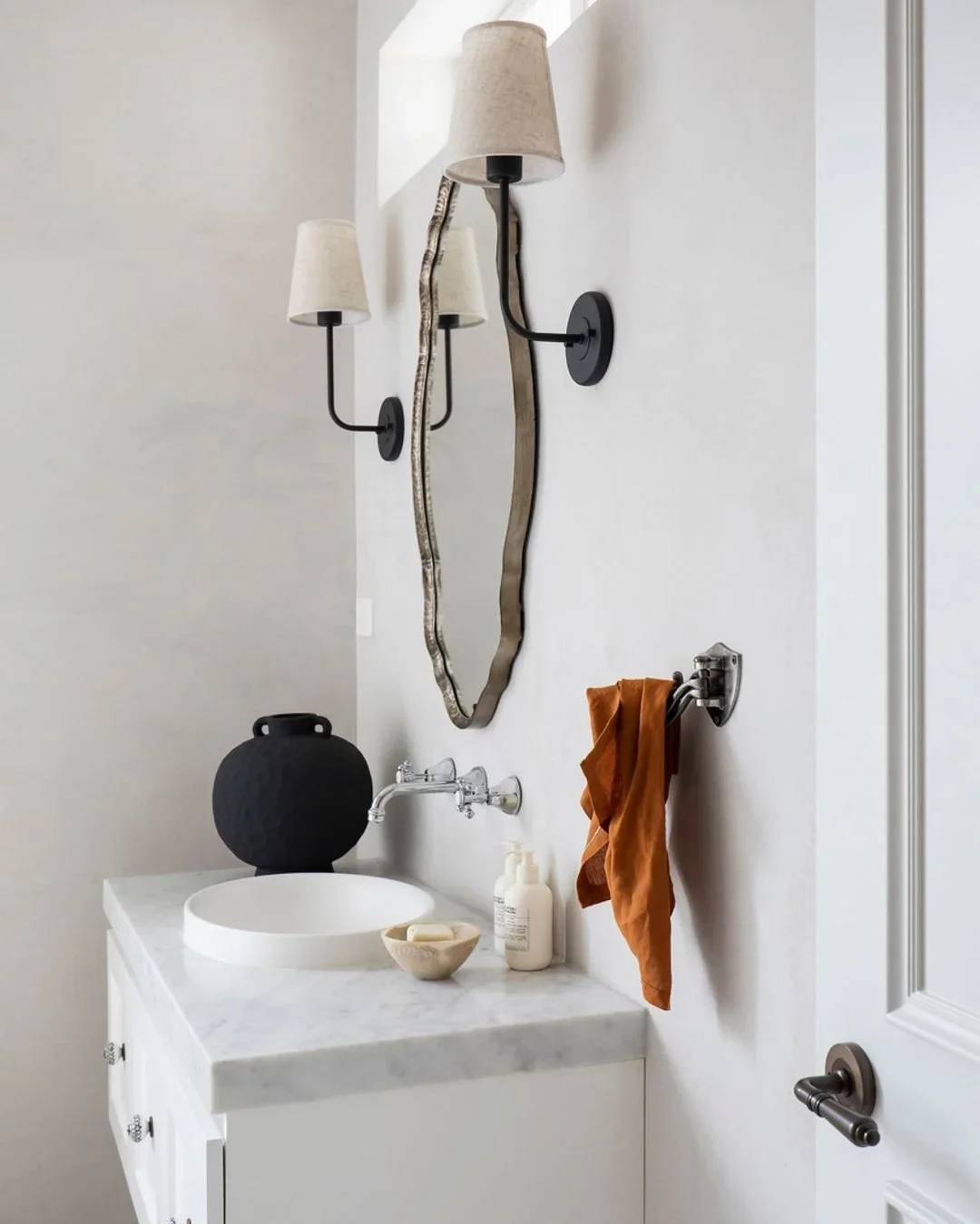
Microcement is highly versatile and can be used across multiple surfaces, including:
Bathroom walls
Floors
Showers and wet areas
Vanity units and joinery
Ceilings and feature elements
Bathtubs
Sink basins
Steam rooms
Saunas
Related Reading: Waterproofing Microcement Guide


Microcement vs Tiles: Which Is Better for Bathrooms?
Traditional tiles have long been the standard in bathrooms, but microcement offers several advantages.
Tiles:
Require grout, which can stain and harbour mould
Often need demolition during renovations
Create visual breaks between surfaces
Microcement:
Seamless and grout-free
Can be installed over existing tiles
Easier to clean and maintain
Creates a continuous, modern finish
For homeowners and designers seeking a minimalist aesthetic with reduced maintenance, microcement is an increasingly preferred alternative. Read More: Microcement vs Tiles in Bathrooms: What You Need to Know Before You Choose

Maintenance in Microcement Bathrooms
Microcement is incredibly easy to maintain, thanks to its outstanding durability and seamless grout-free finish. When cleaning your microcement bathroom surfaces, all you need is water and a mild household detergent.
X-Bond in particular is highly resistant to mold and stains, but you should still avoid letting products like fake tan and certain shampoos or conditioners sit on your surface for too long. Your shower, baths and sinks should always be rinsed off with water after using these products to get rid of any residue.
Liquid Membrane: Waterproofing Microcement
SEMCO Liquid Membrane is the key to bathroom lasting performance in your microcement bathroom. It combines the most advanced surfacing technology with anti-fracture protection to both stabilise and waterproof your flooring — preventing water damage, leaking, and cracking. With an easy application process, this water-based formula is applied prior to installing X-Bond Microcement in just two coats with either a brush, roller, or spray gun.
Seal leaks and fix cracks in bathroom tiles before microcement application.
Prevent future cracks from natural building settlement.
Fully waterproof microcement.

X-Bond Microcement for Bathrooms
For all US inquiries about X-Bond Microcement bathrooms from contractors and home owners, fill out the form below.
FAQs About Microcement Bathrooms
The cost of a microcement bathroom varies depending on the size of the space, surface condition, and design complexity. While upfront material costs may be higher than tiles, savings are often achieved through reduced demolition and faster installation.
How much does a microcement bathroom cost?
1
Is microcement slippery?
2
X-Bond microcement is not inherently slippery, and it is suitable for bathroom flooring including shower bases.
How does microcement compare to Venetian plaster in bathrooms?
3
X-Bond Microcement is specifically suited to wet areas. It is combined with a waterproofing system and sealers to create a durable, water-resistant surface suitable for showers, floors, and full bathroom applications.
Venetian plaster, by contrast, is a lime-based decorative finish traditionally used on walls and ceilings. While it can be sealed for some moisture resistance, it is generally less durable and more sensitive to water exposure, making it better suited to low-moisture or feature areas rather than full wet zones.
Read more about the differences between microcement & Venetian plaster here.