
Can Microcement Flooring Withstand Heavy Foot Traffic?
In multi-residential architecture, flooring needs to do more than just look good. Apartment corridors, foyers and communal spaces experience constant daily use by numerous people — from foot traffic to strollers, pets, deliveries and luggage. These environments require a surface that is durable, low maintenance and visually timeless.
This is one of the reasons microcement flooring is increasingly being specified in high-traffic residential projects. Its seamless finish, contemporary aesthetic and hard-wearing performance make it particularly well suited to apartment foyers, shared residential corridors and communal living spaces where both durability and design matter equally.
Read Next: Discover SECMO X-Bond Microcement
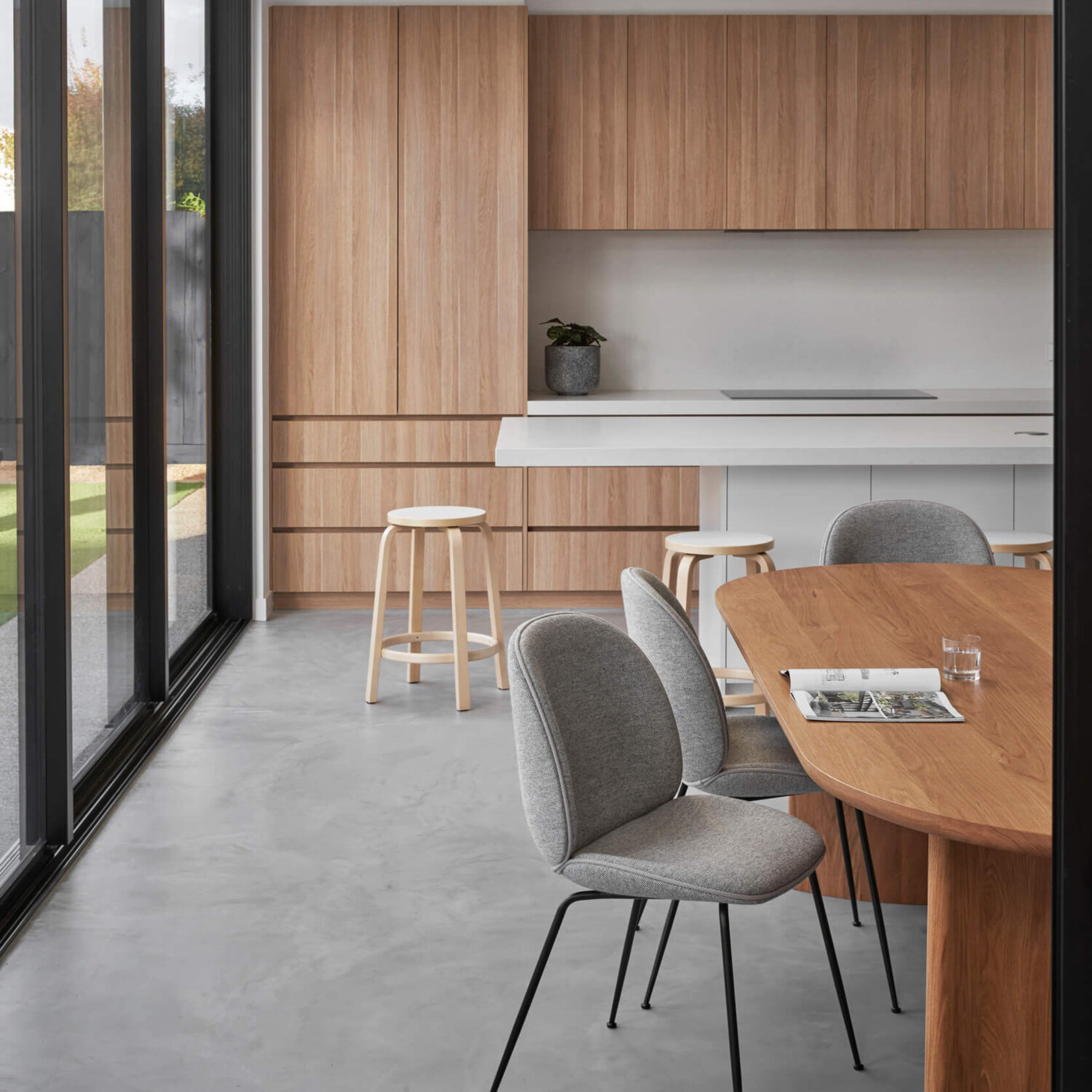
Flooring Requirements of High-Traffic Residential Spaces
Unlike private rooms within a home, apartment foyers and communal spaces are subjected to continuous movement throughout the day. Traditional flooring materials can begin to show wear relatively quickly in these environments, particularly around grout lines, joins and edges.
In multi-residential projects, flooring often needs to withstand:
Constant pedestrian traffic
Dirt and debris being tracked indoors
Frequent cleaning and maintenance
Furniture movement and deliveries
Moisture exposure near entry points
Long-term aesthetic wear over large surface areas
Because of this, developers are increasingly looking for flooring systems that combine durability with aesthetics.
Read More: Comparing Microcement to Other Finishes
What Makes Microcement Flooring Suitable for Heavy Foot Traffic?
Microcement is a cement-based coating system applied in thin layers over prepared substrates. Once sealed correctly, it forms a highly durable and resilient surface capable of handling demanding residential environments.
One of the biggest advantages of microcement flooring is the absence of grout lines or panel joins. Traditional tiled flooring often shows wear first in the grout, while microcement creates a continuous surface that feels cleaner, more refined and easier to maintain over time.
Read More: Why X-Bond Is The Best Microcement for High-Traffic Flooring
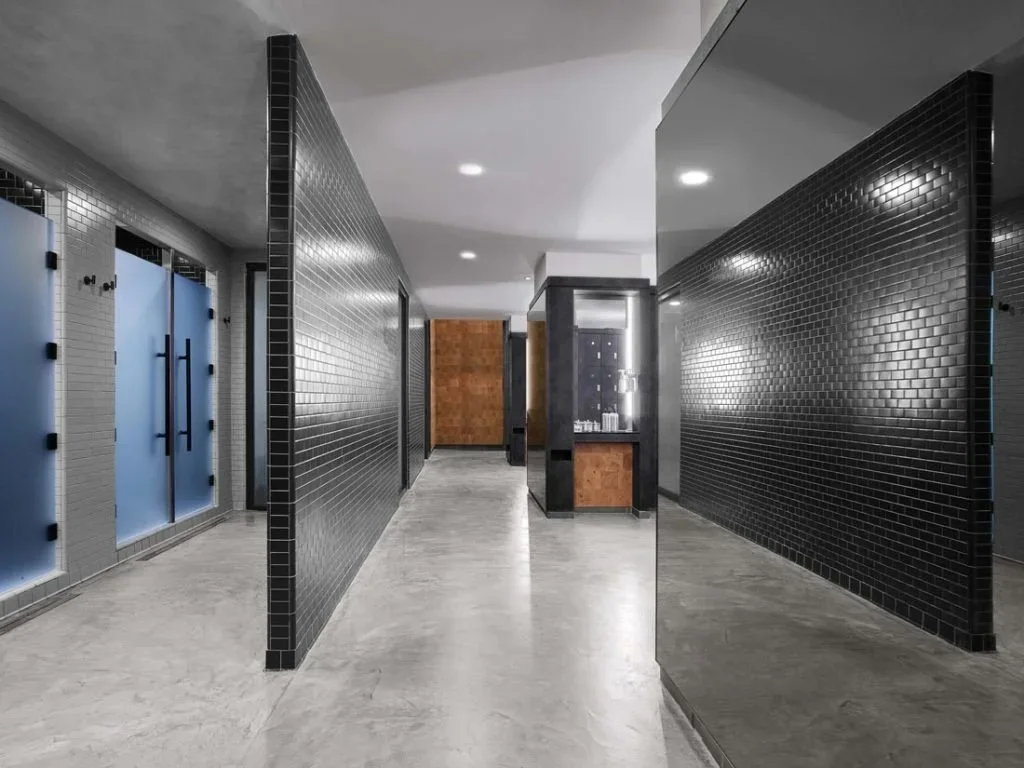
Microcement flooring’s performance benefits include:
Seamless Durability
Without grout joints or segmented materials, there are fewer weak points across the floor surface. This is especially beneficial in high-traffic residential spaces where constant movement can cause traditional flooring systems to deteriorate unevenly.
Scratch & Wear Resistance
Sealed microcement flooring is designed to withstand everyday residential use. In apartment foyers and communal areas, this means the flooring maintains its visual consistency even under repeated foot traffic.
Easy Maintenance
Communal residential areas require frequent cleaning. Microcement flooring is easy to maintain because dirt and dust cannot accumulate in grout lines or gaps. This makes it particularly practical for apartment corridors and shared entry spaces where cleanliness directly impacts presentation.
Thin Application Over Existing Substrates
For residential renovations and apartment upgrades, microcement can be applied over existing surfaces without full demolition, at a minimal thickness and weight. This reduces downtime and simplifies refurbishment projects within occupied residential buildings that cover multiple zones.
Microcement Flooring vs Tile in High-Traffic Residential Projects
Tiles, especially large format stone slabs, have traditionally been used in apartment foyers and communal spaces because of their durability. However, many residential developments are now shifting toward seamless flooring systems for both practical and aesthetic reasons.
Compared to tile, microcement flooring offers:
Microcement Flooring Traditional Tile Seamless appearance Visible grout lines Easier maintenance Grout requires ongoing cleaning Contemporary architectural aesthetic More traditional finish Continuous flow between spaces Multiple joins and transitions Applied over old substrates Demolition required before application
In apartment corridors and shared residential areas, these differences become particularly noticeable over time.
Does Microcement Flooring Crack Under Heavy Use?
One of the most common questions about microcement flooring is whether it cracks under pressure. In reality, performance depends heavily on correct substrate preparation and installation quality.
When installed properly by contractors over a stable substrate using high-quality systems, microcement flooring performs exceptionally well in residential environments with heavy daily traffic.
For apartment foyers and communal spaces, it is essential that:
The substrate is structurally sound
Any existing expansion joints are respected
Flexible systems are used where required
Professional sealing systems are applied
Like any architectural finish, the longevity of microcement flooring depends on the quality of both the product and the installation process.
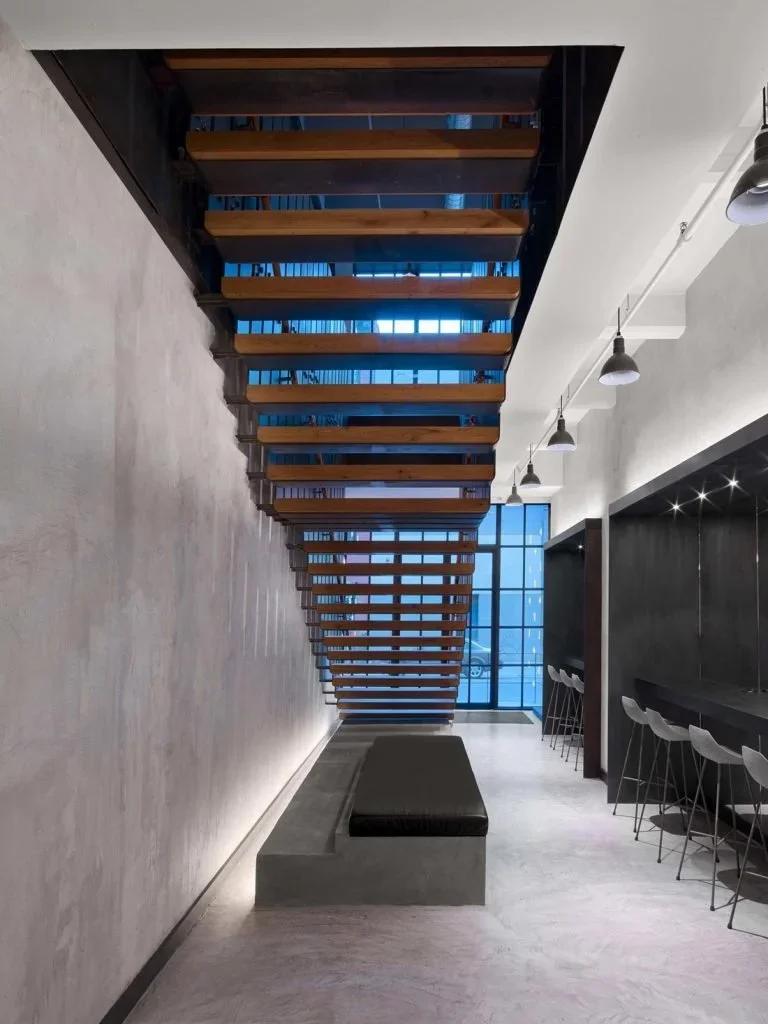
The Aesthetic Advantage in Residential Design
Beyond durability, one of the main reasons designers specify microcement flooring in apartment corridors, foyers and communal spaces is the atmosphere it creates.
Seamless flooring naturally feels calmer, cleaner and more expansive. In residential developments, this contributes to a more elevated and cohesive experience throughout shared spaces.
Rather than competing with architecture, microcement flooring allows materials like timber, stone, lighting and joinery to stand out. Its soft tonal variation adds depth without overwhelming the interior palette, making it ideal for contemporary residential design.
Is Microcement Flooring Right for Your Residential Project?
For high-traffic residential environments, microcement flooring offers a rare balance between performance and aesthetics. Its durability, low-maintenance finish and seamless appearance make it particularly effective in apartment foyers, communal areas and shared residential corridors where long-term functionality matters just as much as visual impact.
As residential architecture continues moving toward more minimal, cohesive and tactile interiors, microcement flooring is becoming an increasingly popular alternative to traditional tiled surfaces — especially in spaces designed to be experienced every day.
Read Next: Why Microcement Flooring is Trending in 2026