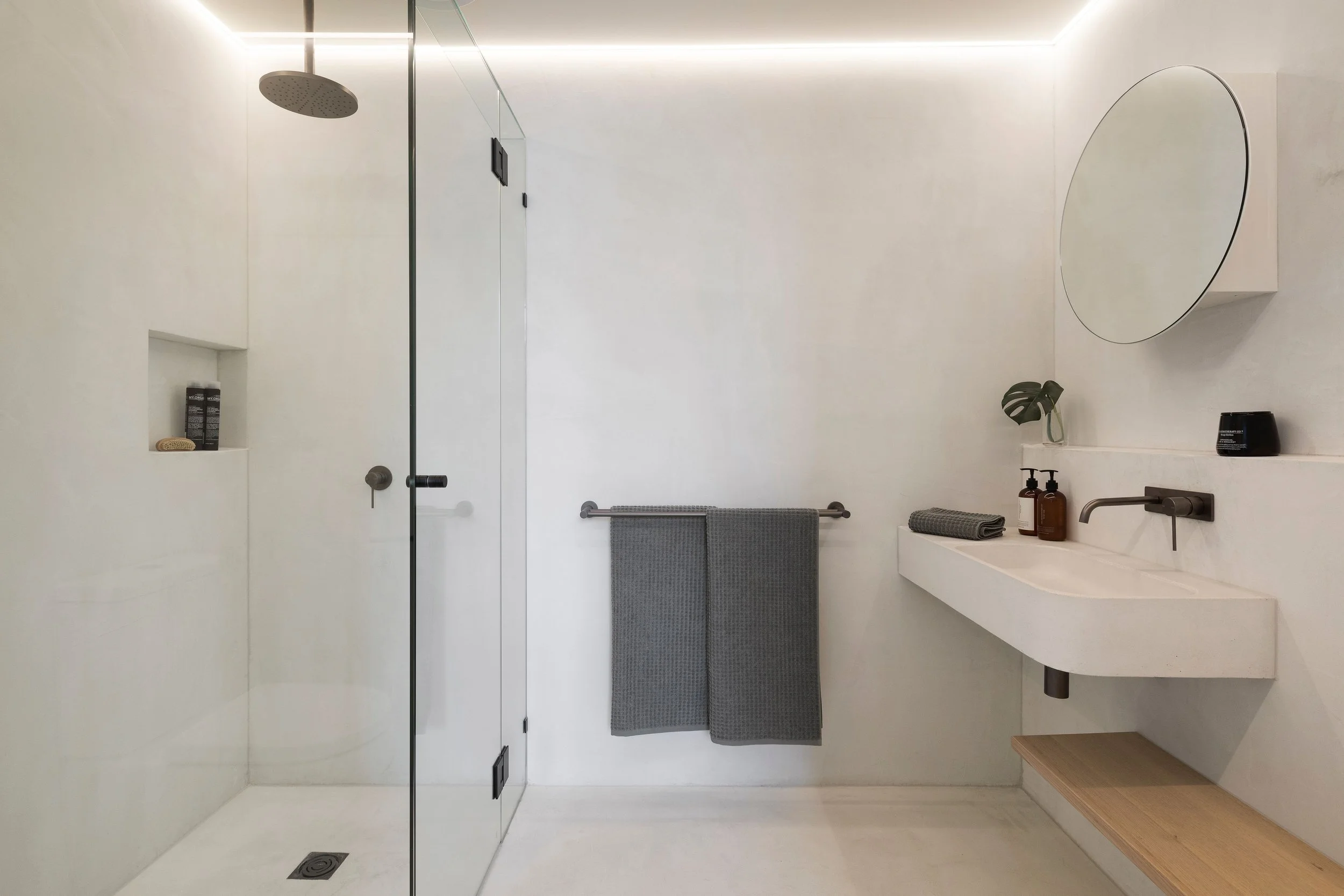
How Long Does Microcement Last? Durability Explained
Microcement has become a popular choice for modern interiors thanks to its seamless look, versatility, and ability to transform surfaces without demolition. But one of the most common questions homeowners and designers ask is: How long does microcement actually last?
When installed correctly and maintained properly, microcement surfaces can last 20 years or more. In many cases, they last just as long as traditional materials such as tiles or polished concrete. However, the lifespan of microcement depends on several key factors, including the product specified, installation quality, surface preparation, usage, and maintenance.
Understanding these factors helps ensure your microcement floors, walls, bathrooms, or joinery stays durable and beautiful for years.
Need a durable microcement in the US? Discover SEMCO X-Bond.

What Makes Microcement So Durable?
Microcement is a cement-based decorative coating that is reinforced with polymers for strength, flexibility, and adhesion. It’s applied by hand in multiple thin layers, creating a strong surface with durability advantages including:
High resistance to wear and abrasion
Seamless surface with no grout lines to weaken over time
Strong adhesion to existing materials like tiles or concrete
Flexibility that reduces cracking compared to traditional cement surfaces
Because of these properties, microcement is widely used in high-traffic residential and commercial environments.
Read more about how microcement adhesion works.

Factors That Impact the Lifespan of Microcement
1. Quality of Installation
Installation quality is the one of the most important factors affecting microcement durability.
A proper installation typically includes:
Surface preparation such as waterproofing, reinforcement or damage repair
Multiple thin, even microcement layers
Protective sealers
If any step is done incorrectly, problems such as delamination, cracking, or uneven wear can occur. Common installation mistakes that reduce durability include:
Poor surface preparation
Applying layers too thickly or unevenly
Skipping reinforcement mesh if needed
Using low-quality sealers
For this reason, installation according to product guidelines is a must.
2. Area of Application
The lifespan of microcement also depends on where it is applied. Different areas experience different levels of stress, moisture, and traffic.
Floors experience the highest wear and tear, especially in high-traffic areas such as kitchens, hallways, and commercial spaces. Proper maintenance is key to the longevity of microcement floors (more on this later)
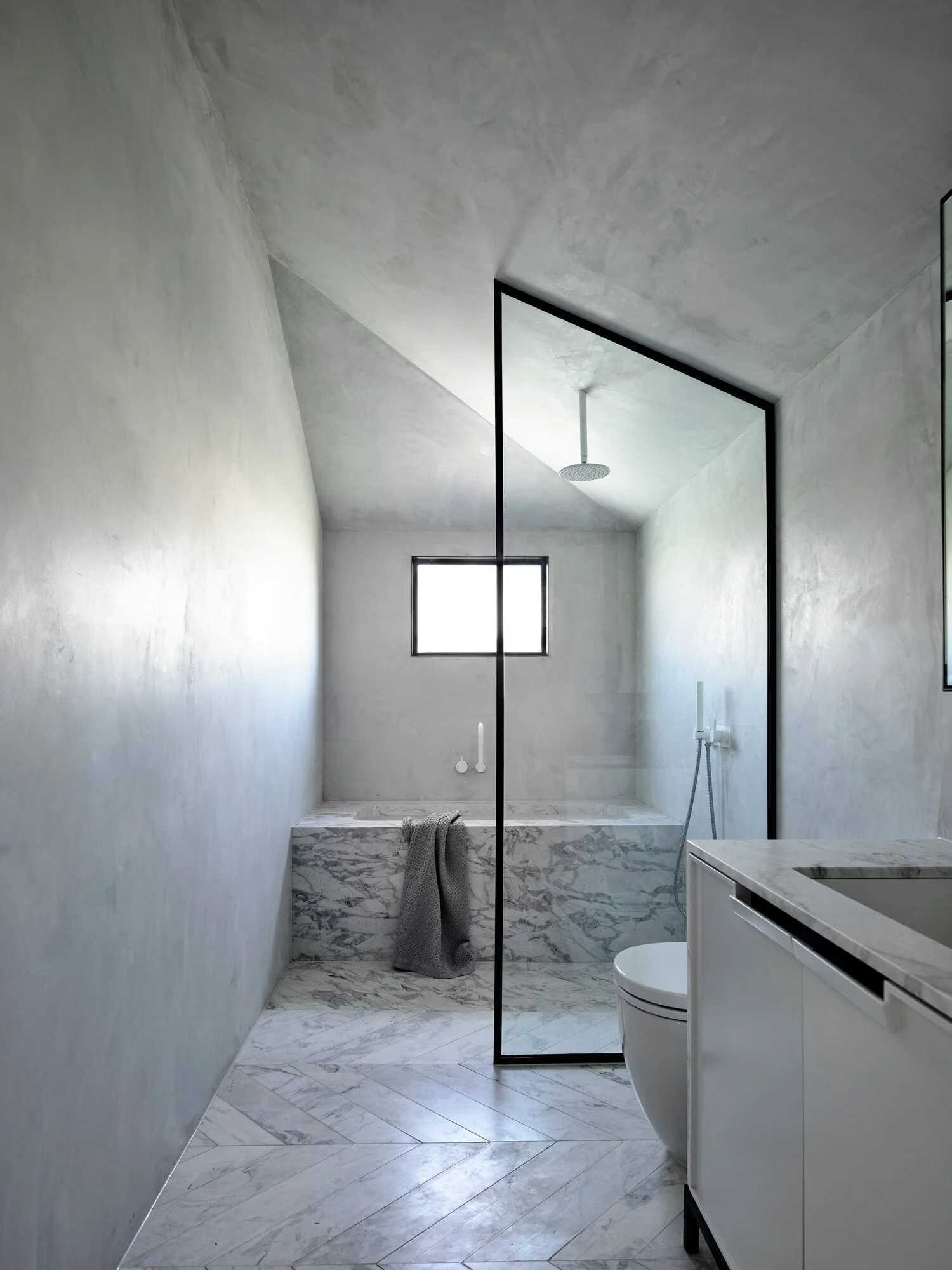
Microcement Bathrooms and Showers
Bathrooms require careful waterproofing. When installed with proper waterproof membranes and made non-porous with a water-resistant sealer, microcement performs extremely well in wet areas.
Walls experience minimal physical stress, which means microcement on walls can last even longer than flooring, often decades without significant wear.
Microcement Countertops
Kitchen countertops face heat, impacts, and spills. With high-quality sealing, they remain durable and stain-resistant, but may require occasional resealing or more refular cleaning to maintain protection. Learn more about microcement joinery.
Microcement is increasingly popular for outdoor environments, including patios, terraces, facades, pool surrounds, and outdoor dining/kitchen areas. Outdoor applications expose surfaces to sunlight, temperature changes, rain, and foot traffic.
Key factors that affect exterior durability include:
UV-resistant sealers to prevent fading or discoloration
Waterproofing systems to protect against moisture penetration
Flexible polymer-modified systems that handle temperature expansion and contraction
Proper drainage and substrate preparation
X-Bond ticks all the boxes.


3. Maintenance and Cleaning
When people hear “low maintenance,” they sometimes assume it means no maintenance, but that’s not true for any material.
Proper maintenance significantly extends the lifespan of microcement surfaces. Fortunately, microcement is very easy to maintain compared to materials with grout lines such as tiles.
Recommended maintenance practices include:
Cleaning with pH-neutral cleaners
Avoiding harsh chemical products
Using soft cloths or mops instead of abrasive scrubbers
Wiping spills quickly to prevent staining
Felt furniture pads for protection under heavy items
This is also where the protective sealer comes in, protecting the surface from stains, scratches, and moisture.
4. Surface Preparation and Substrate Stability
As microcement is applied in thin layers (X-Bond is 1/8” thick) it relies heavily on the stability of the surface underneath it. If the substrate moves significantly or is uneven, it can affect the microcement coating above. The best substrates for microcement include:
Concrete
Existing tiles
Cement boards
Plaster
Other materials can be resurfaced with microcement, but require more extensive preparation work — a properly prepared base ensures the coating remains intact and durable.
5. Traffic and Daily Use
Naturally, the amount of daily traffic a surface receives affects its long-term durability. Residential spaces typically see moderate use, allowing microcement to maintain its appearance for many years. Commercial environments such as retail stores or restaurants may experience heavier wear, but microcement can still perform well when installed with the appropriate system and sealers — and considering the factors above.
How to Maximize the Lifespan of Microcement
For your microcement to last as long as possible:
Ensure correct installation and substrate preparation
Use high-quality microcement systems like X-Bond
Facilitate proper waterproofing in wet areas
Clean surfaces regularly with gentle products
Tailor maintenance to the traffic level
Following these steps helps maintain both the durability and aesthetic appeal of microcement surfaces.