
Microcement Bathroom Guide: Waterproof Finishes, Costs & Design Ideas
Transform Your Bathroom with Microcement
Exploring microcement bathroom ideas for your next renovation? Microcement is a modern, seamless bathroom finish that works beautifully on walls, floors, joinery, and even ceilings in wet areas. It can be applied directly over existing surfaces like tiles, making it a practical option for bathroom remodeling without the mess of full demolition.
Loved for its easy maintenance, reliable waterproofing, and flexible design potential, microcement suits bathrooms of all shapes and sizes. From minimalist floors and feature walls to custom sinks and showers, it creates a cohesive contemporary look.
Let’s explore some common questions about using microcement in bathrooms to help you decide if it’s the right fit for your space — including why X-Bond Microcement is a standout product for walls, floors, joinery, and ceilings in wet areas.

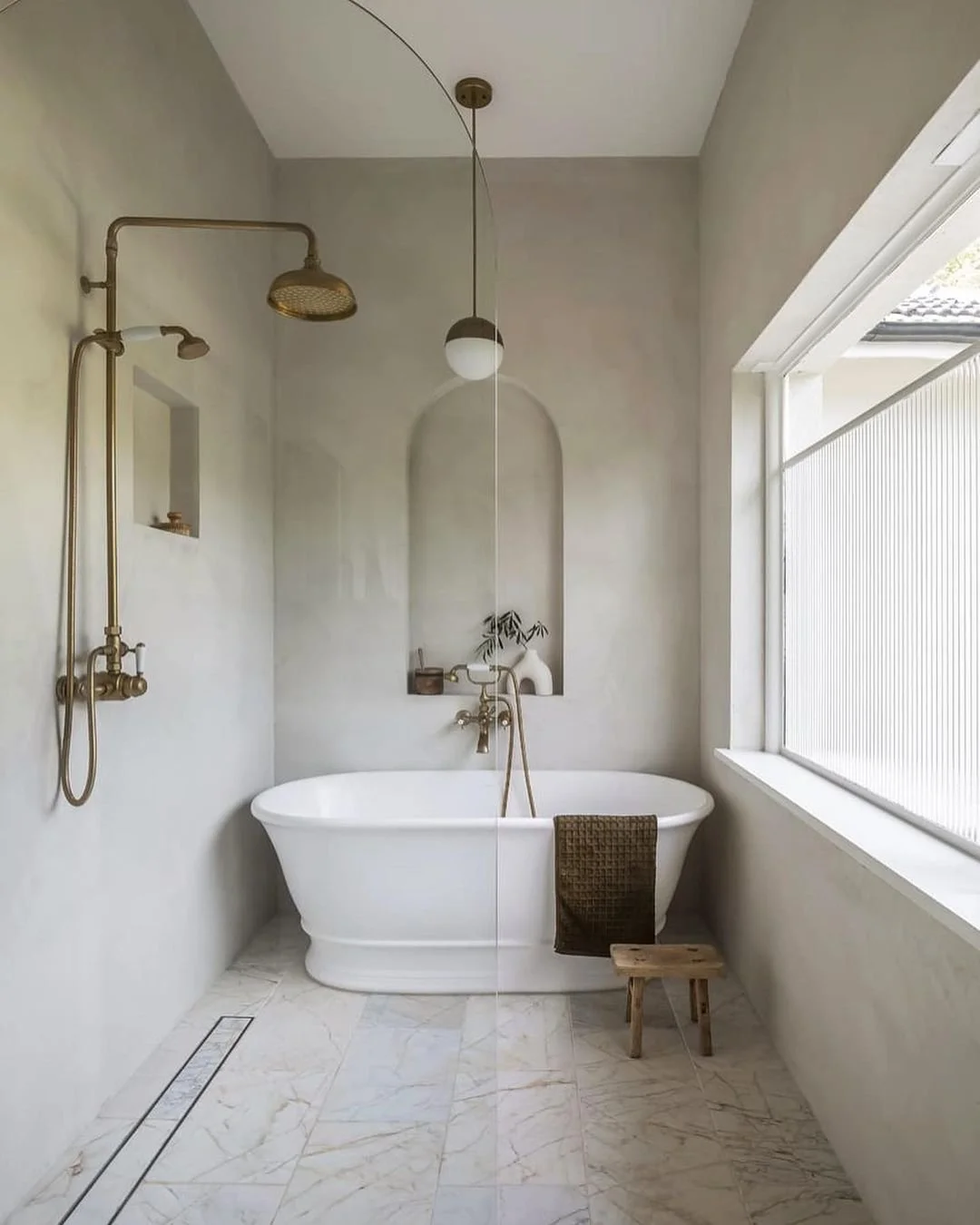
What Is Microcement?
Microcement is a thin, cement-based coating that creates a seamless finish across walls, floors, and other surfaces. All products vary in their formula and application processes; our microcement product X-Bond is applied by hand in multiple layers at approximately 1/8” thick total, able to be installed over existing materials like tile, concrete, and plasterboard.
Its slim profile and adhesion to existing surfaces makes it ideal for renovations, allowing for a grout-free bathroom surface without major structural changes or demolition of existing tiles and/or stone.
Popular in contemporary interiors, microcement is often chosen to achieve a seamless finish with subtle texture in bathrooms. Because there are no grout joints, the finish feels cohesive, streamlined, and easier to maintain than many traditional bathroom materials.
Is Microcement Waterproof in Bathrooms?
Yes, but not all microcement products are created equal. For full waterproofing, choose a product system designed for wet areas, like X-Bond.
The application process, devised by our experienced surfacing engineers, involves applying a liquid waterproofing membrane to form a watertight barrier, followed by two hand-troweled layers of microcement with no seams (at just 1/8” thick). A final sealant is applied to make the surface completely impermeable.
This protective sealant also prevents mold, mildew, and discoloration, making microcement an ideal choice for moisture-prone bathrooms. It delivers the perfect balance of practicality and a beautiful concrete-inspired finish.
Does Microcement Require Grout?
No, microcement is applied as a continuous layer, so there’s no need for grout lines. This seamless finish aligns with minimalist design trends and has the added benefit of being much easier to clean. With no grout to trap dirt or grime, keeping your bathroom in perfect condition is easy.
Where Can You Use Microcement in the Bathroom?
Anywhere! One of the greatest advantages of microcement is its versatility. It can be applied to almost any surface, including floors, walls, ceilings, and joinery like cabinets or countertops. This means you can create a cohesive, seamless look throughout your bathroom without relying on multiple materials.
Some of the most common applications are:
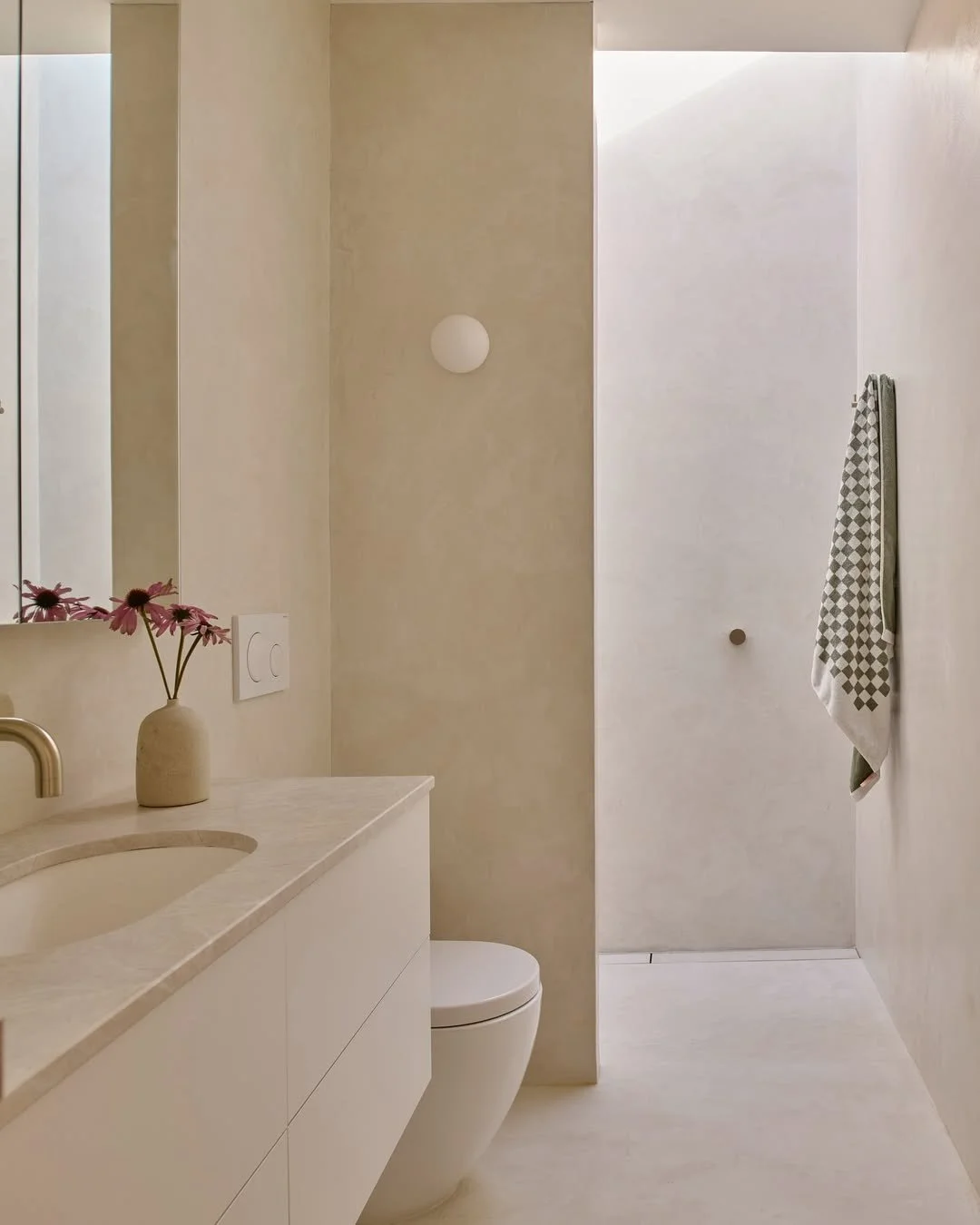
Microcement bathroom floors
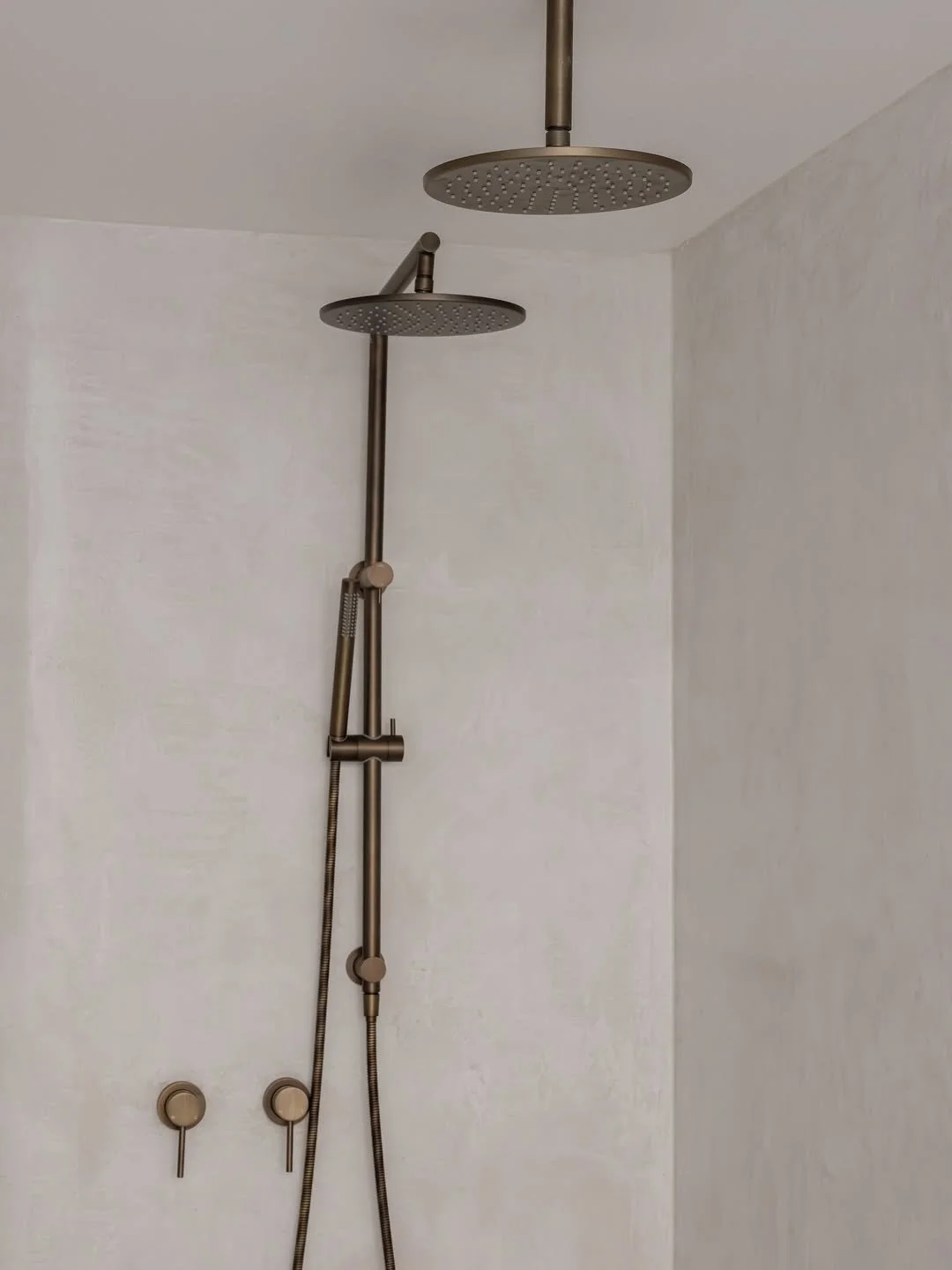
Microcement showers including integrated niches
Vanities and joinery items integrated with walls and splashbacks
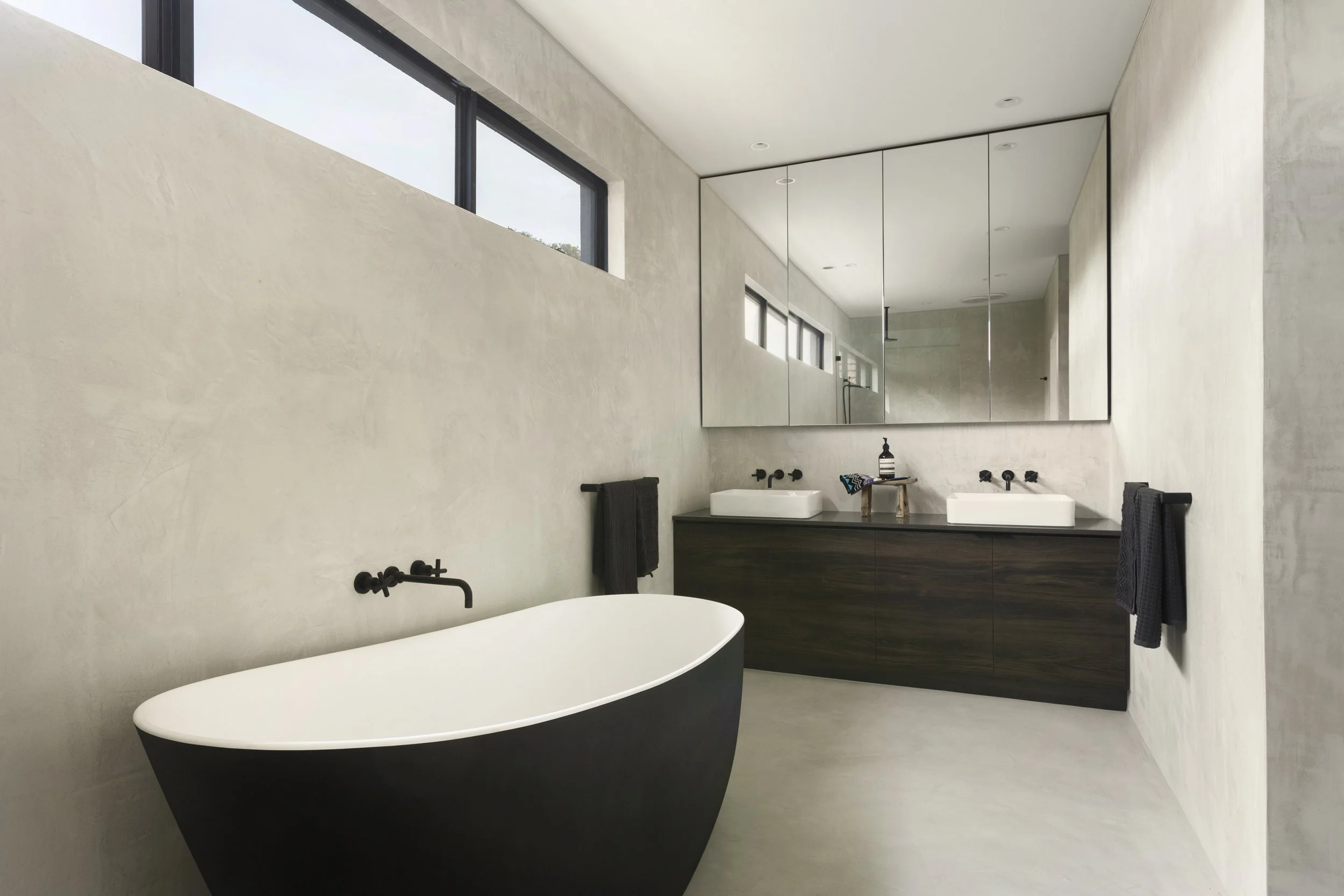
What are the Benefits of Microcement in Bathrooms?
Microcement offers both design flexibility and long-term performance. Here’s why it’s a popular choice for modern bathrooms:
No grout lines – Enjoy a completely grout-free bathroom surface with no joints to trap dirt or moisture.
Easy to clean – The seamless finish makes routine maintenance simple and hassle-free.
Seamless design – Creates a continuous, modern look across walls, floors, showers, and vanities.
Durable surface – Built to withstand daily wear in high-traffic, moisture-prone spaces.
Flexible application – Adapts to a variety of substrates, reducing the risk of cracking when properly installed.
Heat resistant – Suitable for use with underfloor heating systems.
Steam safe – When part of a waterproof system, it performs well in showers and steam environments.
Sustainable renovation option – Can often be applied over existing surfaces, minimizing demolition waste.
How Do You Clean Microcement?
One of the standout benefits of microcement is how easy it is to clean. A soft cloth, water, and a mild detergent are typically all you need for microcement bathroom maintenance. Its smooth, grout-free surface resists dirt and stains, making it a perfect choice for busy households.
In bathrooms, we also recommend cleaning residue from products like purple shampoo and self-tanners as soon as you finish in the shower. Read more guidance on how to maintain a microcement bathroom long term.
Is Microcement Durable? How Long Does Microcement Last in a Bathroom?
Microcement is designed to stand up to the challenges of daily life and frequent use alike. The expected lifespan range is 15–20+ years when installed and maintainced correctly.
Its strong, resilient surface is less likely to chip or crack than traditional tile or stone. Our X-Bond Microcement formula in particular is flexible enough to accommodate building movements, so when properly installed it won’t crack over time.
It’s also heat-resistant, making it ideal for areas exposed to temperature changes, such as around sinks, tubs, or showers, and underfloor heating. Microcement can handle steam, spills, and accidental impacts without losing its pristine appearance. If your luxury bathroom includes a sauna or steam room, you can use microcement on all surfaces.


Can Microcement Be Installed Over Tiles?
Yes, you can install microcement over tiles in the bathroom, saving time and money during renovations. It adheres to a variety of surfaces, including ceramic, porcelain, glass, and natural stone — with proper preparation.
Before application, the tiles are cleaned, grout lines are leveled, and a primer is added to ensure a smooth and stable base. The microcement is then applied in thin layers, creating a completely transformed look without the mess or inconvenience of demolition.
This method is not only cost and time effective, but also and eco-friendly, as it reduces waste and avoids adding significant height to the surface — perfect for preserving existing door thresholds and fixtures.
Read our comparison on choosing microcement or tiles in the bathroom. We also have more comparisons between microcement and other materials.
What Are The Microcement Bathroom Design & Color Options?
The X-Bond Microcement range offers endless possibilities for customization. It comes in a variety of colors, from classic neutrals to vibrant custom shades. Popular X-Bond color trends at the moment are warm beige and greige.
We also offer different textured finishes, and while all are slip-resistant, we have additional ADA compliant anti-slip flooring for further compliance.
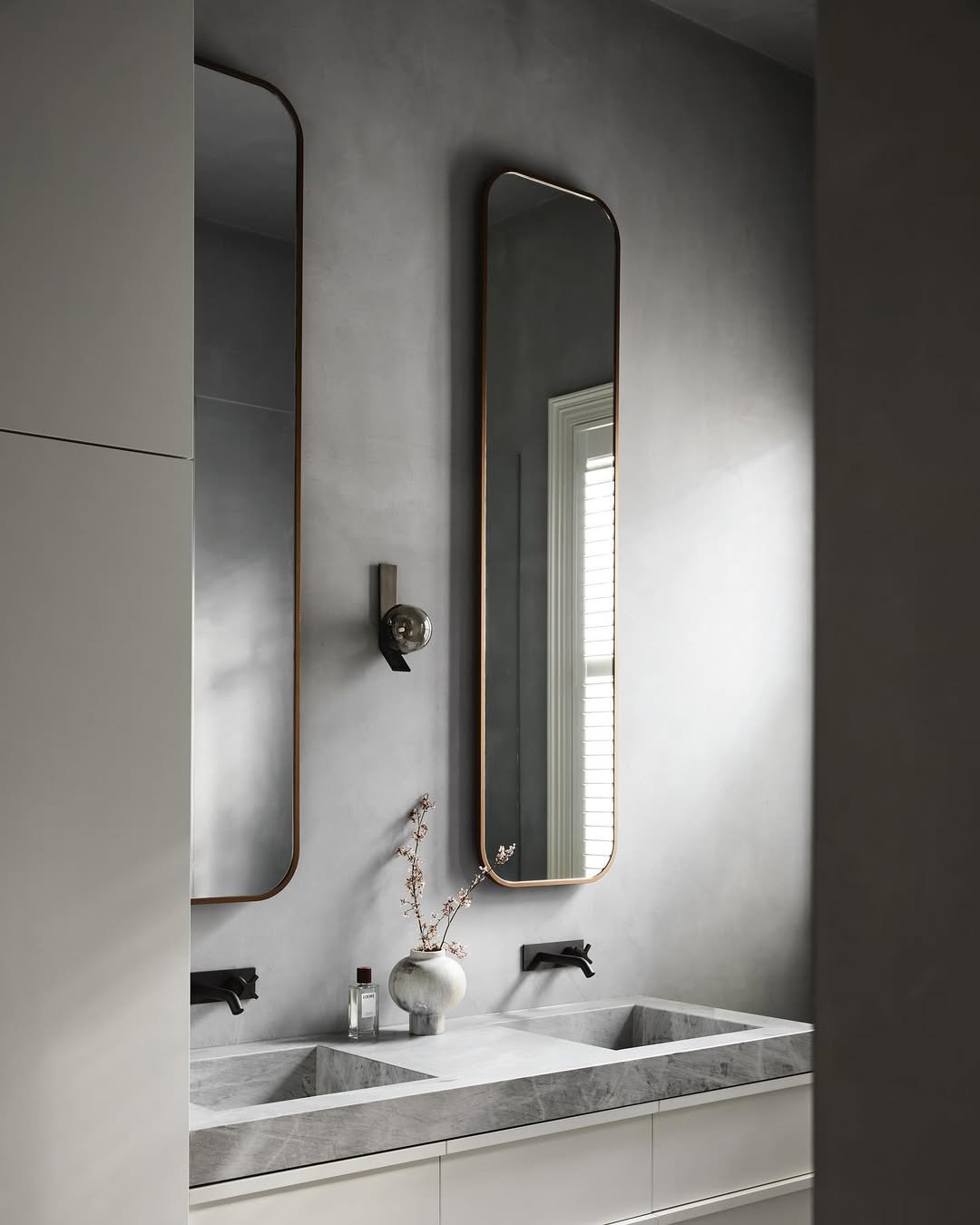
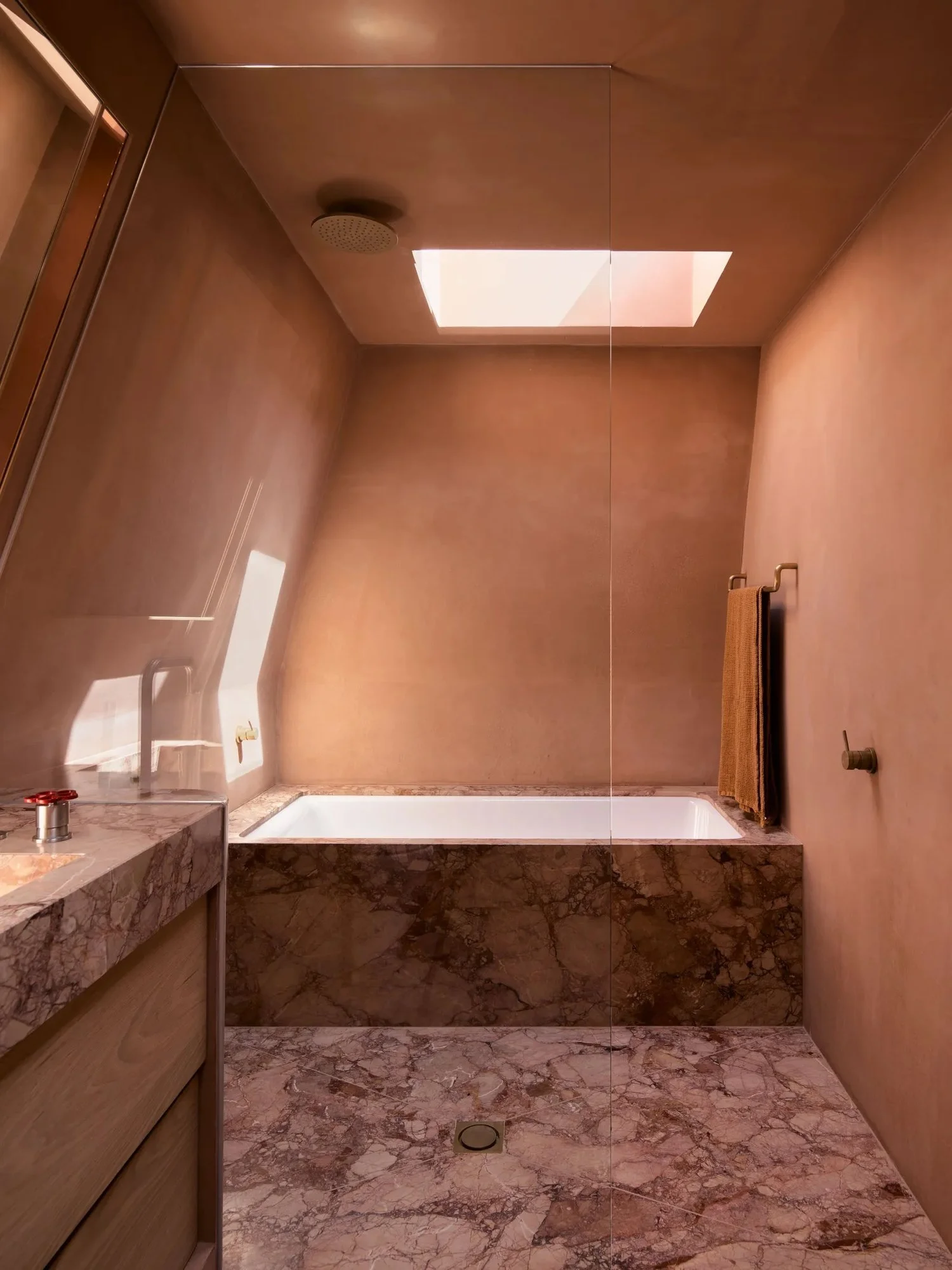
Here are 12 microcement bathroom design ideas.
How Much Does a Microcement Bathroom Cost?
The cost of a microcement bathroom can vary depending on several key factors. These include the size of the space, the complexity of the design, the condition of the existing substrate, and whether the application includes full wet-area waterproofing. Features such as custom joinery, curved walls, built-in benches, or integrated sinks can also influence the overall investment.
Installation skill plays a major role in both cost and outcome. Microcement is a hand-applied system that requires technical precision, surface preparation, and a clear understanding of waterproofing in wet areas.
While microcement may have a higher upfront cost than some basic finishes, it can offer renovation savings because it can be applied over existing tiles or substrates — demolition, waste removal, and re-sheeting costs are significantly reduced. This makes it an efficient option for bathroom remodels where minimizing disruption is a priority.
The bottom line is that microcement is a versatile and durable option for modern bathrooms. From its waterproof properties to its seamless appearance and easy maintenance, it’s a material built to last. If you’re considering X-Bond Microcement for your next bathroom project in the USA, get in touch so we can help you find an installer near you.