
12 Microcement Bathroom Ideas
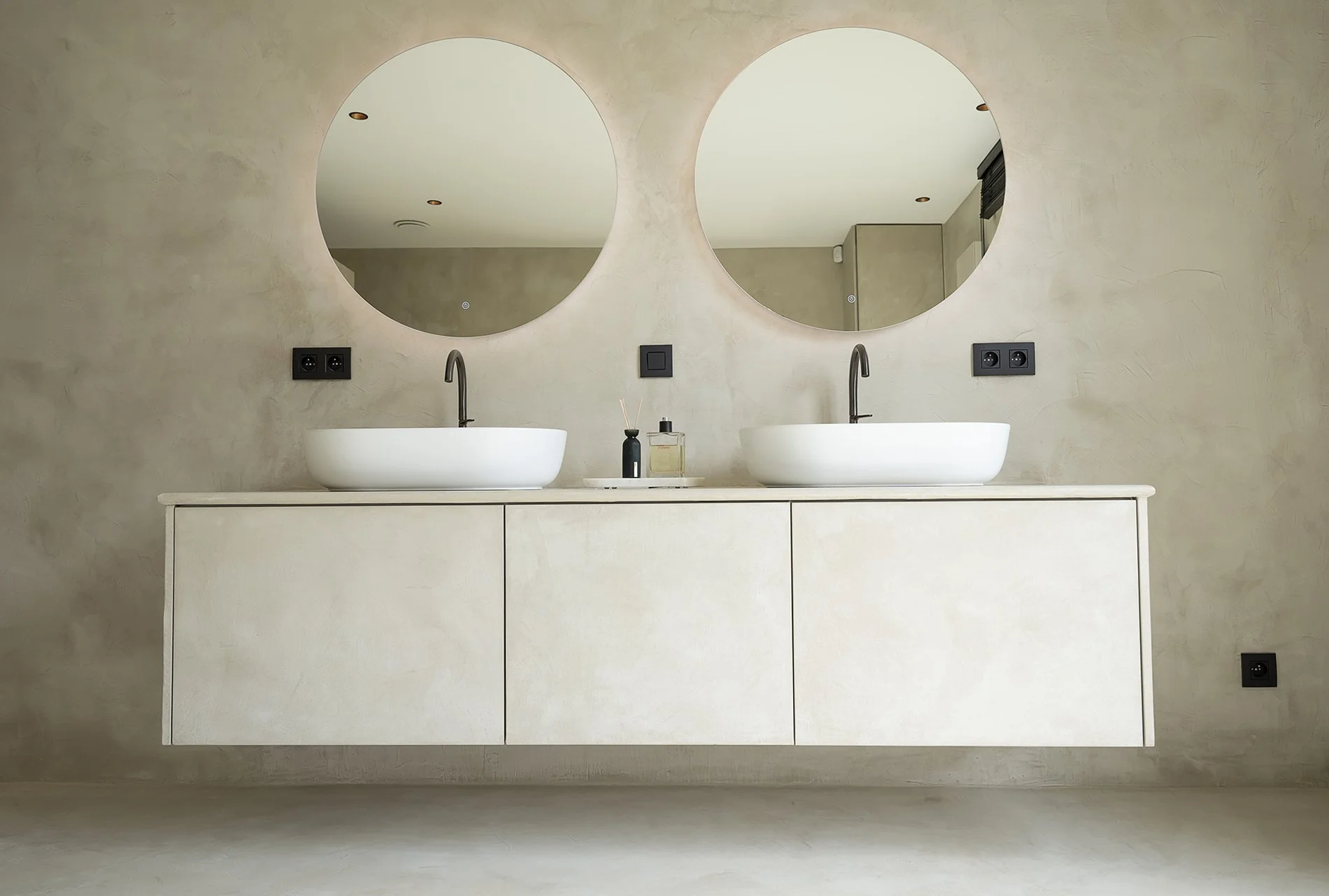
Microcement has become one of the most in-demand finishes for modern bathrooms — and for good reason. Whether you're renovating a functional ensuite or going for spa-like luxury, microcement delivers a surface unlike any other material. To inspire your next project, here are some of the best ways you can use microcement in the bathroom, which can all be achieved using our industry-leading system X-Bond.
Related Reading:
Microcement Trends & Inspiration Gallery
1. Seamless Microcement Shower Walls
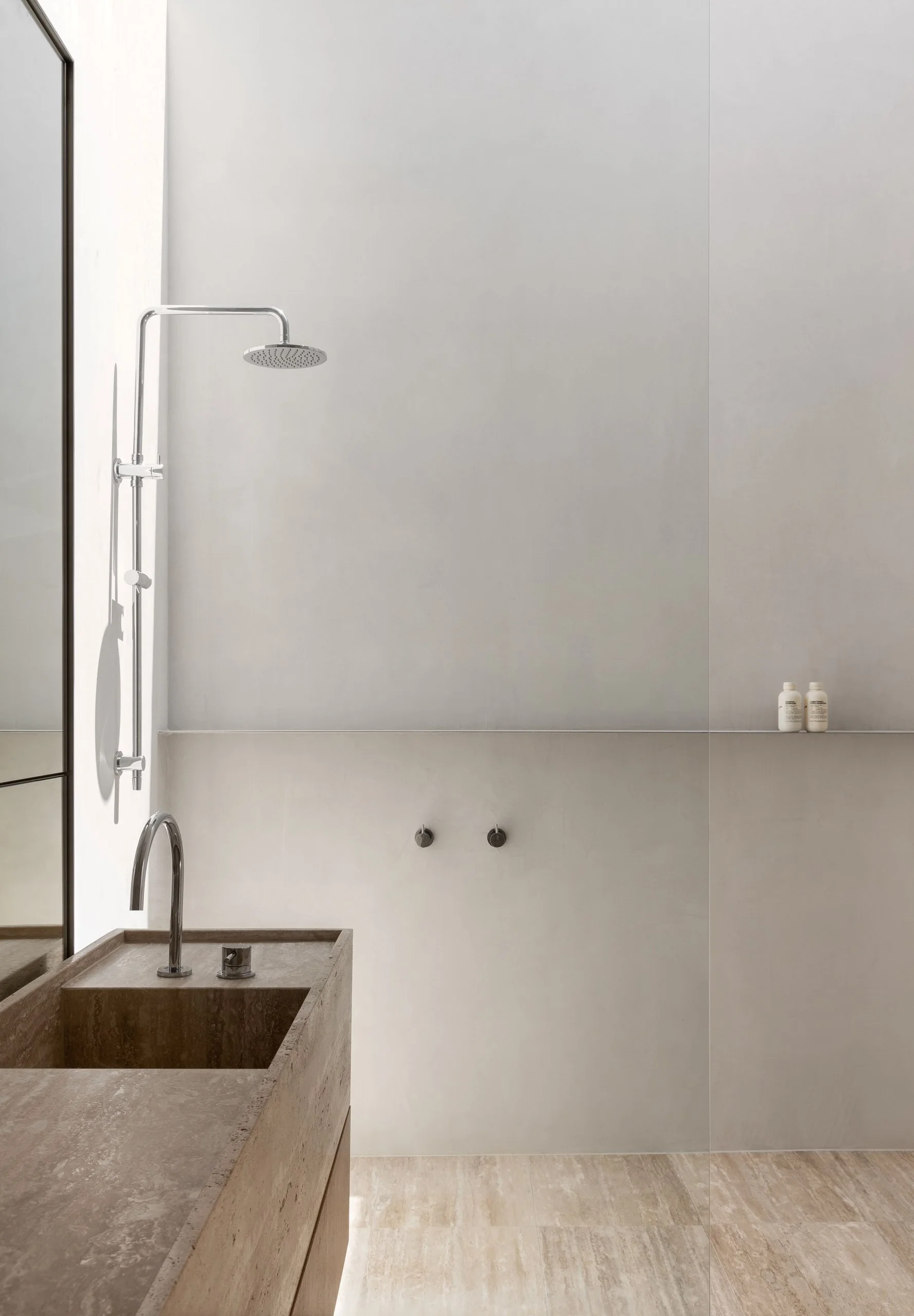
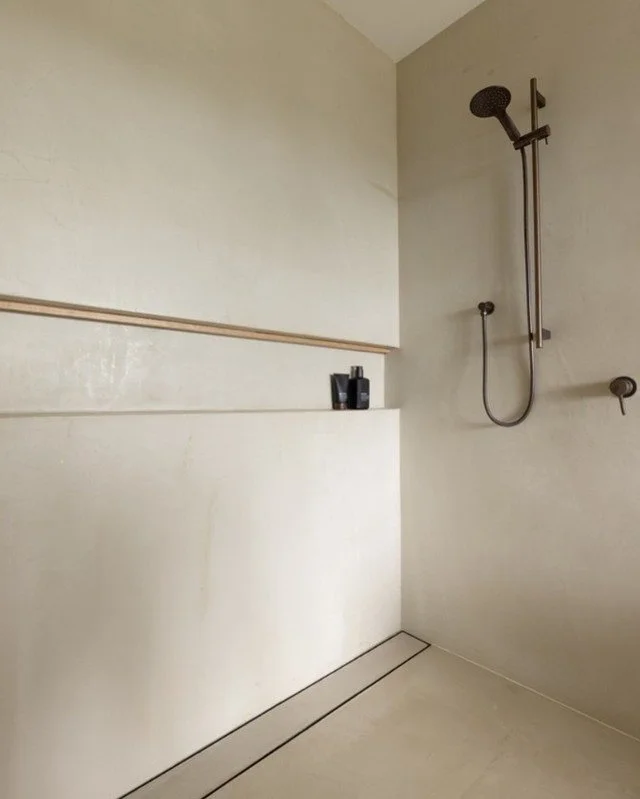
Say goodbye to grout lines. Microcement shower walls create a continuous surface that resists moisture and mould, and wraps showers with subtle texture. Read More: Why Microcement Showers Are a Great Bathroom Upgrade
2. Microcement Bathroom Floors
Smooth, slip-resistant, and able to be heated underfoot if required; microcement floors are where practicality meets architectural aesthetics.

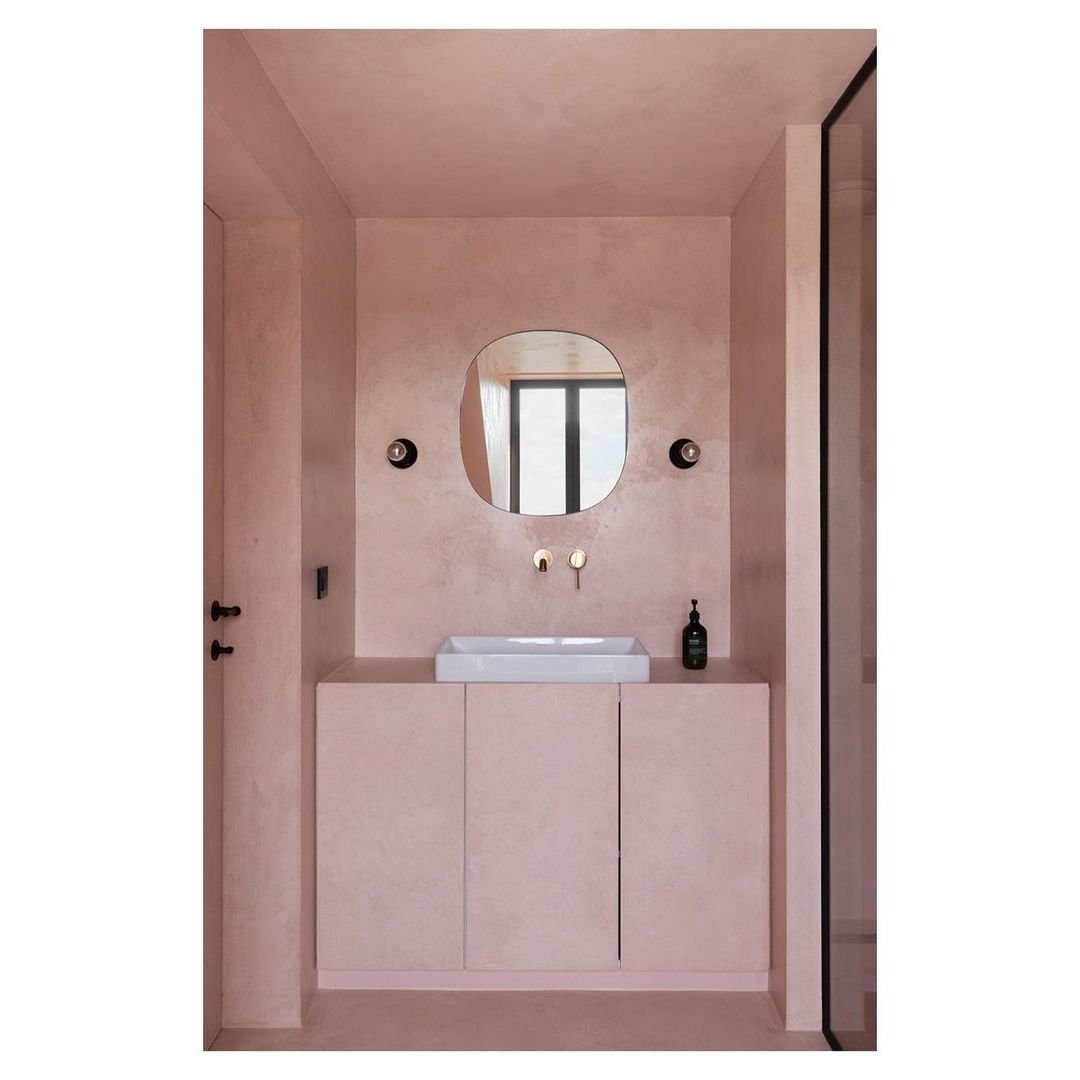
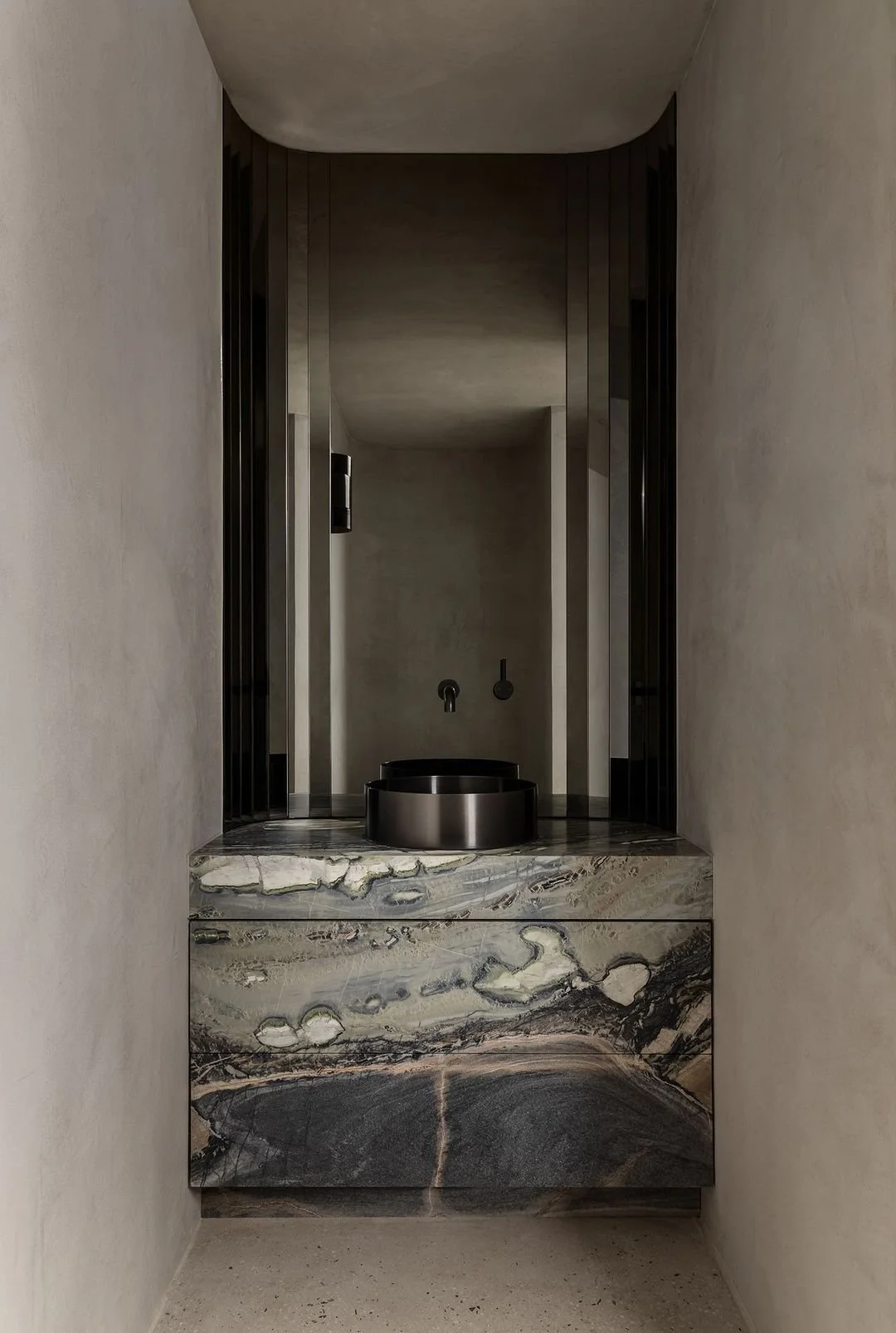
3. Monolithic Microcement Vanity
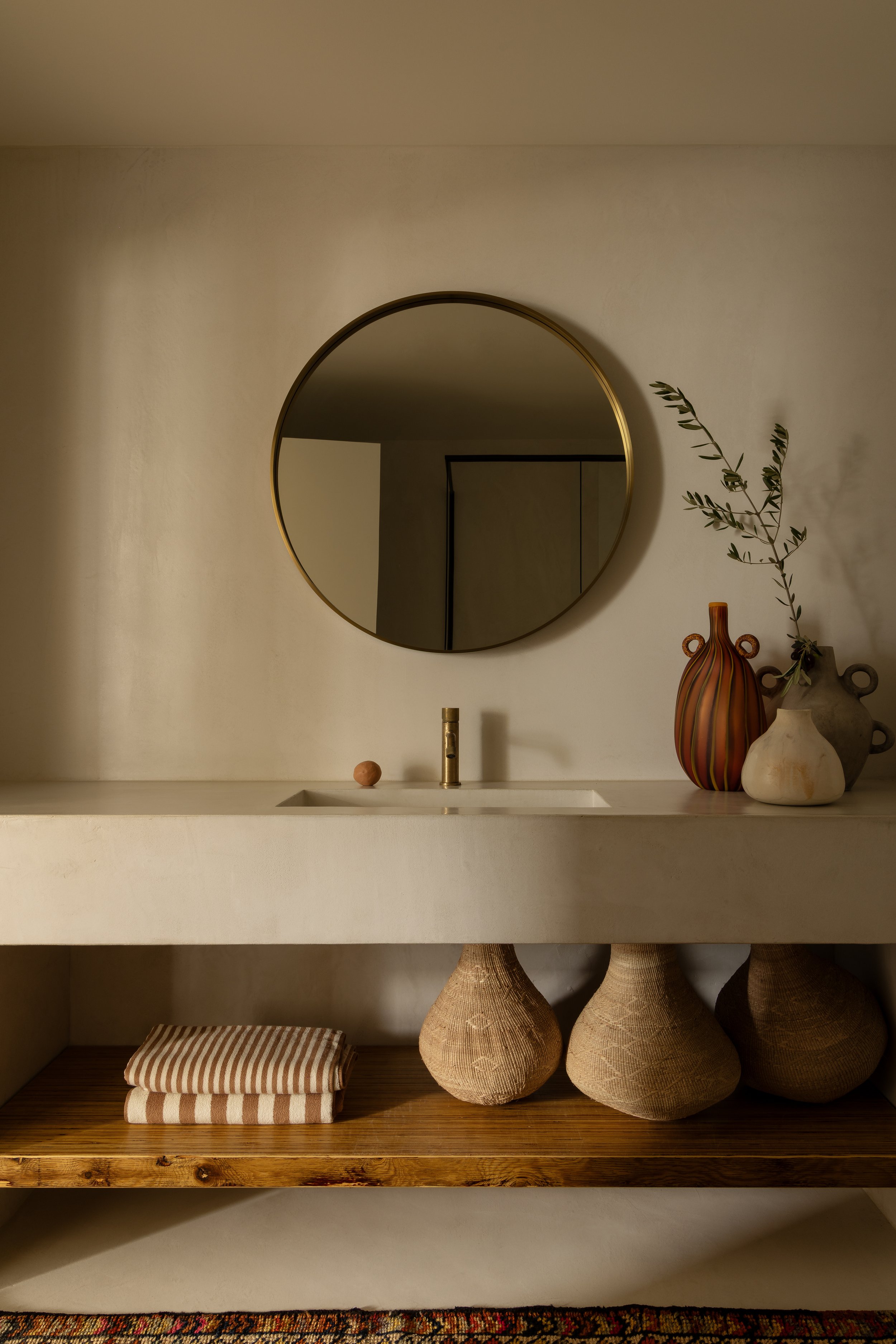
A custom vanity finished in microcement creates a sculptural look, especially if the rest of the space is also coated — your entire room appears carved from one material. You can even create a completely seamless integrated sink basin with X-Bond, a fully waterproof system offering exceptional durability for high-use wet areas.
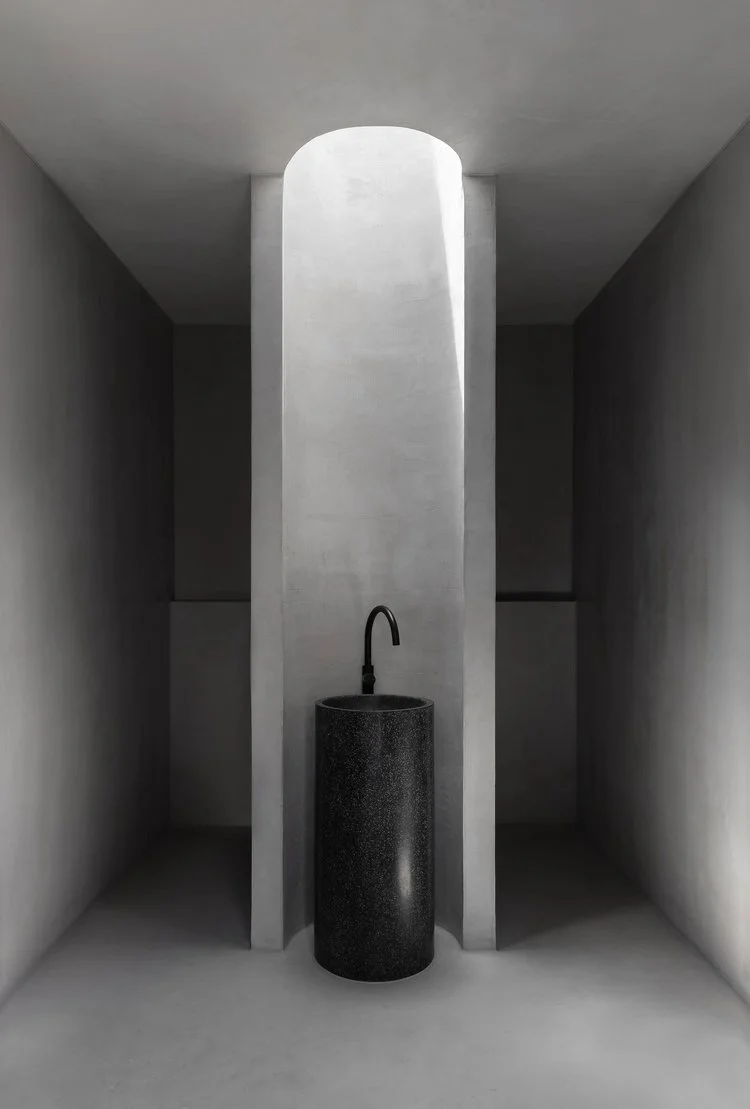
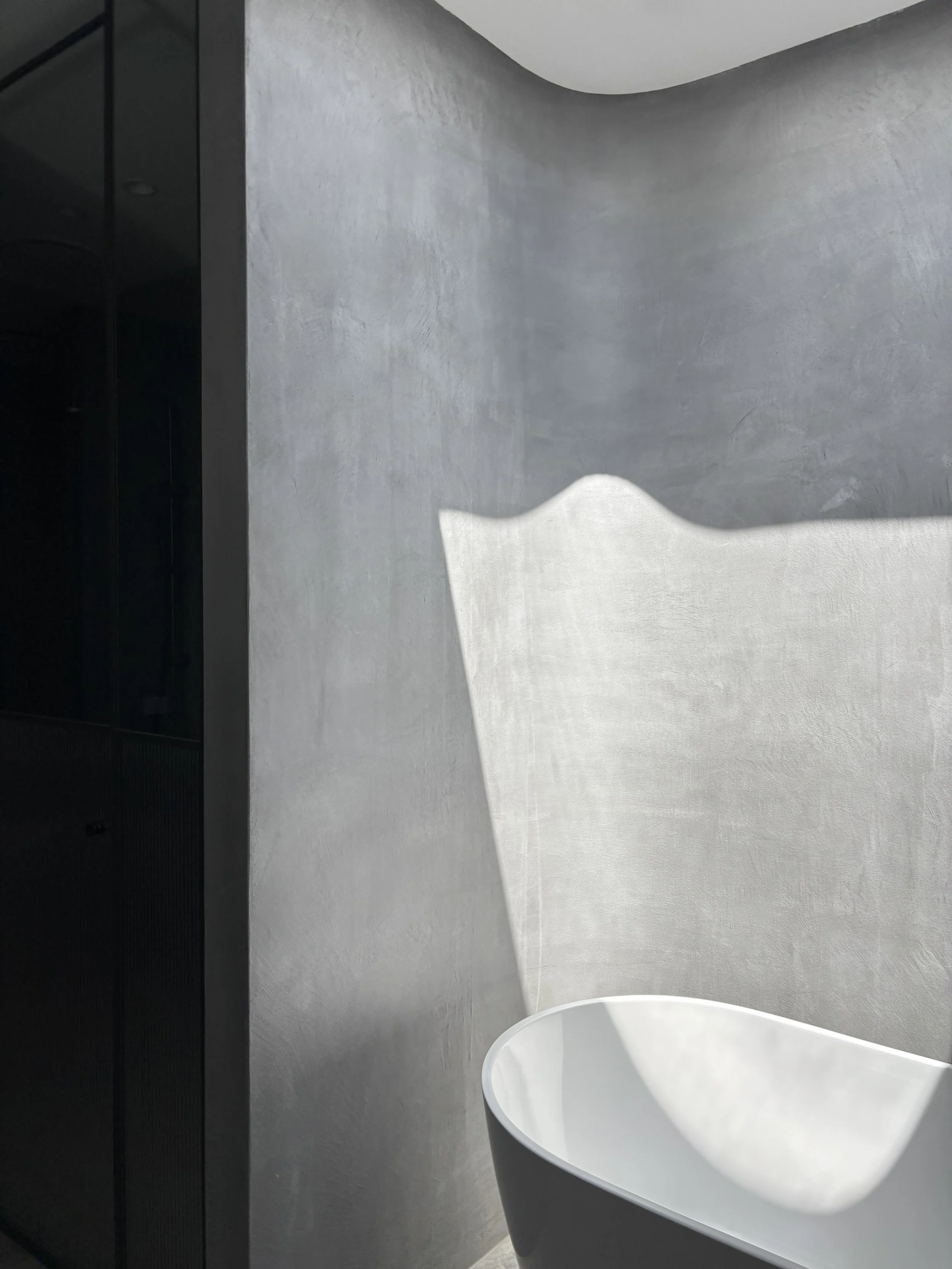
4. Curved Microcement Features
Curves are trending. As it’s hand-troweled, microcement adapts seamlessly to organic shapes. This makes it ideal for rendering rounded edges on joinery and feature walls.
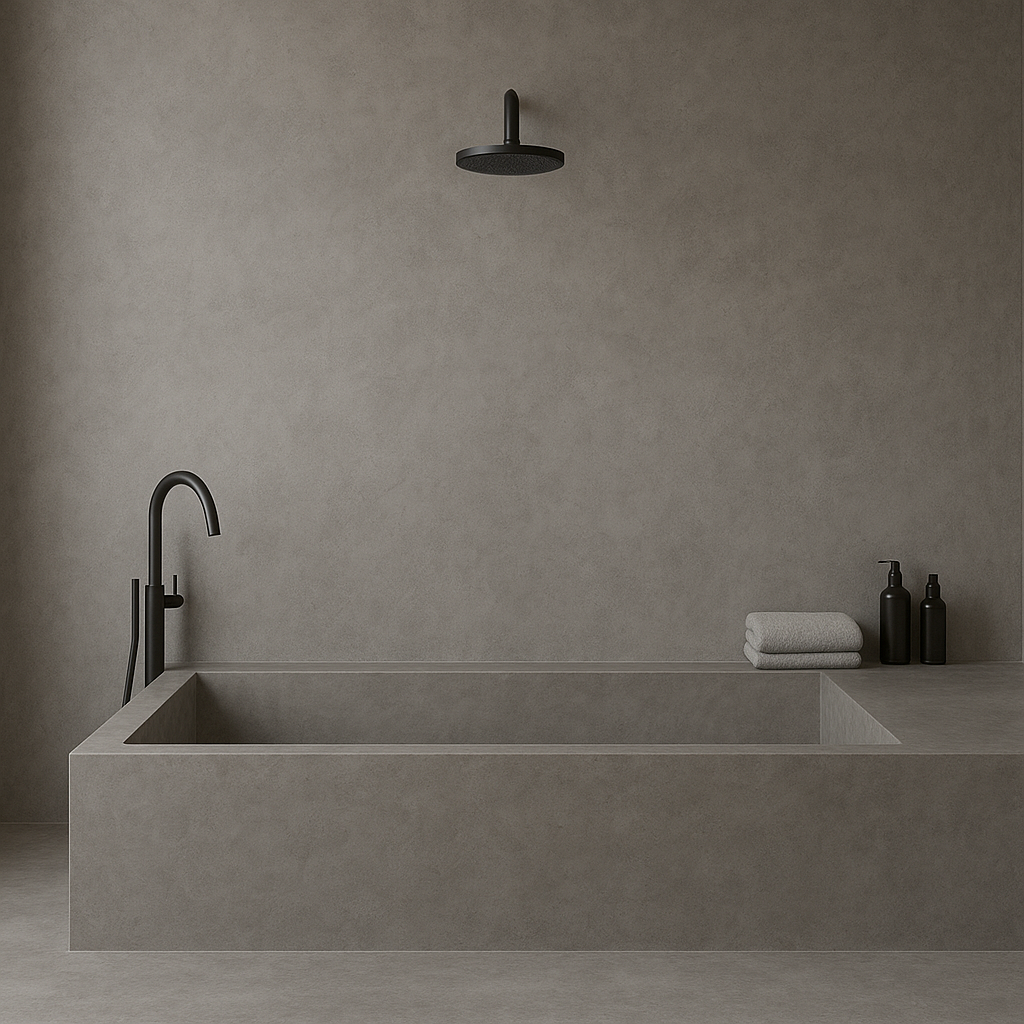
5. Microcement Bathtubs
Transform a basic bathtub into a sleek, built-in feature with a microcement surround. This is something you see often in modern interiors — swapping freestanding fixtures and furnishings for integrated elements within the architecture.
6. Dark & Dramatic Microcement Bathrooms
Charcoal or deep mocha microcement can turn your space into a moody sanctuary. It’s slightly against the norm for bathroom palettes, but that’s what makes it so striking. Dark colors can be just as versatile as neutrals, and create enveloping warmth. Think a sophisticated, intimate retreat from the ordinary — a space that feels luxurious and effortlessly modern.
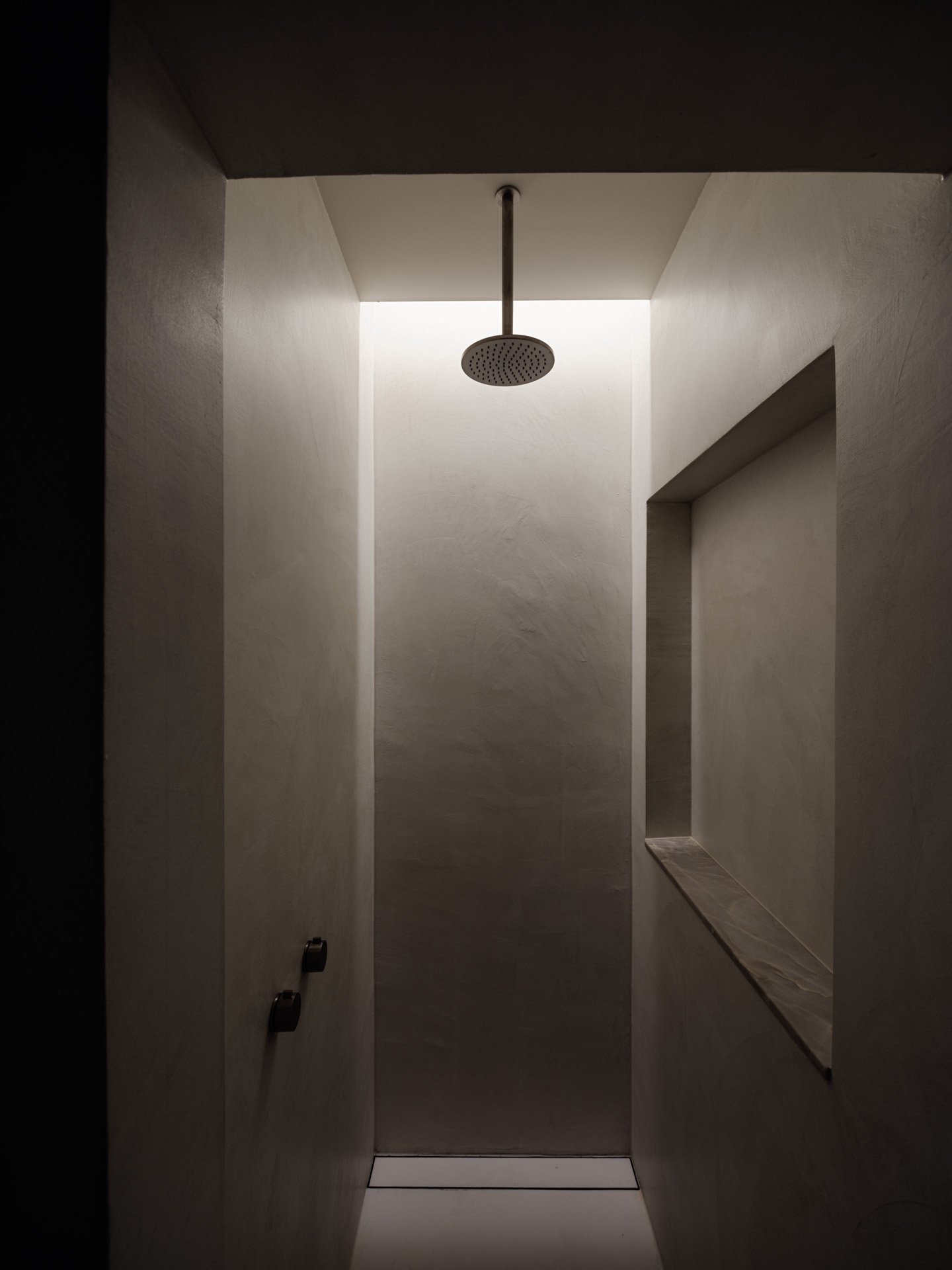
7. Microcement Niches
Add functional beauty with recessed shelves finished in microcement — also a great way to integrate storage into small showers. Perfect for housing your products without sacrificing your seamless, uniform surfaces.

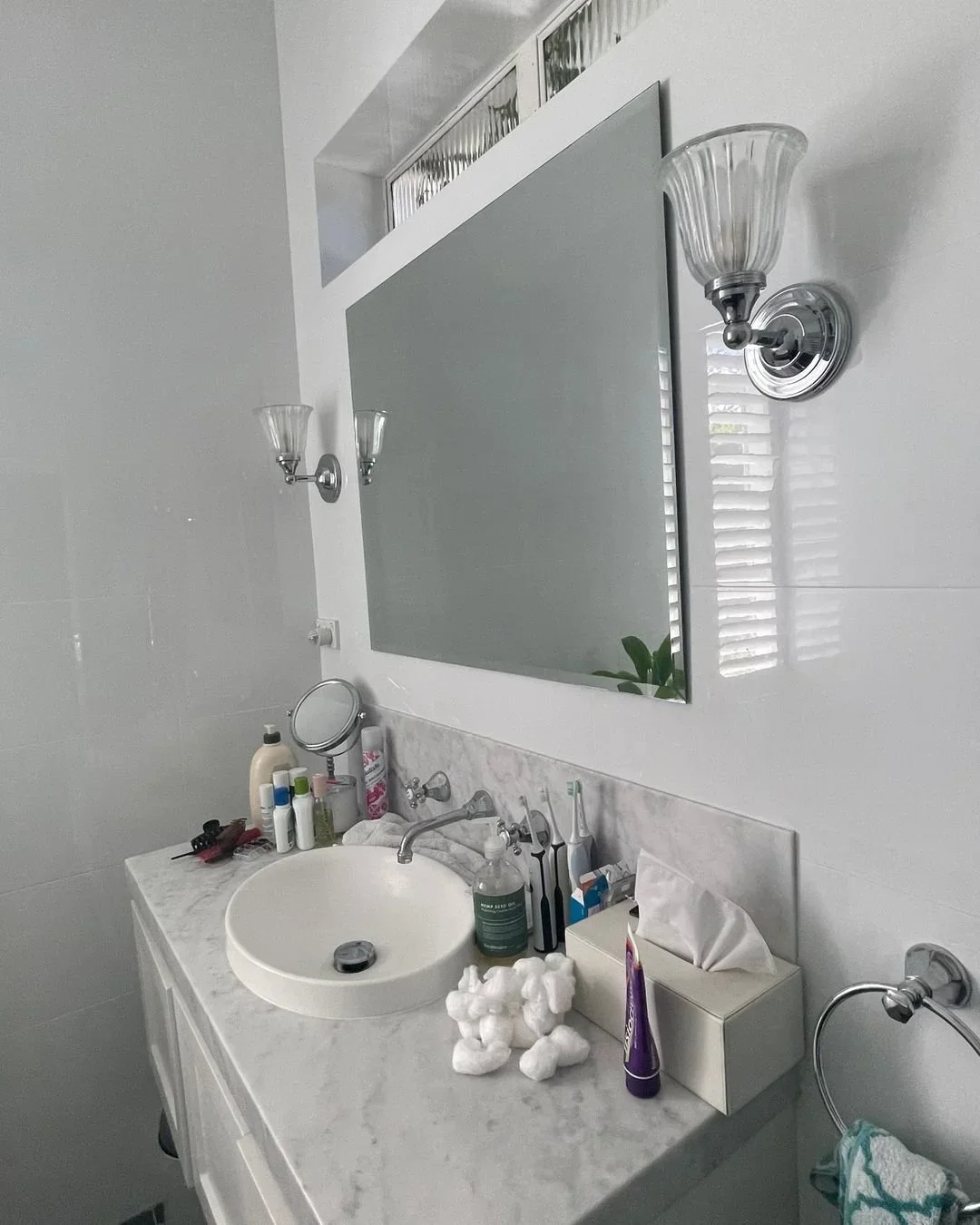
8. Tile Resurfacing
Tile resurfacing has become one of the most efficient and cost-effective ways to modernise a bathroom without the mess or expense of ripping out old tiles. Instead of removing existing tiles, you can apply our high-performance X-Bond Microcement system directly over the top, creating a sleek finish that looks like a brand new space.
This method is especially popular in renovations where the layout works but the tiles feel dated, worn, or overly patterned. With tile resurfacing, you keep the structure but completely transform the aesthetic.
Related Reading: Microcement vs. Tiles: Which is Better?
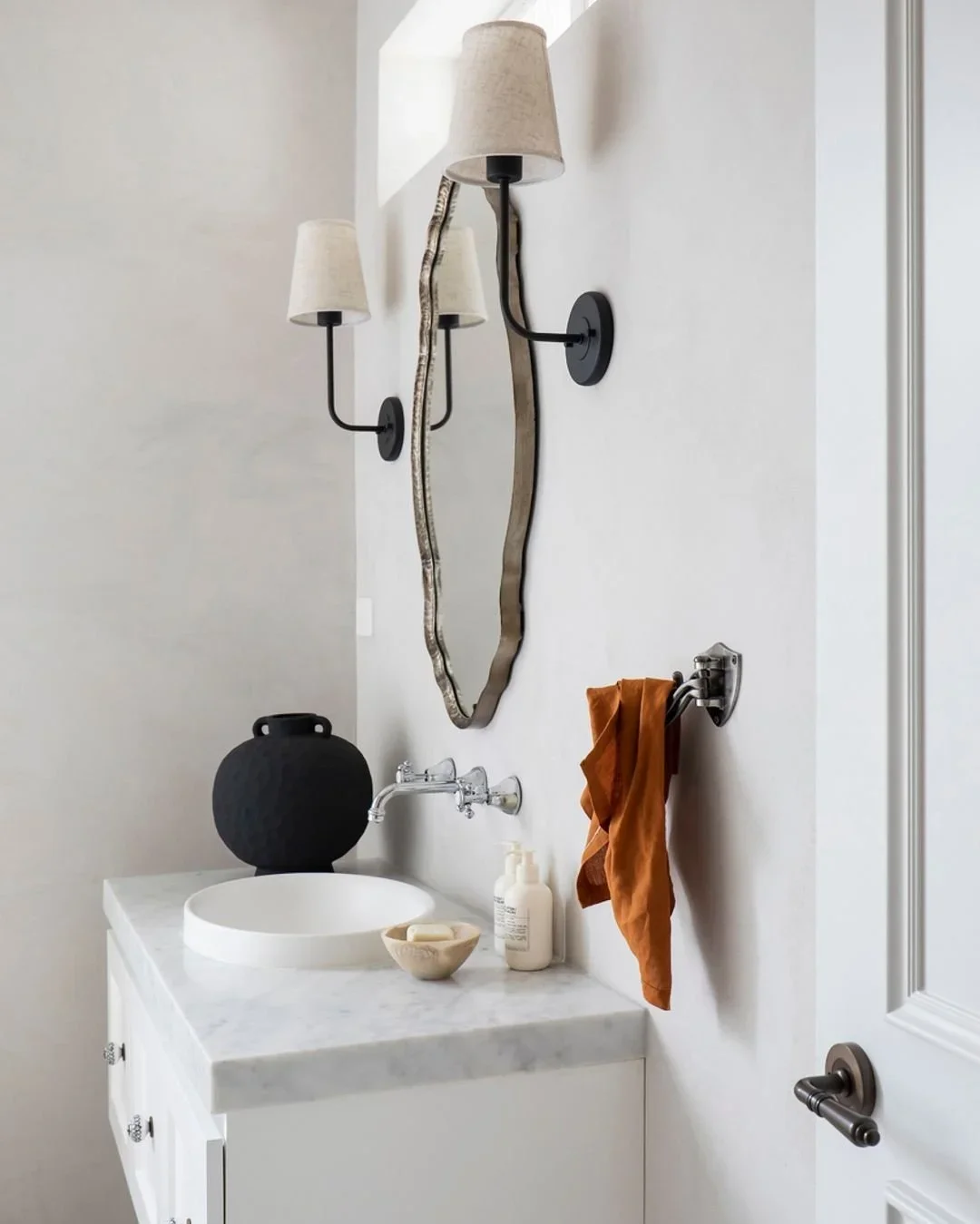
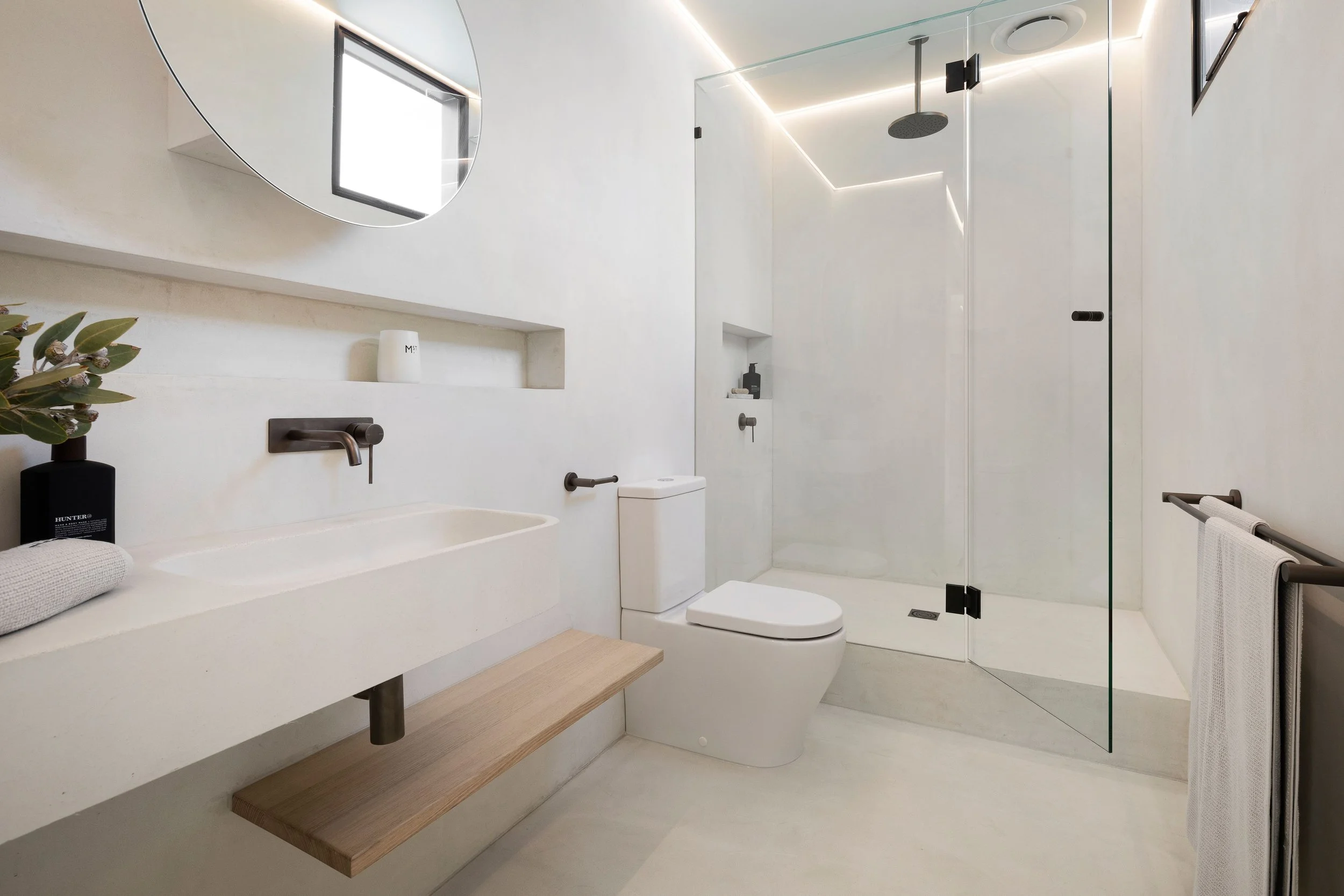
9. Minimalist All-White Microcement Bathroom
For 2025, Pantone’s official Colour of the Year was Cloud Dancer, an off-white that represents freshness and serenity. Embrace this with a clean, calming white bathroom palette that maximises light (a great choice for opening up small spaces).
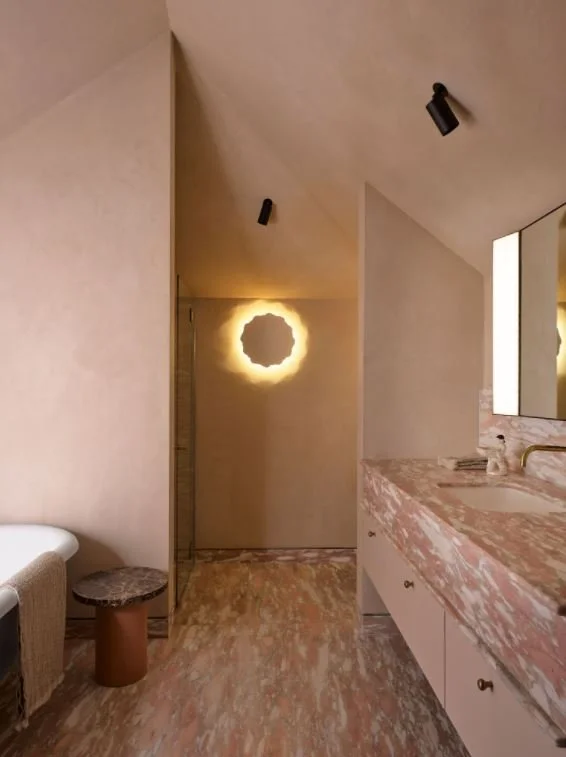
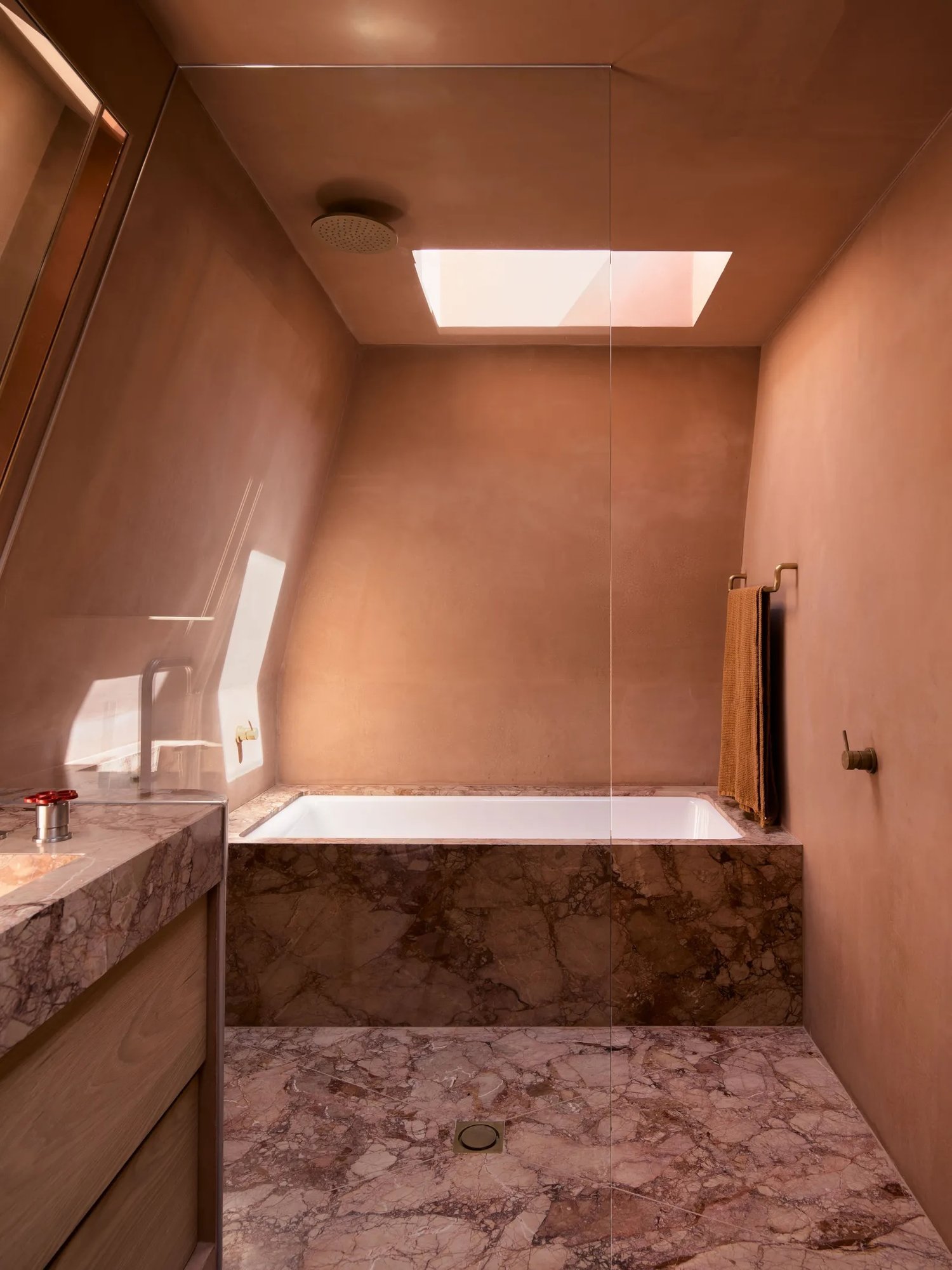
10. Color-Drenched Microcement
If Cloud Dancer isn’t your thing, we’ve had clients go for something far more playful with custom pigments that introduce a little more personality. Just because they need to be functional, doesn’t mean bathrooms can’t also be bold.
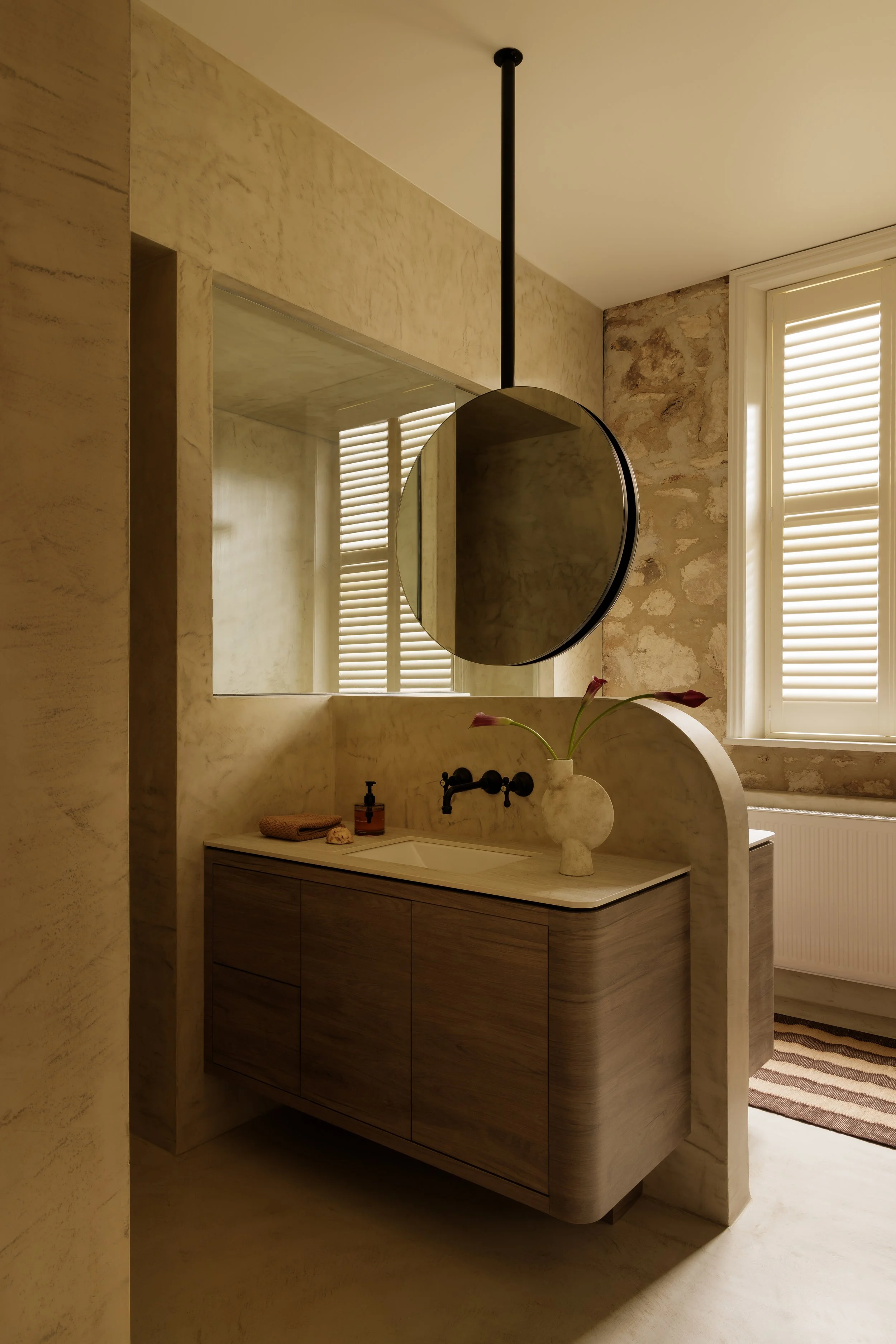
11. Half-Height Walls
A half-wall treatment adds dimension to your floorplan without committing to full coverage, creating interest using form and geometry rather than décor and ornamentation — the epitome of minimalist architecture.
12. Microcement Ceilings
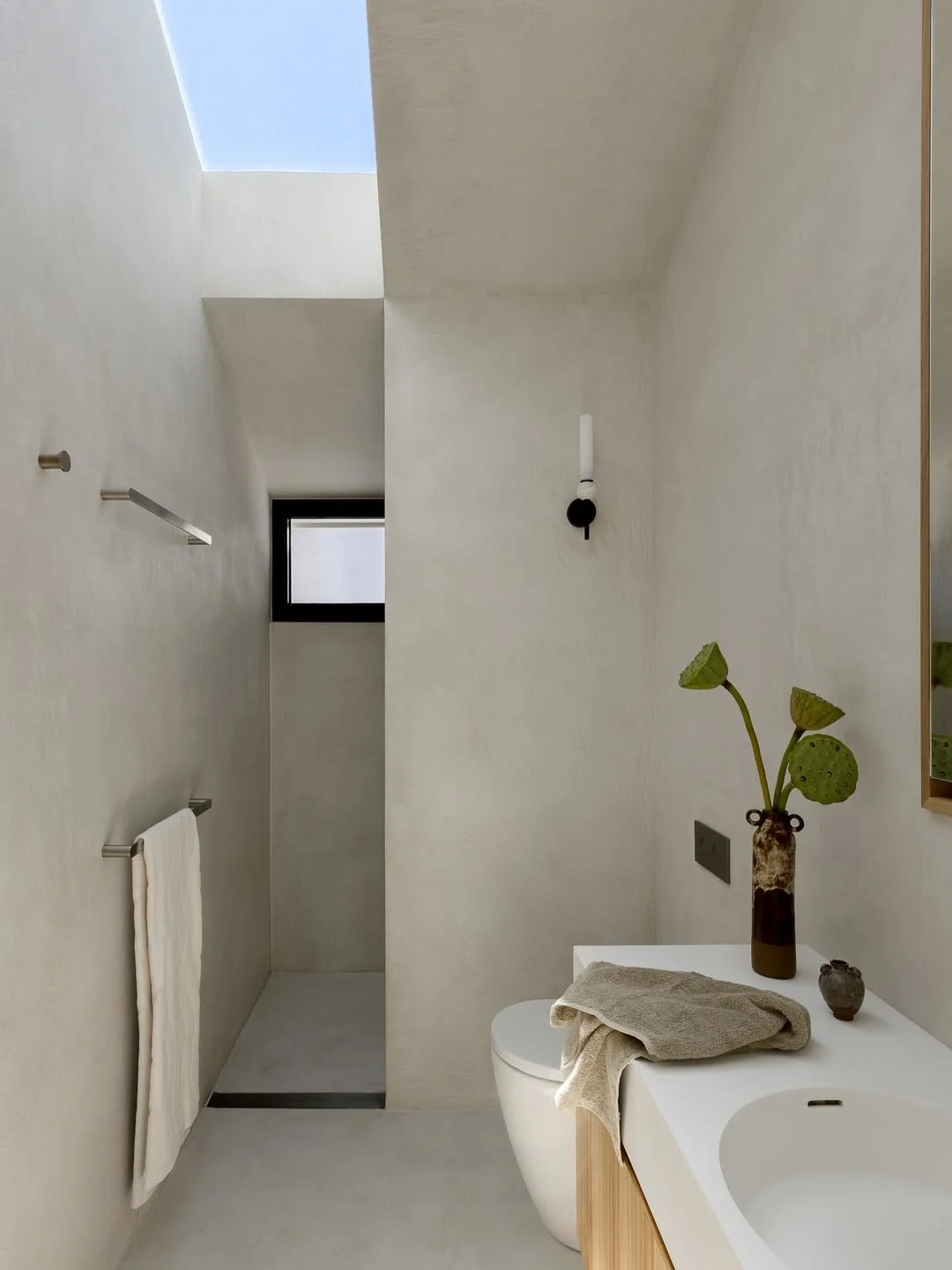
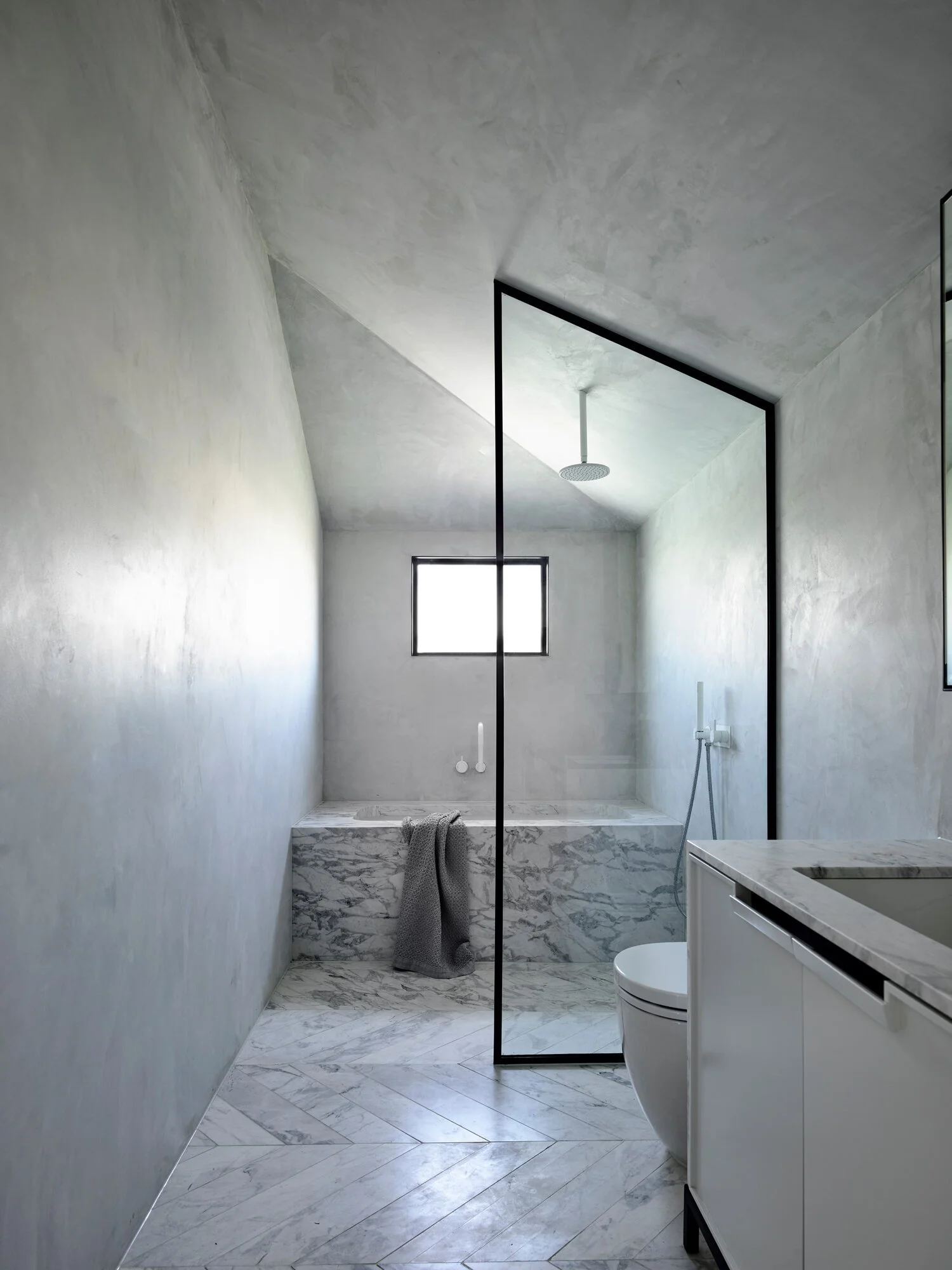
Microcement isn’t just for walls and floors. Carrying the finish onto the ceiling creates a cocooning, architectural effect that elevates the entire room. It’s an unexpected design move that blurs boundaries and makes even compact bathrooms feel intentional and high-end.
A continuous ceiling treatment also draws the eye upward, perfect for highlighting skylights or structural curves. It’s a subtle way to turn a functional space into a fully immersive, gallery-like experience.
FAQ
1. Is microcement waterproof enough for bathrooms and showers?
Yes — when applied with the correct system, microcement is fully suitable for bathrooms, wet rooms, and enclosed showers. Our X-Bond system is engineered to be used with our liquid waterproofing membrane — which is also a flexible anti-fracture membrane — making it ideal for high-moisture environments. It’s then sealed with our SEMCO sealers to further prevent water penetration and mold growth.
2. How long does microcement last in a bathroom?
When applied with a high-performance system like X-Bond and maintained correctly, microcement can last for decades even in busy family bathrooms. X-Bond’s strong, polymer-modified formula makes it resistant to wear, staining, moisture, and daily impacts. Regular cleaning with pH-neutral products is typically all that’s required to keep it looking pristine. In bathrooms, you should also take care to wipe up product spills.
3. How much does microcement cost for a bathroom renovation?
The cost of microcement installation varies depending on the size of the space, areas being surfaces, substrate, complexity of the design, and the level of preparation required. As a general guide, microcement is typically comparable to high-quality tiles. Because it can be applied over many existing surfaces and reduces demolition, it often results in lower overall renovation costs. For an accurate estimate, it’s best to request a project-specific quote.