
2026 Flooring Trends for Modern Interiors
In a time when trends are embraced, abandoned, and revived at record speed, forecasting what’s next has become more difficult. And in the design world — where timelessness matters — the need to distinguish between fleeting phases and lasting ideas is more important than ever.
Flooring is often an area that is overlooked, and most people stick to the classics. While we love timber floorboards and carpet, there are so many opportunities to make bigger design statement.
In 2026, we think that flooring will become a defining interior design feature. We’re seeing designers prioritizing interesting visual elements with seamless transitions, unexpected textures, and materials that feel innovative yet enduring.
Let’s get into the top flooring trends we want to see in modern interiors this year.
1. Seamless Surfaces (e.g. Microcement)
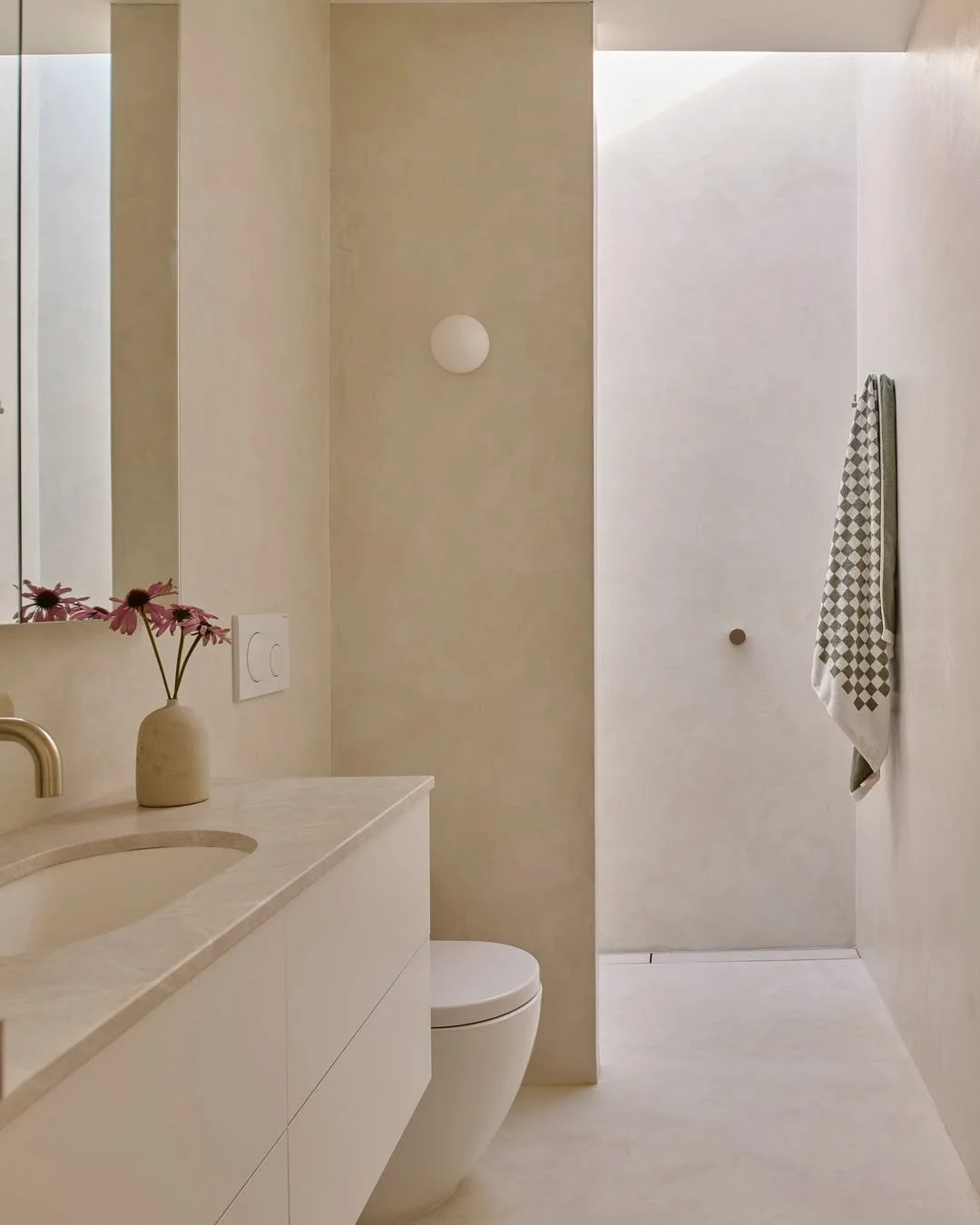
Many minimalist designers are moving away from grout lines, heavy patterns, and visual interruptions. Instead, they’re choosing seamless surfaces that create flow throughout the home.
Why seamless flooring is trending:
Creates a larger visual footprint and sense of expansion
Enhances minimalist architecture
Works beautifully in open-plan spaces
Allows indoor-outdoor continuity
Low maintenance compared to tiles
Microcement: The standout material of 2026
Among seamless materials, microcement flooring is leading the trend.
Microcement is a thin, hand-applied cement-based coating that can be installed over existing substrates. It delivers a refined, natural look without demolition — making it ideal for both renovations and new builds.
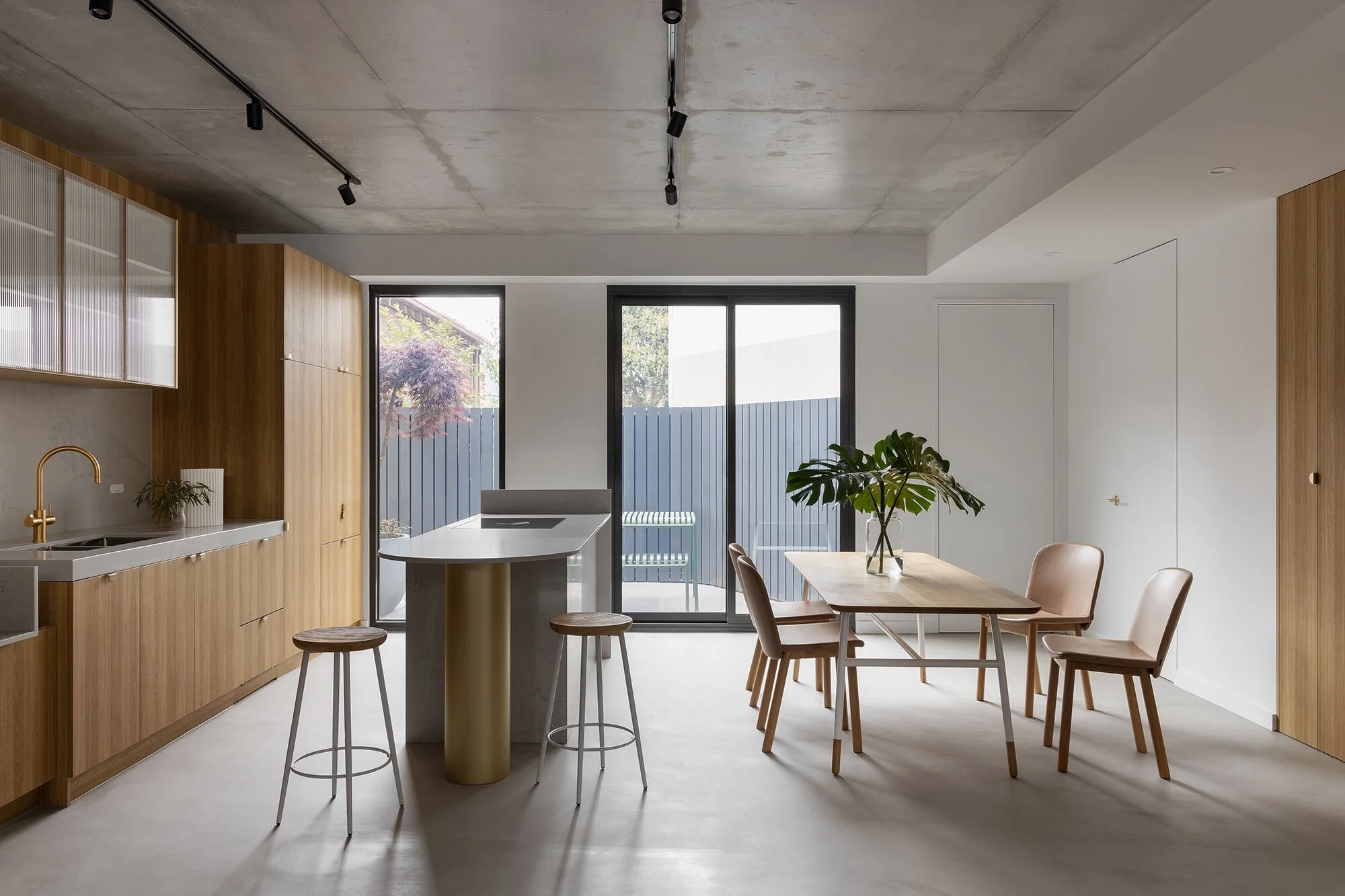
Why designers love SEMCO X-Bond:
Ultra-modern, monolithic appearance
Applied by hand over existing substrates (including bathroom tiles)
Wide range of color finishes
Compatible with underfloor heating
Durable and waterproof
With over 30 years of experience as US Microcement Suppliers, we’ve seen firsthand that microcement is one of the most versatile hand-applied finishes on the market — used not only for floors, but also for walls, joinery, ceilings, and even built-in furniture, creating fully integrated architectural spaces.
Microcement flooring isn’t just a trend; it’s becoming a design standard for modern interiors.
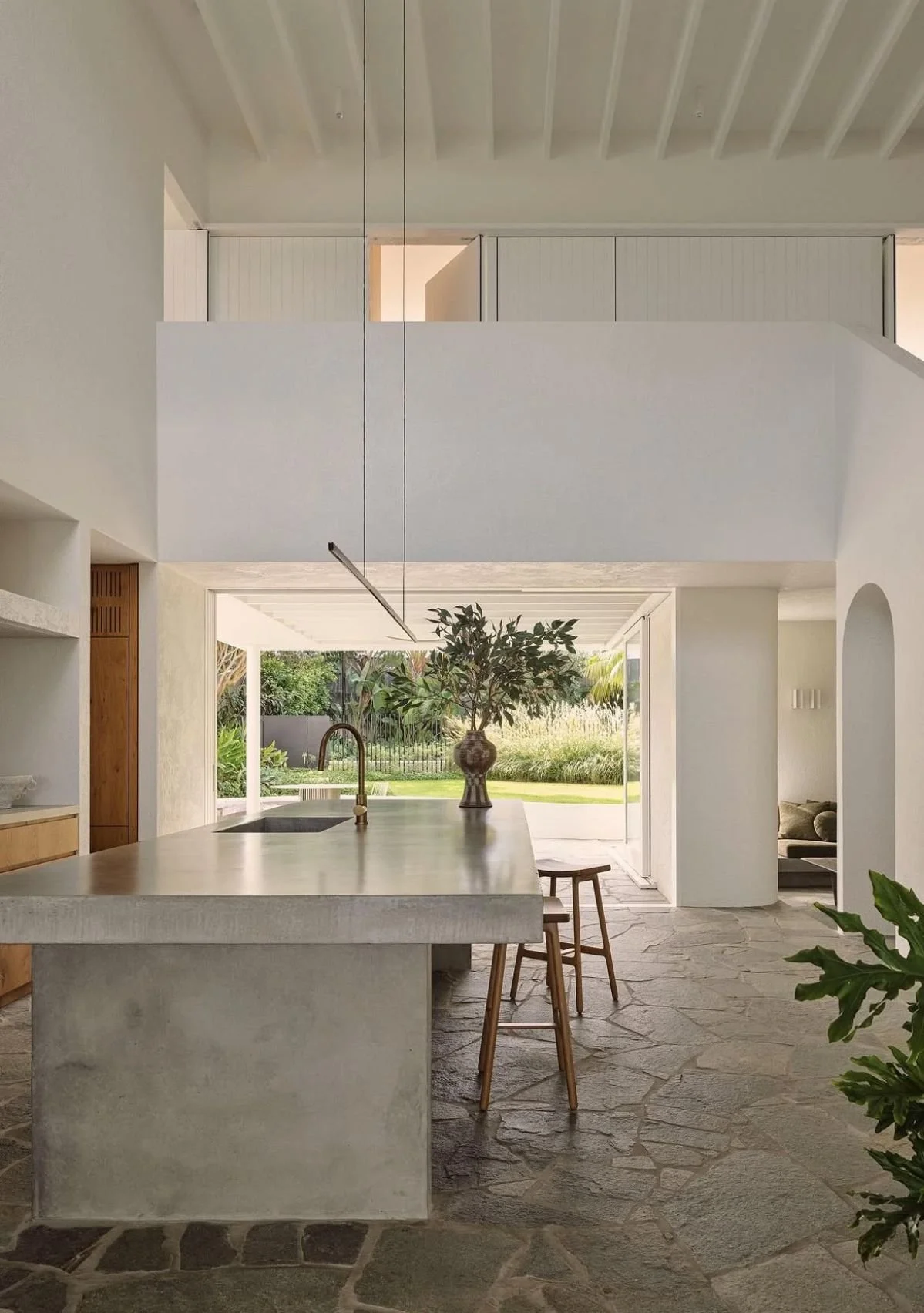
2. Organic Stone Pavers
This is a bit of a contrast to seamless finishes… But that’s exactly what makes design so exciting right now — there’s no single aesthetic dominating.
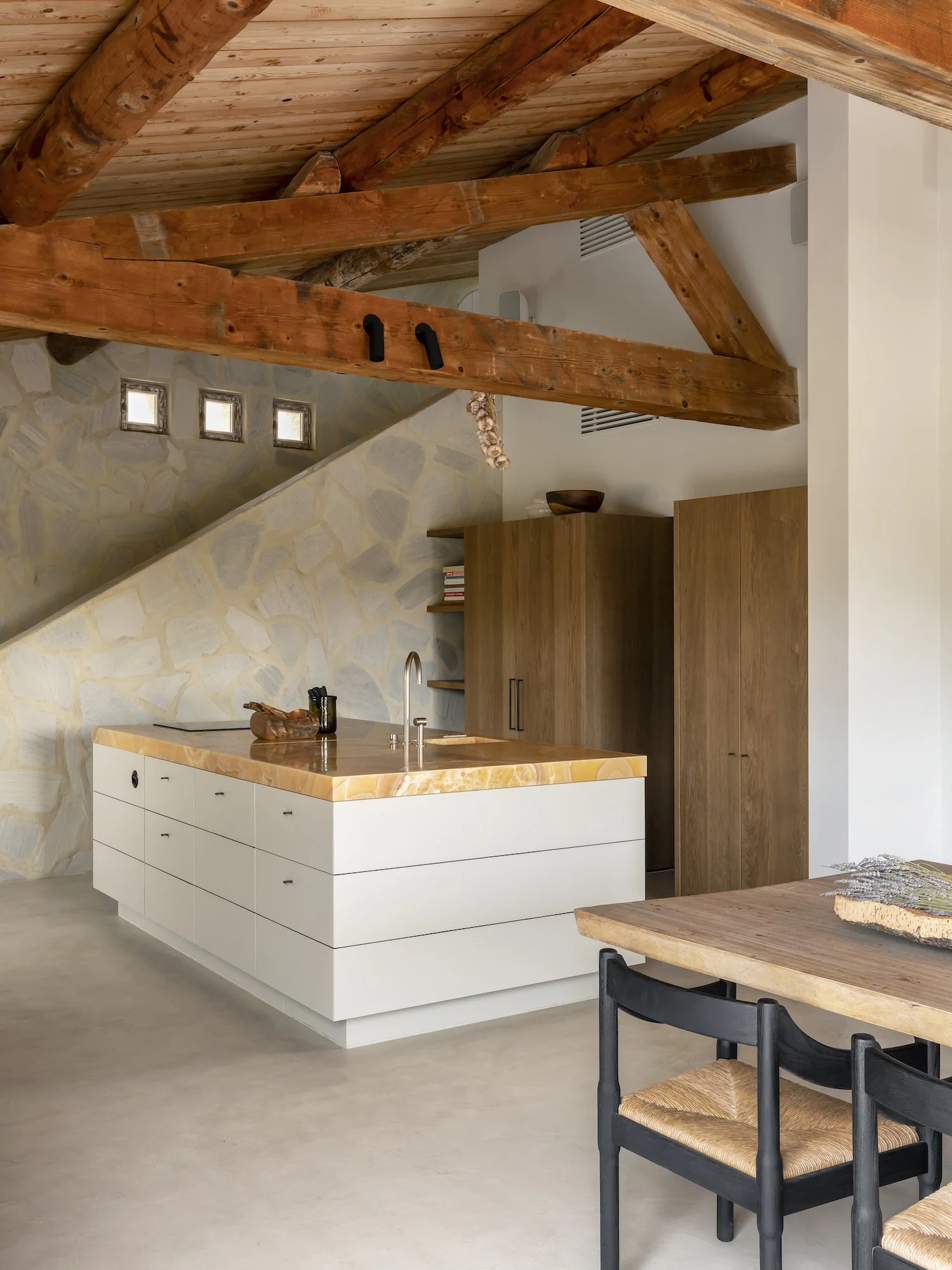
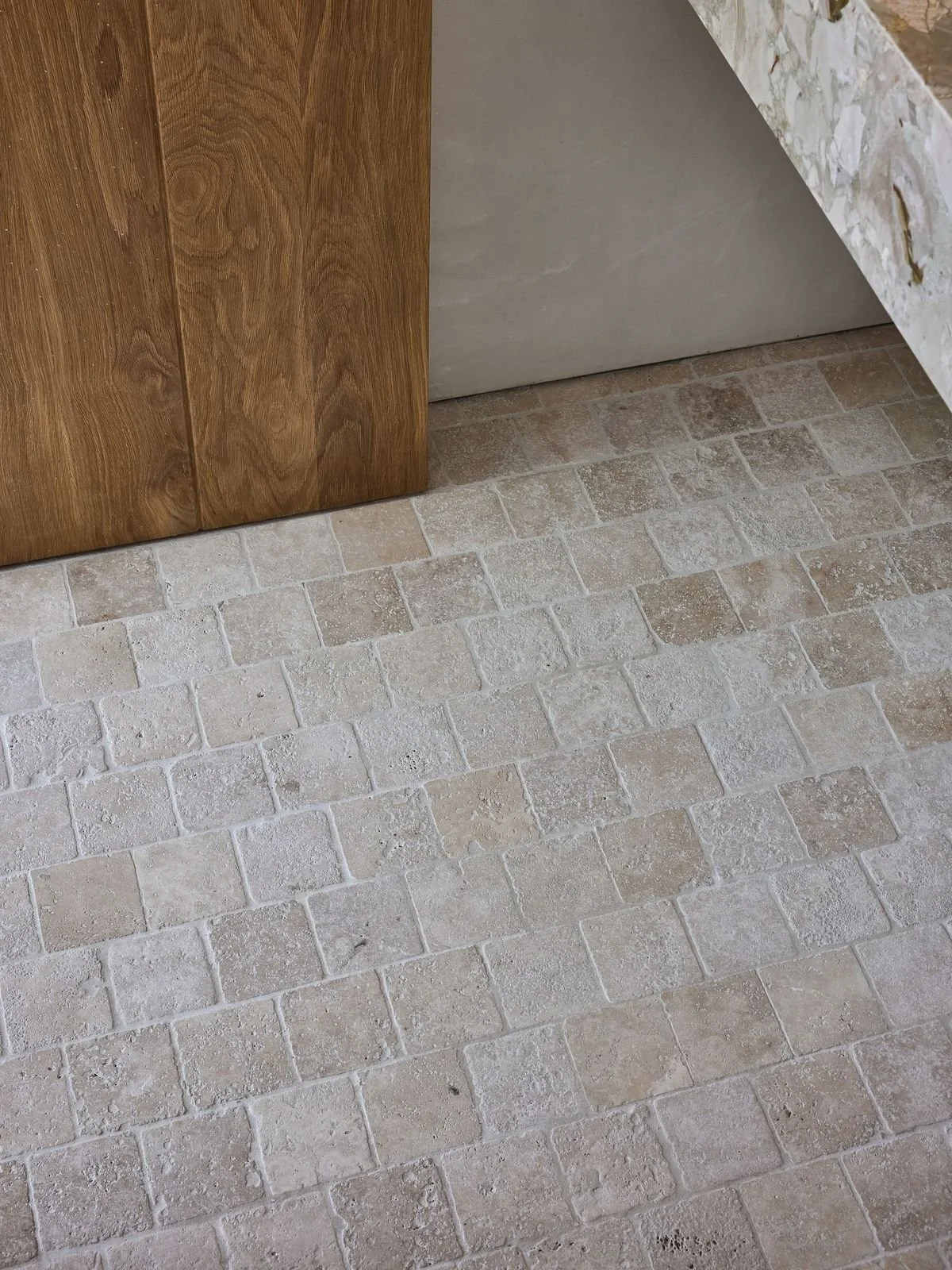
Stonemasons are achieving remarkable results with paving in interiors, where materials once reserved for practical outdoor use are now being reimagined as design features. Think cobblestone, crazy-cut bluestone, and even terracotta bricks.
The result is flooring that feels timeworn, tactile, and deeply connected to nature with irregular edges and natural movement.
Why stone paving is trending for interior flooring:
Celebrates imperfection and variation (in line with contemporary design movements)
Adds texture, depth, and warmth to minimalist spaces
Durable and robust materials
Connects interiors to the landscape
As design shifts away from sterile perfection, natural stone paving offers authenticity. No two pieces are identical, and that’s exactly the point.
3. Checkered Patterns
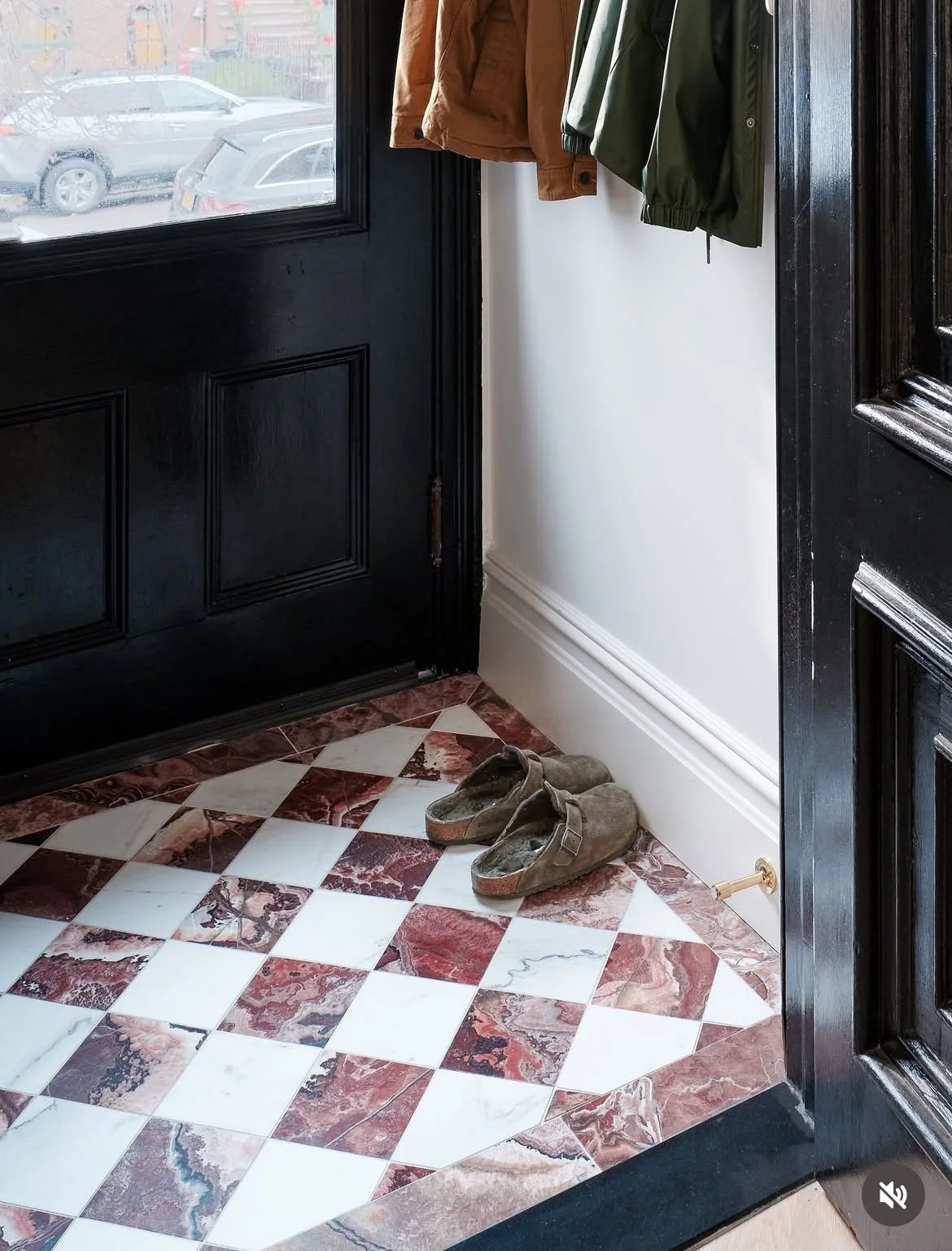
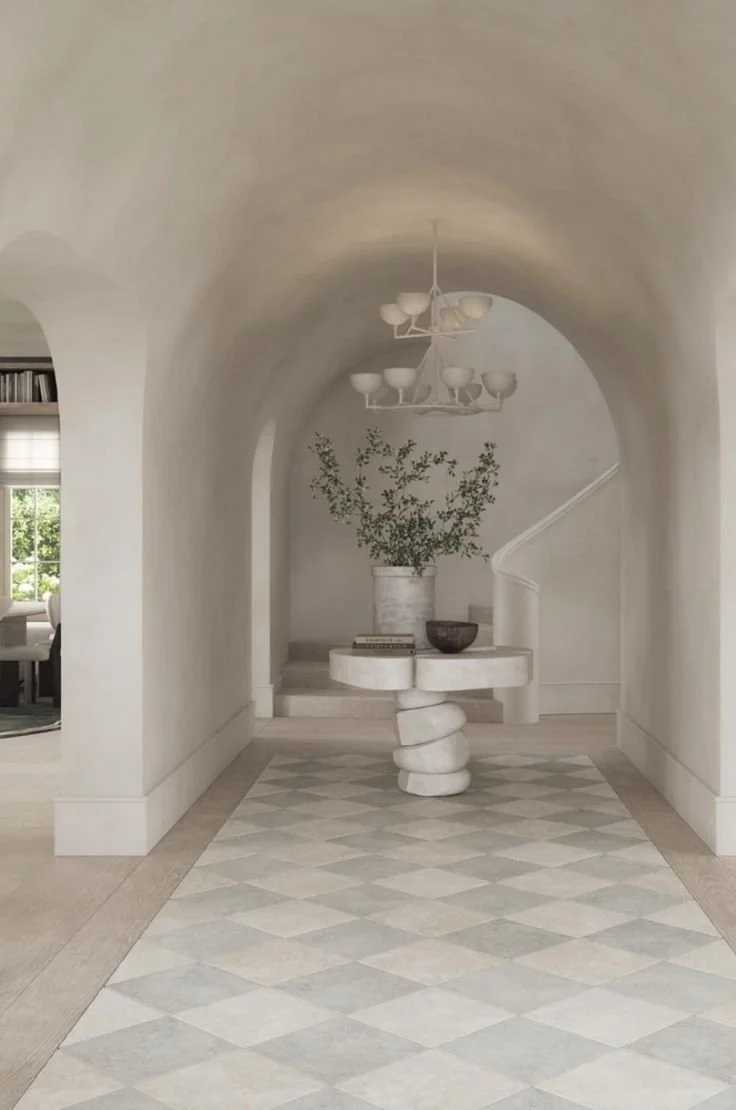
Traditionally associated with vintage diners or European foyers, checkered flooring is now appearing in modern homes — from bathrooms to kitchens and hallways — as a graphic, playful addition.
Why checkered flooring is trending again:
Timeless vintage-inspired appeal
Strong architectural presence
Works in both traditional and contemporary builds
Brings structure and rhythm to neutral spaces.
The 2026 interpretation moves beyond black and white vinyl, with all kinds of combinations that redefine the relationship between pattern, texture, and space — from tile mosaics to large limestone slabs or marble explorations.
4. Indoor–Outdoor Flow
As outdoor living continues to expand, interior flooring is being selected with that transition in mind. Designers want the same material inside and outside, flush thresholds, and visual continuity through sliding doors.
Finishes that work both inside and outside (like the stone paving mentioned above) are therefore becoming increasingly popular, allowing spaces to feel cohesive, expansive, and seamlessly connected to the landscape.
Microcement is actually ideal for this approach, with systems suitable for both interior use and exposure to weather and elements. In regions all over the US — from California to Florida to New York — our cement-based surface coating offers:
Waterproof protection
UV resistance
Slip-resistant options
Low maintenance

5. Terrazzo
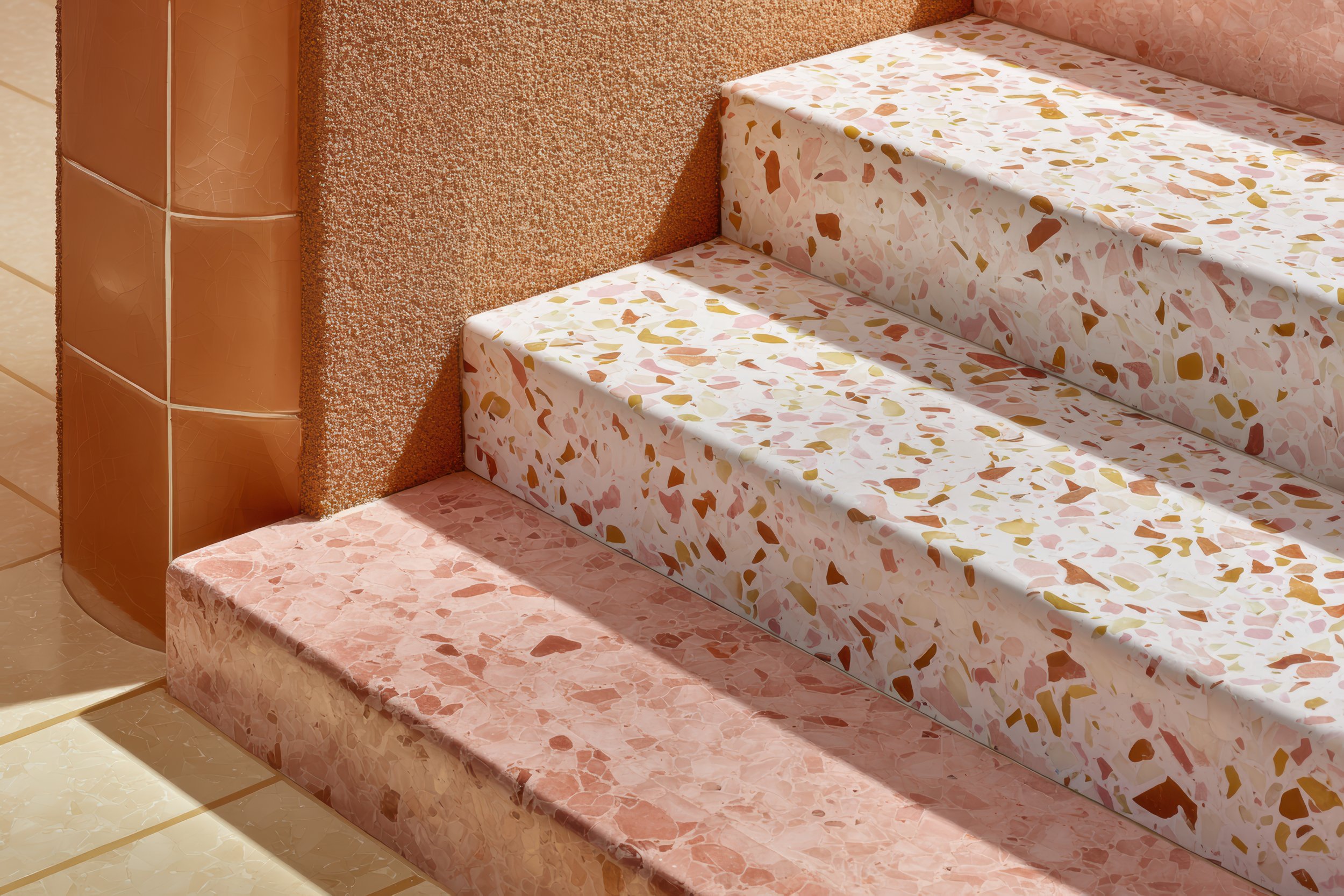
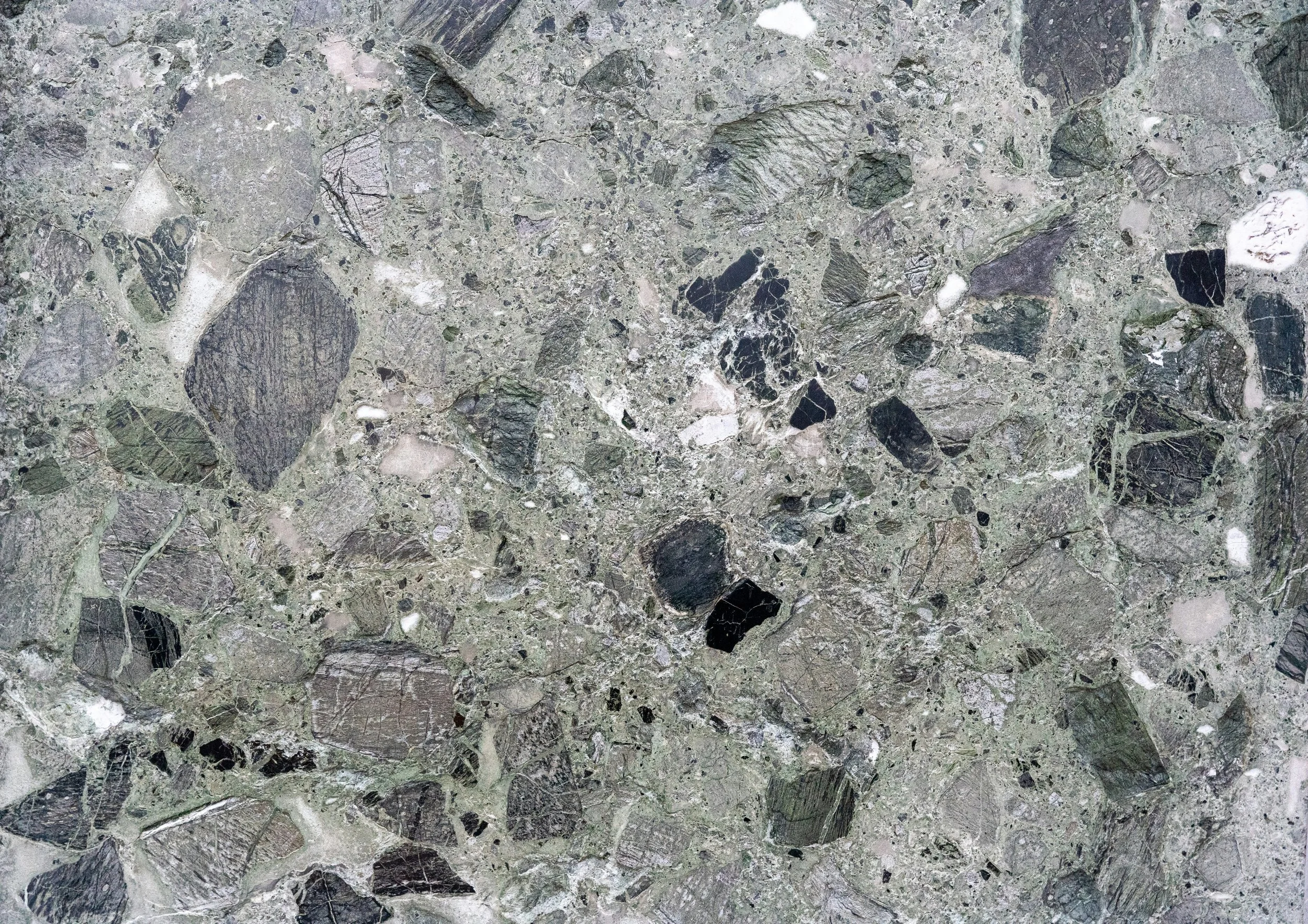
Terrazzo continues to evolve in 2026, no longer just a nostalgic nod to mid-century design, but a refined material choice for modern residential projects. It can feel bold and expressive or soft and understated, depending on the aggregate size, color palette, and scale.
Why terrazzo is trending:
Durable and long-lasting
Endless color customization
Adds pattern without relying on intense prints
Works across floors, walls, and benchtops
Terrazzo bridges the gap between minimalism and personality. It introduces movement and detail while still maintaining a clean, architectural base. This year’s terrazzo leans more curated than chaotic. Instead of highly contrasting chips, we’re seeing:
Tone-on-tone palettes
Larger, sculptural aggregate pieces
Earthy bases with warm stone fragments
Soft neutrals with subtle movement
Within the broader 2026 flooring conversation, terrazzo offers pattern and movement, but in a controlled, architectural way.
6. Sustainable & Long-Lasting Materials
At the end of the day, longevity is becoming more important than trend-driven aesthetics. In 2026, clients are asking:
How long will this flooring last?
Can it be applied over existing surfaces?
Is it low-maintenance?
Materials that are durable, easy to care for, and compatible with renovation projects — such as microcement applied over existing tile or concrete — are gaining attention.
Read More: Microcement Resurfacing
Among all materials, microcement flooring stands out as one of the most versatile and design-forward options available today. Its ability to create continuous, minimalist surfaces — while offering durability, application versatility, and design customization — makes it a top choice for modern homes.
As design continues to evolve toward architectural simplicity and material integrity, systems like X-Bond Microcement are shaping the future of interior flooring.