
A Guide to The X-Bond Microcement Finishes
From a design perspective, of most attractive features of microcement is that every surface is hand-applied. Not only does this make each project entirely unique, but it also gives clients and contractors so much design freedom — different application techniques can create entirely different visual and tactile results, while still maintaining the same durability and seamless finish. Keep reading for a comparison guide of the SEMCO X-Bond finish range.
If you’re interested in X-Bond, you can learn more about the technical benefits — including durability, resurfacing without demolition, and maintenance — on the X-Bond Microcement page.
What Determines a Microcement Finish?
Each microcement surface is developed through the way the material is hand-applied, troweled and refined. The pressure, movement and finishing techniques used by the applicator create different levels of texture, tonal variation and visual movement.
Some finishes appear almost perfectly uniform, while others embrace hand-finished variations with more pronounced texture and color shifts.

X-Bond Corsa
If you're looking for a product that looks like Venetian plaster with the strength and adhesion of of microcement, Corsa is the most versatile finish.
Its silky smooth surface is complemented by tonal variation created through delicate trowel movements. Similar to limewash, Corsa surfaces add soft depth without becoming too visually dominant.
The result is a clean architectural surface that suits almost every design style, particularly contemporary homes where simplicity and warmth are equally important.
Characteristics
Smooth, silky hand feel
Subtle tonal variation
Soft visual movement
Minimal visible texture

X-Bond Vellum
Unlike the smoother Corsa finish, Vellum is a more tactile surface. This additional texture also provides increased slip resistance, making Vellum a popular choice for microcement floors and wet areas.
Characteristics
Subtle trowel texture
Higher slip resistance
Tactile finish

X-Bond Solid
Solid is designed for projects where consistency takes priority over variation.
Rather than highlighting the natural movement created during hand application, Solid uses a specialised installation process to achieve a monotone finish with minimal variation across the entire surface. The result is a uniform appearance in a single color.
Characteristics
Uniform, monochromatic colour
Minimal variation
Lightly textured finish

X-Bond Polished
Polished delivers the greatest visual contrast within the X-Bond range.
Through an additional buffing process, the surface develops pronounced tonal variation while the texture is refined into an extra sleek, smooth finish. Light interacts differently across the finish, creating the illusion of texture despite the surface remaining smooth to the touch.
For projects seeking a dramatic architectural statement, Polished offers exceptional visual depth without introducing physical texture.
Characteristics
Smooth polished surface
Most dramatic tonal variation
High visual depth
Light-reflective finish

X-Bond Grain
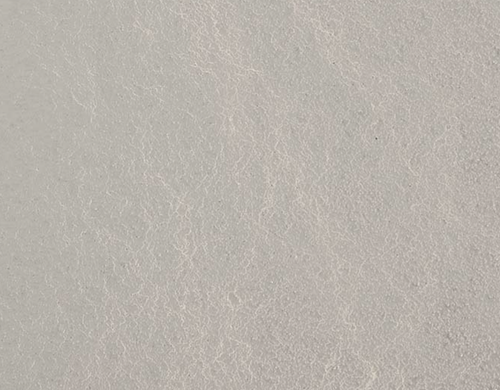
Grain is unlike any other finish in the X-Bond collection — or any other microcement for that matter.
Inspired by the natural formations found within stone, Grain features intricate vein-like patterns that create a distinctive, organic appearance. The finish remains intentionally tactile and unpolished, producing a surface rich in texture and movement.
Rather than blending quietly into a space, Grain is designed to become a feature in its own right.
Characteristics
Distinctive grain pattern
Organic stone-inspired appearance
Tactile texture
Strong visual movement
Which Microcement Finish Is Right for Your Project?
While every X-Bond finish offers the same seamless installation and durability, the final appearance can vary significantly.
| Finish | Texture | Tonal Variation | Ideal For |
|---|---|---|---|
| Corsa | Soft and smooth (feels like Venetian plaster) | Subtle | Minimalist homes, kitchens, bathrooms |
| Vellum | Tactile (feels like concrete) | Light | Wet areas, floors, commercial projects |
| Solid | Lightly textured | None | Contemporary residential and commercial interiors |
| Polished | Sleek and silky | High | Luxury interiors, feature walls, retail |
| Grain | Mineral, grainy | High | Statement walls, hospitality, architectural features |
Related Reading: How Long Does Microcement Last? Durability Explained
Texture vs Tonal Variation: What's the Difference?
Texture and tonal variation are often confused, but they describe two different characteristics.
Texture refers to the physical feel of the surface. Some finishes, like Vellum and Grain, have more noticeable trowel marks or surface texture, while Corsa and Polished are smoother to the touch — Solid is somewhere in the middle.
Tonal variation refers to the changes in color and shading across the surface. These variations are inherent to handcrafted, trowel-applied materials and contribute to the depth and character that make microcement unique.
Understanding the distinction between these two characteristics can help you choose a finish that aligns with both the look and functionality of your space.
Read Next: Color Psychology & What Your Microcement Shade Says About You

Every X-Bond Surface Is Handcrafted
No two X-Bond installations are ever identical. Because each finish is applied by hand, every project develops its own subtle movement, character and individuality. Even finishes with minimal tonal variation retain the craftsmanship that makes microcement distinct from painted or manufactured surfaces.
Whether you prefer the quiet elegance of Corsa, the tactile appeal of Vellum or the dramatic depth of Polished and Grain, each finish offers its own interpretation of seamless architectural design.