
Residential Microcement Applications: Where Can You Use X-Bond?
We get a lot of questions about where microcement can go — can it be applied indoors and out? Is it suitable for bathrooms? What about pool surrounds?
Well, all products are different, but SEMCO’s X-Bond Microcement can work in far more spaces than most people realize. In this guide, we’ll cover the most common microcement applications in the home, where it performs best, and what to consider before you choose it.
Designing a commercial space? Click here to read about microcement applications for commercial projects.
What is microcement?
Microcement (also known as micro concrete) is a thin, cement-based surface coating that’s applied by hand in layers. It can be installed over existing surfaces like tiles, concrete, plasterboard and more — creating a smooth, seamless finish with no grout lines.
It’s often chosen for homes because it offers:
A modern, architectural look
Strong wear resistance (when installed + sealed properly)
A wide range of colors and finishes
A conhesive finish across floors, walls and joinery
Microcement works across both horizontal and vertical surfaces, boasting water- and UV-resistance, which makes it ideal for creating a cohesive interior or exterior aesthetic. Below are the most popular spaces where microcement is used, and why it’s such a smart choice.

1. Microcement floors
One of the most common microcement applications is flooring.
Where it works best
Hallways
Open-plan living areas
Kitchens
Bedrooms
Laundry rooms
Gardens & outdoor pathways
Pool surrounds
Why homeowners love microcement flooring
Seamless and modern
Easy to clean (no grout lines)
Works with underfloor heating
UV resistant finish that won’t fade
Great for creating a “concrete look” without major demolition
Tip: For high-traffic areas, the sealing system and finish choice matter more than anything. A professional-grade sealer is what gives microcement its real performance.

2. Microcement walls
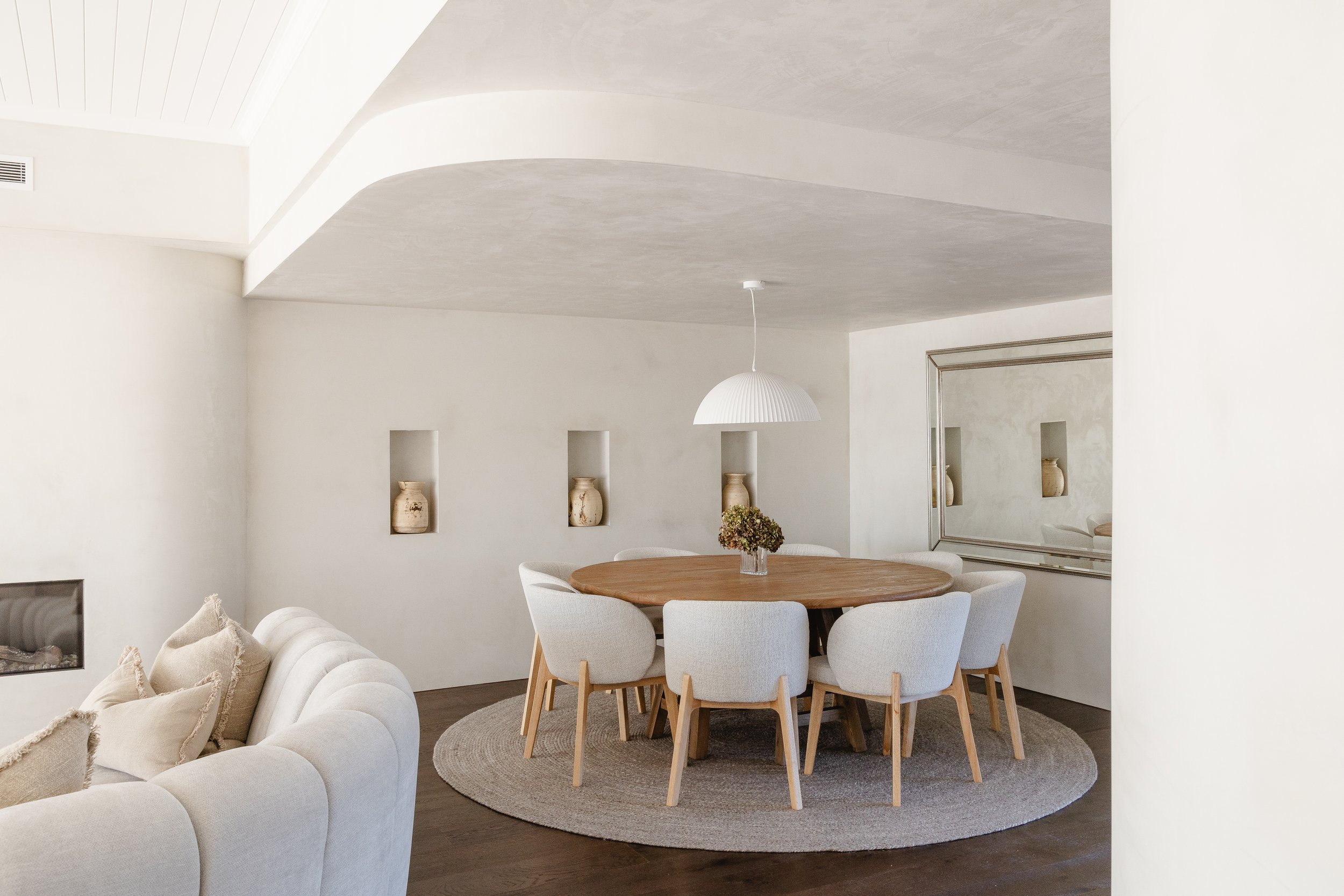
Microcement isn’t only for floors — it’s also a standout finish on vertical applications, especially in homes aiming for a refined, textured, natural look on their walls. This even includes ceilings, where applicators will hand-trowel the mixture in careful layers.
Where it’s commonly used
Feature walls in living rooms
Hallways and entryways
Behind beds (bedhead feature wall)
Stairwell walls
Fireplace surrounds (non-direct heat areas)
Facades and exterior walls
Why it works
Adds depth and texture without being busy
Creates a clean, high-end architectural finish
Looks stunning in both natural and artificial lighting
Durable finish that won’t weather or age over time
Microcement walls are a great alternative to paint when you want a finish that feels more tactile and premium.
3. Microcement bathrooms (including wet areas)
Bathrooms are one of the biggest reasons people search where to use microcement — and for good reason.
Microcement bathroom applications
Bathroom floors
Bathroom walls
Shower walls and bases
Vanity splashbacks
Bathtubs and surrounds
Why microcement is popular in bathrooms
Waterproof and stain-resistant (with correct waterproofing and sealing)
Seamless look (no grout = easier upkeep and less mold)
Great for modern, luxury finishes
Helps small bathrooms feel larger and cleaner visually
Important: Microcement itself isn’t “waterproof” — the waterproofing and sealing system is what protects the substrate and surface. This is why proper installation is critical in wet areas.

4. Microcement showers
We mentioned it above, but microcement showers deserve their own spotlight. This is one of the most in-demand applications, especially for minimalist bathroom designs.
Where it can be used
Shower walls
Shower floors (depending on finish + slip rating)
Niches and ledges
Shower benches
What to consider
Slip resistance (choose the right texture/finish)
Drainage falls need to be correct
Waterproofing must be done professionally or to exact product guidelines
If your goal is a spa-like “continuous” shower look, microcement is one of the best finishes available.

5. Microcement kitchen surfaces
In the kitchen, microcement is suitable for a number of areas, including:
Kitchen floors
Splashbacks
Feature walls
Island benches (vertical faces and horizontal countertops)
Joinery (cupboards etc.)
Can you use microcement on benchtops?
Yes — microcement benchtops are possible, but they require:
correct substrate preparation
a durable protective system
realistic expectations around wear (for example, boiling hot oil spills can penetrate the sealer if not wiped up promptly)
Microcement can be a beautiful benchtop finish, but it’s best for homeowners who love a natural, slightly imperfect aesthetic rather than something ultra-industrial and “indestructible.”
Can you use microcement on kitchen cupboard faces?
Yes — microcement can be applied to cupboard faces, including cabinet doors, drawer fronts, and side panels. It’s typically installed over a stable substrate such as MDF or other rigid cabinetry boards, with proper reinforcement and sealing to prevent movement-related cracking. Depending on the project, microcement can be applied to joinery in a workshop first, or onsite once the cabinetry is installed.

6. Microcement laundries and mudrooms
Laundries are usually forgotten or bruished aside when it comes to standout design moments in the home: but laundries and mudrooms deserve beautiful finishes too! If you want the best of both durability and beautiful styling, microcement is perfect for your floors, walls and joinery in these high-use spaces.
Why it works well
water-resistant once sealed
easy to wipe down
resistant to staining and abrasions
handles foot traffic and mess well
7. Microcement stairs
Microcement stairs create a sculptural focal point — especially in modern homes.
Where microcement can be applied
Stair treads
Stair landings
Staircase feature walls
Why it’s a popular choice
No grout lines or edges
Creates a sculptural, minimalist look
Can visually connect multiple levels of the home
Tip: Stairs need extra attention to edge durability and slip resistance — so they should always be done by a specialist.

8. Microcement fireplaces and feature zones
Microcement looks incredible around fireplaces, but it’s important to use it correctly.
Best fireplace-related uses
fireplace surrounds
feature wall behind the fireplace
hearth areas (depending on heat exposure)
Microcement can handle warmth, but direct flame/very high heat zones need careful specification.
9. Microcement in outdoor areas
The X-Bond Microcement system is suitable for outdoor residential spaces.
Possible outdoor microcement applications
garden paths and patio flooring
outdoor kitchens
pool surrounds
facades
flat rooftops
Why X-Bond is popular outside
withstands UV exposure
resists cracking with climate expansion/contraction
high slip resistance
durability of compatible waterproofing + sealers
Read More: Is Microcement The Future of Outdoor Living?

Where NOT to use microcement (or where to be cautious)
Microcement is versatile, but there are certain situations where it may not be the best option without the right prep.
Be cautious with:
unstable substrates (movement can cause cracking)
DIY installations in wet areas
areas exposed to harsh chemicals
poorly prepared existing tile surfaces
The biggest factor in microcement performance is always preparation and sealing.
Why microcement is ideal for residential design
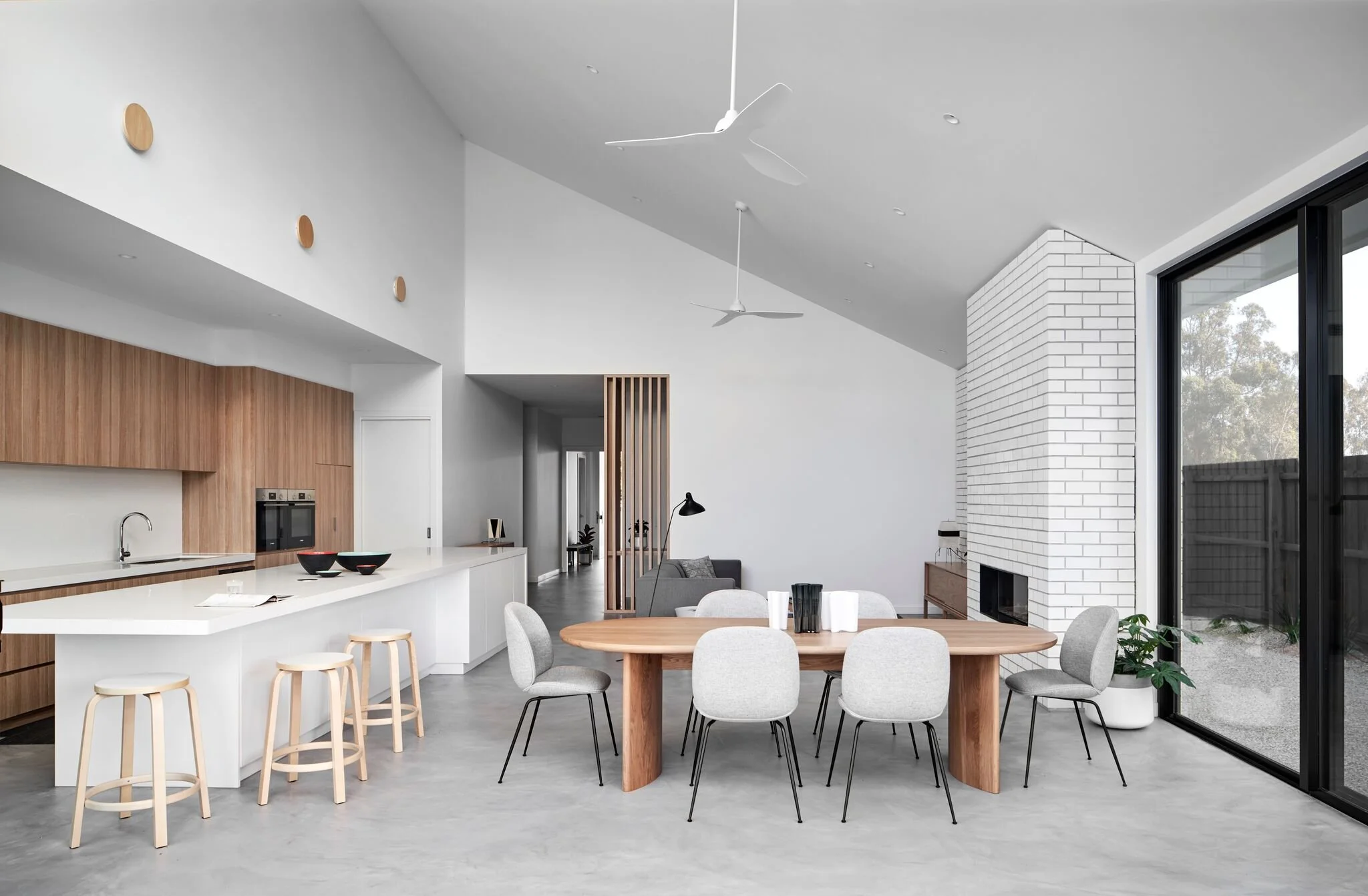
If you love cohesive, minimal interiors, microcement is one of the few finishes that can flow through multiple rooms without visual breaks.
A full microcement home can include:
continuous flooring
matching walls
joinery sculpted from the same finish
seamless, grout-free bathrooms
consistent tone and texture throughout
a high-end “architectural” feel without heavy structural renovation
When deciding where to use microcement in a home, think about the spaces where you’ll benefit most from:
seamless surfaces
easy cleaning
modern natural texture
continuity between rooms
The best microcement applications are typically floors, bathrooms and showers, feature walls, kitchens and statement staircases — but the possibilities are endless.
If your goal is an elevated finish that feels modern but warm, microcement can be one of the most flexible finishes to design with.
Next up: our article on microcement trends and inspiration gallery.