
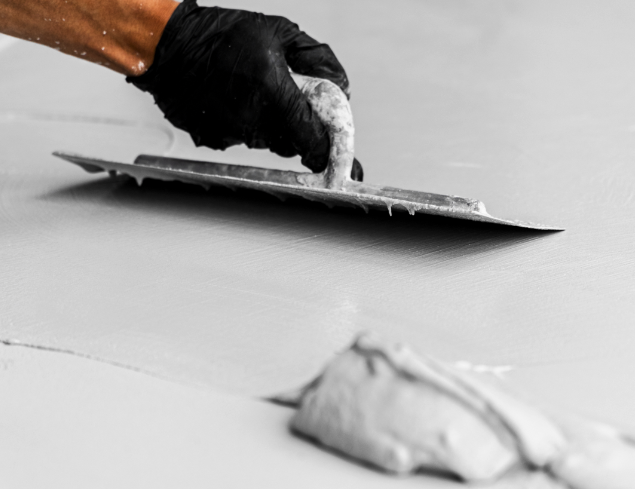
Microcement Substrate Applications
What Surfaces Can Microcement Be Applied To?
Unlike traditional finishes that require demolition or substrate replacement, microcement can be applied directly over many existing surfaces — saving time, cost, and disruption. However, just because microcement can go over almost anything, that doesn’t mean it should.
Because it’s a thin, bonded finish, it relies entirely on the substrate underneath. Done right, you can apply it over tiles, concrete, timber, and more without demolition. Done wrong, and any movement or failure below will show through.
So instead of asking “can it go over this?”, the better question is: is this surface stable, sound, and properly prepared? Here’s what to know for each common substrate.
Read Next: SEMCO X-Bond: The USA’s Leading Premium Microcement
Can Microcement Be Applied Over Tiles?
Yes — this is one of the most common applications.
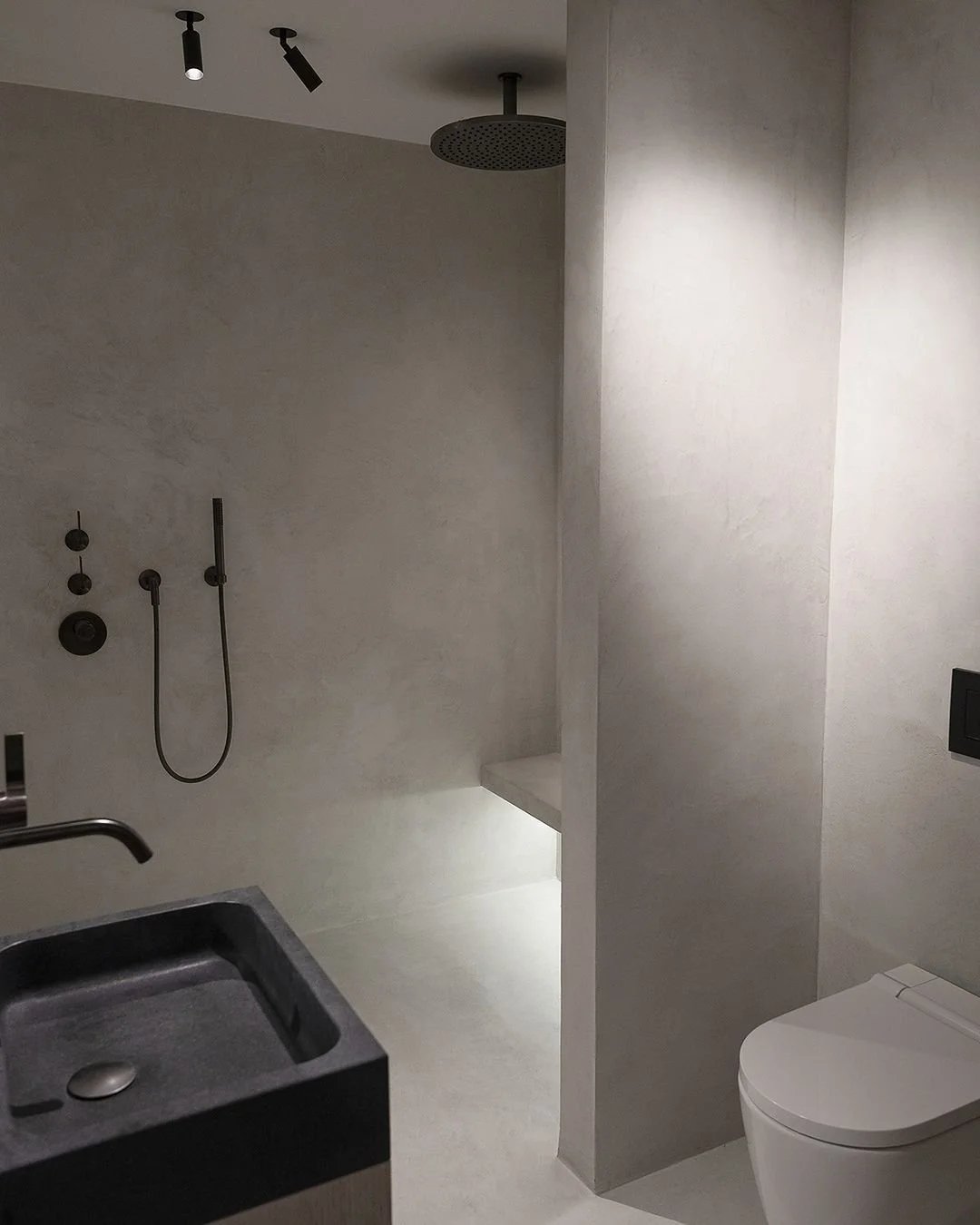
Microcement can be applied directly over existing tiles without removing them, making it ideal for renovations. For suitability in wet areas like showers and kitchens, the X-Bond system includes a waterproofing membrane.
Why it works:
Strong adhesion with the right prep work
Seamless finish eliminates grout lines
Minimal thickness (X-Bond is 1/8”) to avoid too much height buildup
What to check first:
Tiles must be firmly bonded (no movement or hollow spots)
Grout lines will need levelling
Surface must be clean and degreased
Best for:
Bathrooms
Kitchens
Floors and walls
Can Microcement Be Applied Over Concrete?
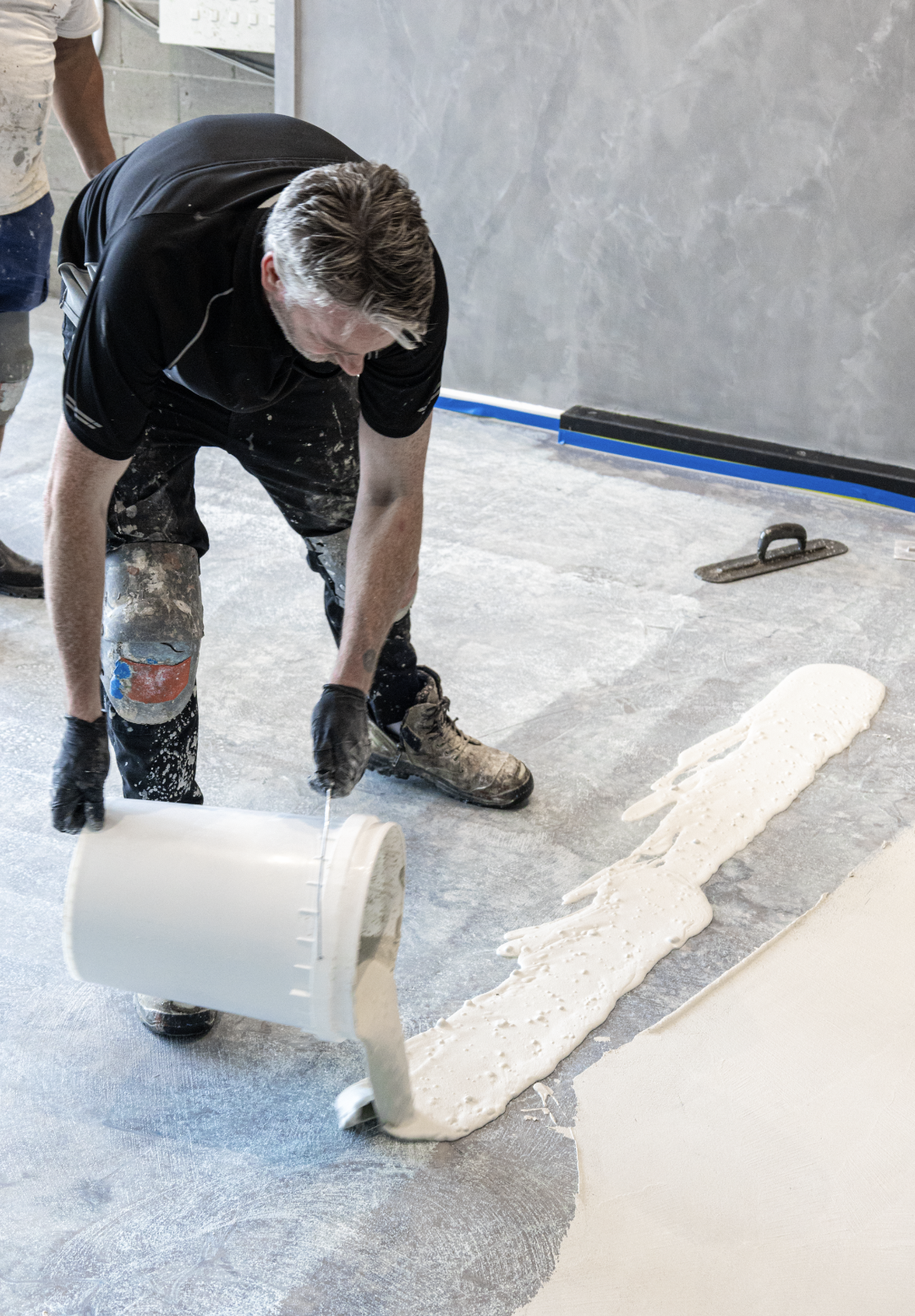
Yes — concrete is one of the most compatible substrates for microcement.
Concrete provides a stable, level, durable base that works well with microcement systems.
Why it works:
Excellent structural stability
Strong mechanical bond
Less prep needed
Ideal for both interior and exterior use
What to check first:
No active cracks or significant substrate movement
Proper curing (new concrete must be fully cured)
Surface may need grinding or priming
Best for:
Floors
Outdoor areas
Commercial spaces

Can Microcement Be Applied Over Timber?
Yes — but with caution.
MDF is the most suitable base for customer microcement joinery, but timber floorboards are a flexible substrate. This means movement must be controlled before applying the microcement. Usually, this involves reinforcement measures such as cement board sheets or fibreglass mesh systems (for walls/low movement areas).
Why it can work:
Reinforcement systems can reduce movement impact
Lightweight nature of microcement suits vertical timber surfaces
What to check first:
Timber must be stable and well-fixed
Expansion and contraction must be managed
A reinforced base system is essential
Best for:
Cabinetry/joinery
Feature walls
Low-movement surfaces
Read More: Microcement Resurfacing Q&A

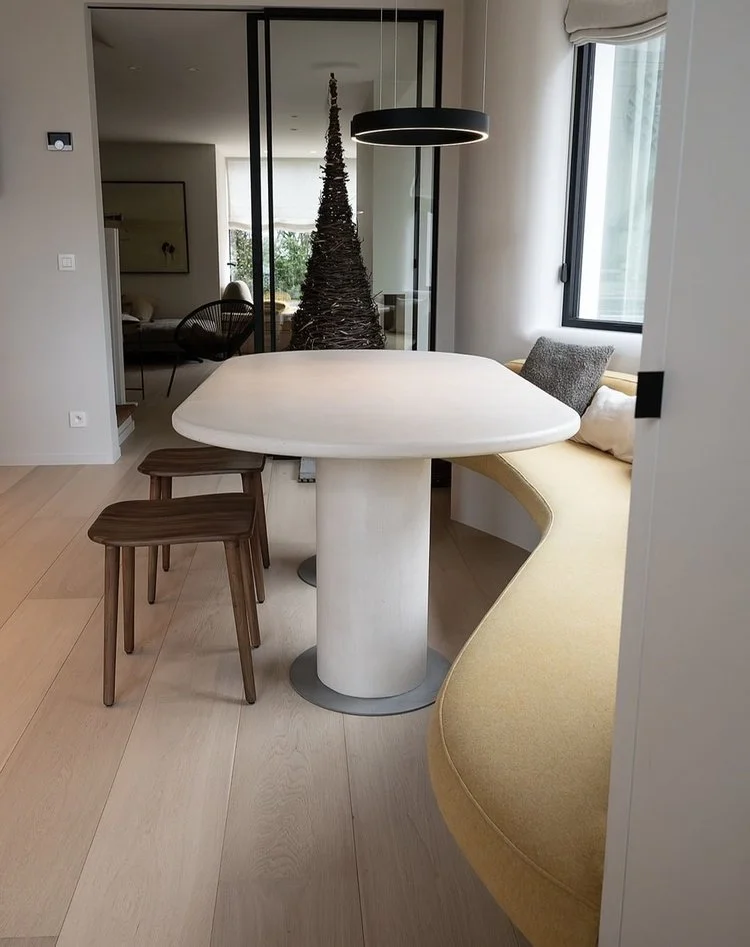
Can Microcement Be Applied Over Drywall?
Yes — commonly used for walls and ceilings.
Drywall is a smooth, stable surface that works well when properly prepared.
Why it works:
Even surface for consistent finish
Easy to prep
Suitable for decorative applications
What to check first:
Joints must be properly taped and finished
Surface must be rigid (no flex)
Waterproofing required in wet areas
Best for:
Interior walls
Ceilings
Decorative finishes
Read more about how microcement adhesion works.


Can Microcement Be Applied Over Existing Coatings?
Sometimes — depending on the condition.
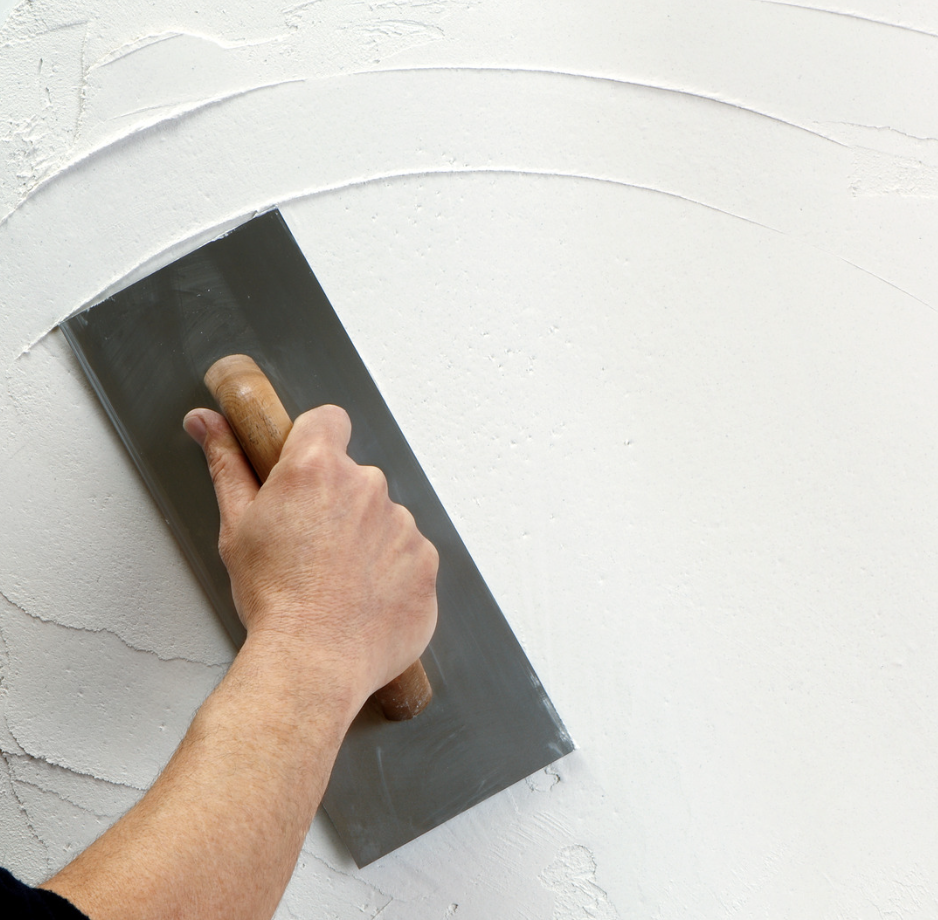
Microcement can be applied over certain coatings like paint, epoxy, or render, but only if the existing layer is stable and correctly prepped.
Why it can work:
Saves removal time
Maintains substrate integrity
What to check first:
Coating must be well-adhered (no peeling or flaking)
Surface must be properly sanded or keyed
Incompatible coatings may need removal
Best for:
Previously painted walls
Renovation projects with sound existing finishes
When Should You NOT Apply Microcement?
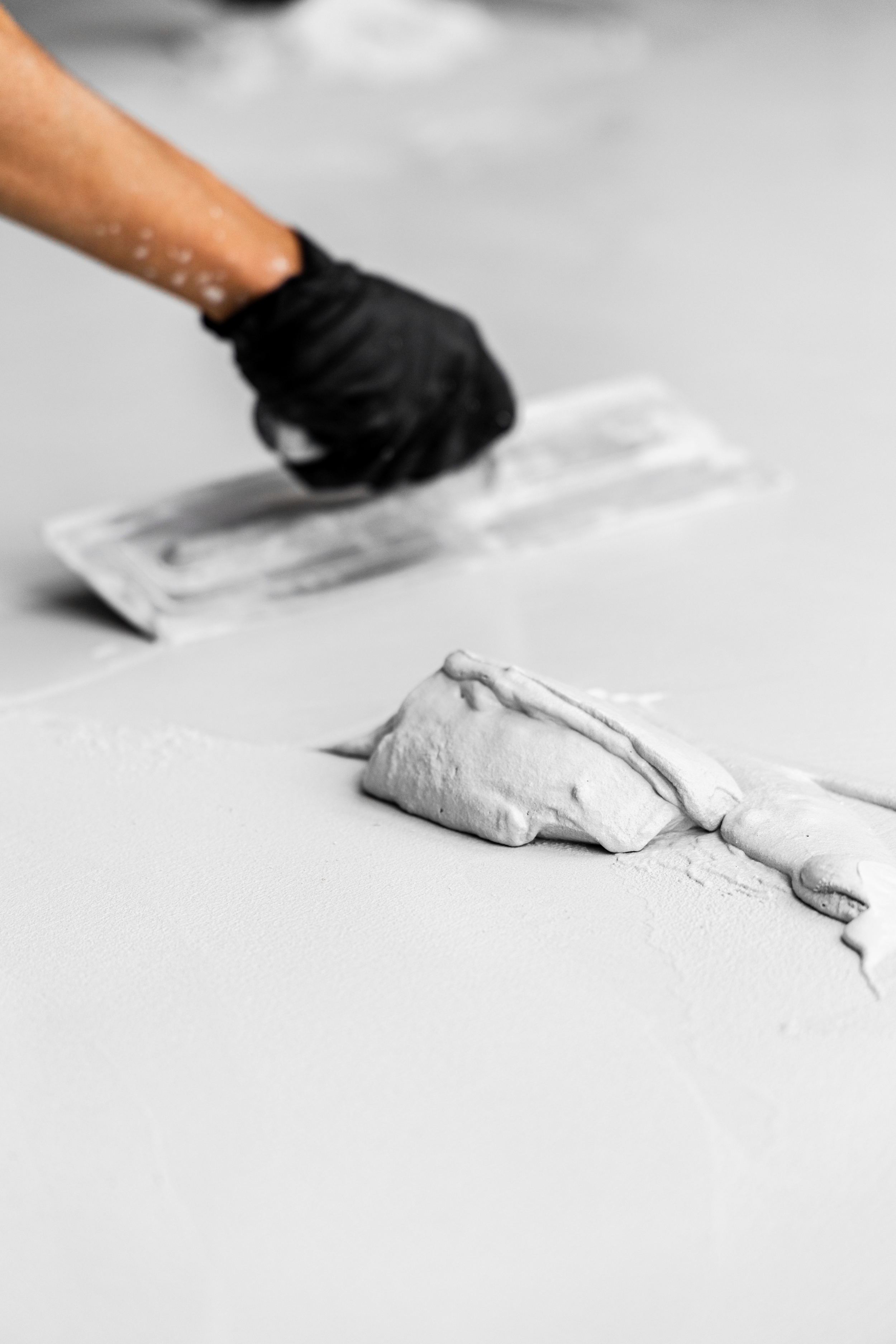
While microcement is highly versatile, there are situations where it should not be applied — or requires additional assessment on a case by case basis.
Avoid or reassess if:
The substrate is unstable or moving signficiantly
There are active structural cracks
The surface is contaminated (oil, moisture, dust)
The base is poorly bonded or deteriorating
Waterproofing is required but not properly installed
Important: Microcement is only as strong as the surface beneath it. Applying it over a failing substrate will lead to failure, regardless of product quality.
Microcement can be applied to a wide range of surfaces — including tiles, concrete, timber, plasterboard, existing coatings and drywall — making it one of the most flexible finishing systems available.
However, success depends on:
Proper surface preparation
Substrate stability
Using the correct system for each application
When these factors are addressed, microcement delivers a seamless, durable finish across almost any space.